Chemical Exfoliation
Also known as: Chemical peel, acid exfoliation, AHA exfoliant, BHA exfoliant, PHA, glycolic acid, fruit acid peel
Chemical exfoliation dissolves dead skin cells with acids such as AHA, BHA or PHA instead of grains. Skin becomes smoother, more even and more radiant, and pores look finer – when dosed correctly, without friction or micro-tears.
Contents
What is chemical exfoliation?
Chemical exfoliation removes dead skin cells not by rubbing but by using acids to loosen the bonds between the cells. The top layer comes away evenly, without grains and without the micro-tears that coarse scrubs can cause. “Chemical” sounds harsh – but it usually means mild, well-researched acids in toners, serums or pads for at-home use.
The three main acid groups
- AHA (alpha hydroxy acids): water-soluble and work on the skin’s surface. They include glycolic acid (smallest molecule, strongest effect), lactic acid (milder, also hydrating) and mandelic acid (large molecule, gentle). Ideal for dull skin, dark spots and fine lines.
- BHA (salicylic acid): oil-soluble and penetrates into the pores. The first choice for oily skin, blackheads and breakouts.
- PHA (polyhydroxy acids) such as gluconolactone and lactobionic acid: large molecules that absorb slowly. They exfoliate very gently, bind moisture and suit sensitive and dry skin.
There are also enzyme exfoliants (for example from papaya or rice) that gently break down the protein bonds between skin cells.
Which exfoliant suits you?
- Oily, blackheads, breakouts: BHA
- Dull, dark spots, first lines: AHA such as glycolic or lactic acid
- Sensitive or dry: PHA, lactic acid or enzymes
- Combination skin: BHA on the T-zone, PHA on the cheeks
How to exfoliate properly
- Start slowly: Once or twice a week in the evening, after cleansing, on dry skin.
- Don’t mix: On exfoliation evenings, no retinol, no retinal and no physical scrubs.
- Care: Follow with soothing, hydrating care containing ceramides or panthenol.
- Protect: Acids make your skin more sensitive to light – always use sunscreen in the morning.
- Listen to your skin: A slight tingle is normal. Stinging, strong redness or flaking mean: take a break and exfoliate less often.
Strong peels with high concentrations or a low pH belong in a dermatology practice or a beauty salon.
Korean acid exfoliants
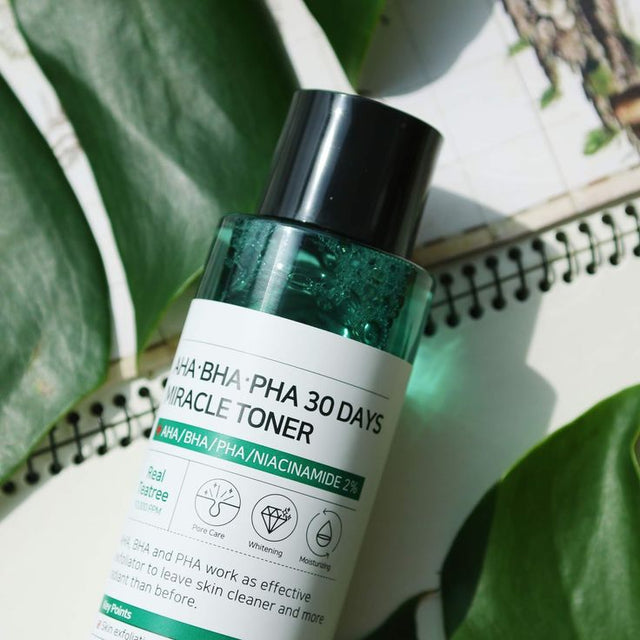
From our range: the BHA Blackhead Power Liquid by COSRX, the BHA 2% Gentle Exfoliating Toner by Anua, the AHA, BHA, PHA 30 Days Miracle Toner by SOME BY MI, the Eraser Shot Glycolic Acid Booster by Arencia and the Heartleaf BHA Peeling Pads by celimax. You’ll find all exfoliants in our Korean exfoliators collection.
What does the research say?
Hydroxy acids are among the best-studied cosmetic actives. A review describes how they promote cell renewal and improve skin texture (Kornhauser et al., Clinical, Cosmetic and Investigational Dermatology, 2010). PHAs are particularly well tolerated and also suit sensitive skin (Grimes et al., Cutis, 2004).
Frequently asked questions
How often should I chemically exfoliate?
Can I use AHA and BHA together?
Can I combine chemical exfoliants and retinol?
Is chemical exfoliation OK in summer?
Popular products
-
BHA Blackhead Power Liquid

 Vendor:BHA Blackhead Power LiquidCOSRX
- Regular price
-
CHF 12.41 - Sale price
-
CHF 12.41 - Translation missing: en.products.product.price.compare_at_price
-
instead of
CHF 19.40
-
BHA 2% Gentle Exfoliating Toner

 Vendor:BHA 2% Gentle Exfoliating TonerAnua
- Regular price
-
CHF 19.01 - Sale price
-
CHF 19.01 - Translation missing: en.products.product.price.compare_at_price
-
instead of
CHF 24.90
-
AHA, BHA, PHA 30 Days Miracle Toner

 Vendor:AHA, BHA, PHA 30 Days Miracle TonerSOME BY MI
- Regular price
-
CHF 12.78 - Sale price
-
CHF 12.78 - Translation missing: en.products.product.price.compare_at_price
-
instead of
CHF 20.00
-
Eraser Shot Glycolic Acid Booster

 Vendor:Eraser Shot Glycolic Acid BoosterArencia
- Regular price
-
CHF 19.01 - Sale price
-
CHF 19.01 - Translation missing: en.products.product.price.compare_at_price
-
instead of
CHF 29.80
-
JIWOOGAE Heartleaf BHA Peeling Pad

 Vendor:JIWOOGAE Heartleaf BHA Peeling Padcelimax
- Regular price
-
CHF 12.37 - Sale price
-
CHF 12.37 - Translation missing: en.products.product.price.compare_at_price
-
instead of
CHF 19.40
-
Zero Pore Pad 2.0 - 70 pads
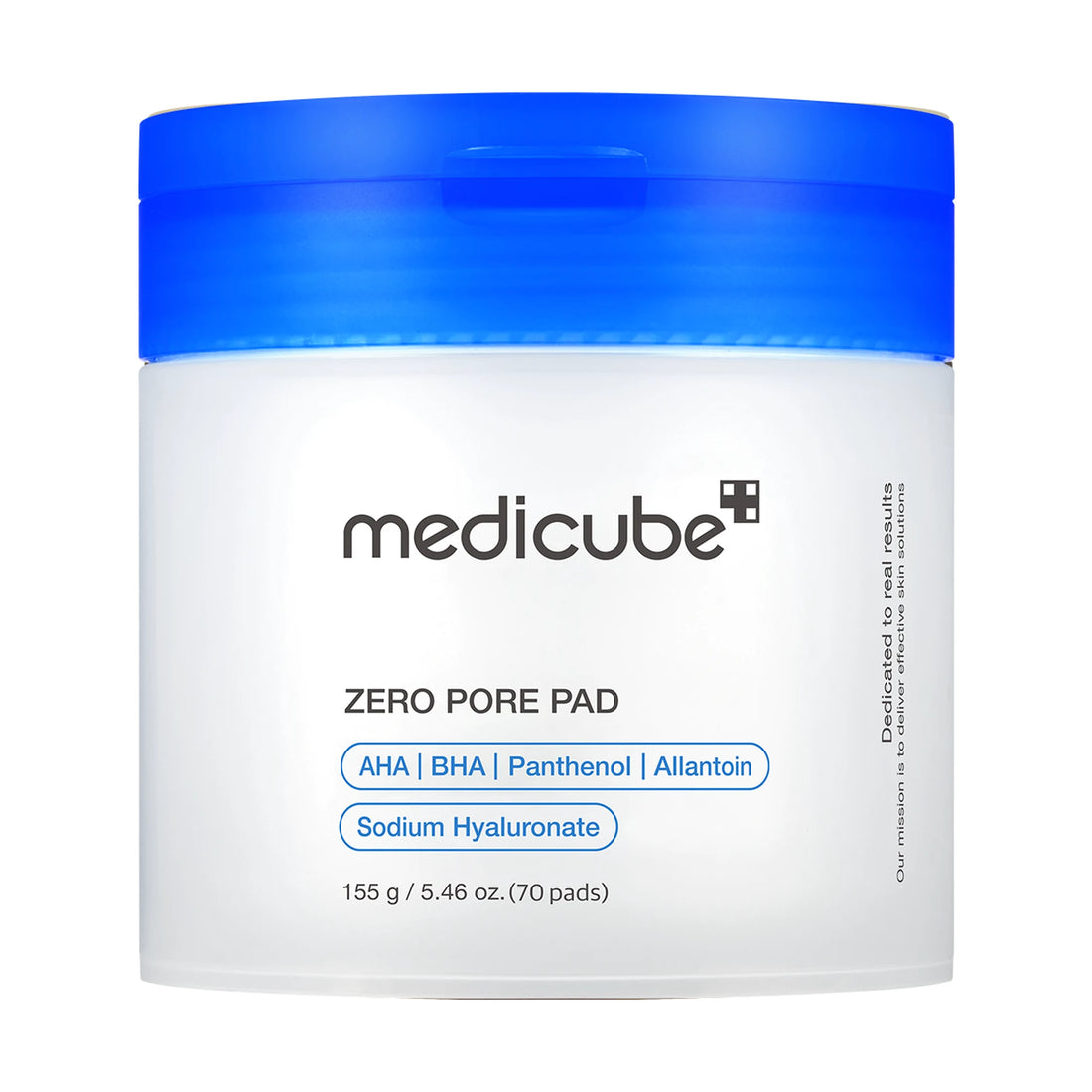
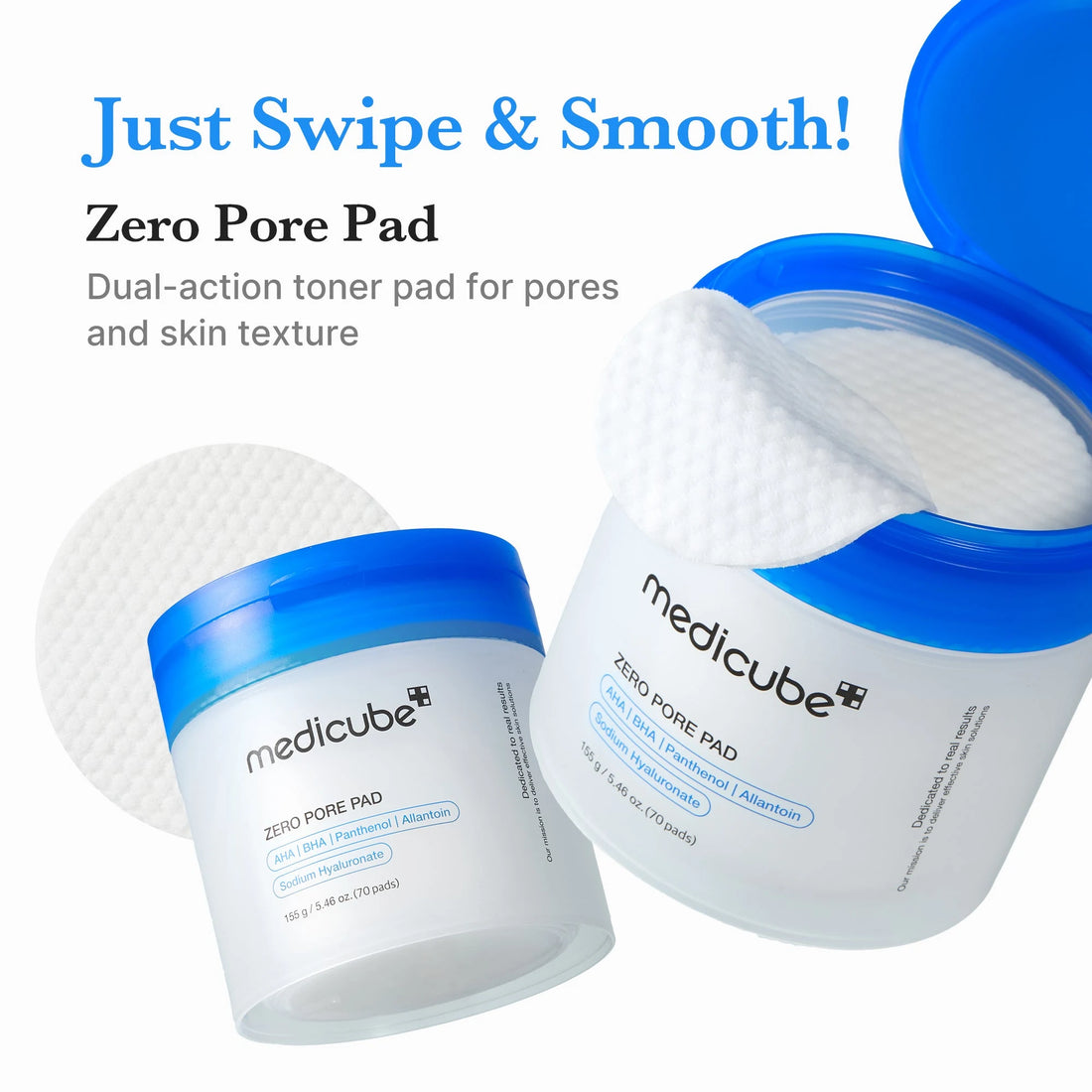 Vendor:Zero Pore Pad 2.0 - 70 padsmedicube
- Regular price
-
CHF 15.94 - Sale price
-
CHF 15.94 - Translation missing: en.products.product.price.compare_at_price
-
instead of
CHF 19.90
-
Deep Vita C Pad

 Vendor:Deep Vita C Padmedicube
- Regular price
-
CHF 24.82 - Sale price
-
CHF 24.82 - Translation missing: en.products.product.price.compare_at_price
-
instead of
CHF 38.90
-
Hypochlorous Acid Peel Shot

 Vendor:Hypochlorous Acid Peel Shotmedicube
- Regular price
-
CHF 20.67 - Sale price
-
CHF 20.67 - Translation missing: en.products.product.price.compare_at_price
-
instead of
CHF 32.40


Read more on our blog
See also
- AHAAHA stands for alpha hydroxy acids, also known as fruit acids. They loosen dead skin cells from the surface...→
- BHABHA stands for beta hydroxy acid – in skincare almost always salicylic acid. It is oil-soluble, penetrates ...→
- Lactic AcidLactic acid is a gentle AHA. It loosens dead skin cells, smooths skin texture and hydrates at the same time...→
- BlackheadsBlackheads are pores clogged with sebum and dead skin cells. Open blackheads look dark because the sebum ox...→
- SunscreenSunscreen protects your skin from UV rays and is the single most important anti-ageing step. Korean sunscre...→
- TonerA toner is a watery product applied after cleansing. In a Korean routine, its main job is to hydrate and pr...→
Chemical Exfoliation in your routine
Discover all 39 products in «Korean Facial Peels» – 100% authentic, shipped from Lucerne.