Blackheads
Also known as: Comedones, whiteheads, clogged pores
Blackheads are pores clogged with sebum and dead skin cells. Open blackheads look dark because the sebum oxidises in the air. Salicylic acid, double cleansing and patience help most.
Contents
What are blackheads?
Blackheads – the medical term is comedones – are pores clogged with sebum and dead skin cells. They mainly form where the skin produces a lot of sebum: on the nose, chin and forehead, the so-called T-zone. There are two types:
- Open comedones (blackheads): the pore is open, and the plug of sebum oxidises in the air and turns dark. Dirt isn’t the cause.
- Closed comedones (whiteheads): the pore is covered by a thin layer of skin, so the plug stays light. Spots can develop from them.
Blackheads or sebaceous filaments?
Many small grey dots on the nose aren’t blackheads at all but sebaceous filaments. They are a normal part of the skin, channel sebum to the surface and fill up again within a few weeks after squeezing. You can’t remove sebaceous filaments permanently, but the right care makes them less noticeable.
What causes blackheads?
- lots of sebum, for example due to hormones, genetics or oily skin
- clogged pores, when dead skin cells aren’t shed properly
- products that are too rich and make-up that isn’t removed thoroughly
- squeezing and rubbing, which irritates the skin
What helps against blackheads?
- Double cleansing: a cleansing oil or cleansing balm dissolves sebum and sunscreen, then a gentle foam cleanses again.
- BHA: salicylic acid is oil-soluble, penetrates the pore and dissolves the plug from within. Start with two to three applications a week.
- Soften sebum: apply a sebum softener to your nose for a few minutes. It softens the plugs, which you can then gently massage away.
- Niacinamide: regulates sebum production and makes pores look finer.
- Don’t forget moisture: oily skin needs hydration too. A light gel cream keeps the skin barrier balanced.
Please don’t squeeze: with your fingers you often push sebum and bacteria deeper into the skin. This can cause inflammation, enlarged pores and scars. Stubborn blackheads are best removed by a beautician.
Blackheads in Korean skincare
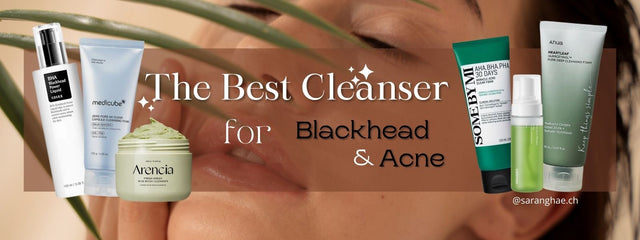
In K-beauty, blackheads are treated with gentle, regular care rather than harsh scrubs. From our range: the BHA Blackhead Power Liquid from COSRX, the Derma Nature Fresh Blackhead Jojoba Cleansing Oil from celimax, the Bye Bye Blackhead Bubble Cleanser from SOME BY MI, the Blackhead Melting Softener Set from Jumiso, the Super Melting Sebum Softener Set from ilso and the Zero Pore Blackhead Mud Mask from medicube. You’ll find more products under Oil control & pores.
What does the research say?
Salicylic acid has been one of the standard ingredients against blackheads for decades. A review describes how, thanks to its oil solubility, it works particularly well against open and closed comedones (Arif, Clinical, Cosmetic and Investigational Dermatology, 2015).
Frequently asked questions
How do I get rid of blackheads on my nose?
Are blackheads caused by poor hygiene?
Do pore strips help against blackheads?
Are blackheads and spots the same thing?
Popular products
-
BHA Blackhead Power Liquid

 Vendor:BHA Blackhead Power LiquidCOSRX
- Regular price
-
CHF 12.41 - Sale price
-
CHF 12.41 - Translation missing: en.products.product.price.compare_at_price
-
instead of
CHF 19.40
-
Derma Nature Fresh Blackhead Jojoba Cleansing Oil

 Vendor:Derma Nature Fresh Blackhead Jojoba Cleansing Oilcelimax
- Regular price
-
CHF 15.69 - Sale price
-
CHF 15.69 - Translation missing: en.products.product.price.compare_at_price
-
instead of
CHF 24.60
-
Bye Bye Blackhead 30 Days Miracle Green Tea Tox Bubble Cleanser

 Vendor:Bye Bye Blackhead 30 Days Miracle Green Tea Tox Bubble CleanserSOME BY MI
- Regular price
-
CHF 16.52 - Sale price
-
CHF 16.52 - Translation missing: en.products.product.price.compare_at_price
-
instead of
CHF 25.90
-
Blackhead Melting Softener & Cotton Pad Set

 Vendor:Blackhead Melting Softener & Cotton Pad SetJumiso
- Regular price
-
CHF 20.67 - Sale price
-
CHF 20.67 - Translation missing: en.products.product.price.compare_at_price
-
instead of
CHF 32.40
-
Super Melting Sebum Softener Special Set

 Vendor:Super Melting Sebum Softener Special Setilso
- Regular price
-
CHF 24.82 - Sale price
-
CHF 24.82 - Translation missing: en.products.product.price.compare_at_price
-
instead of
CHF 38.90
-
Zero Pore Blackhead Mud Mask

 Vendor:Zero Pore Blackhead Mud Maskmedicube
- Regular price
-
CHF 24.90 - Sale price
-
CHF 24.90 - Translation missing: en.products.product.price.compare_at_price
-
instead of
CHF 32.40
-
AHA, BHA, PHA 30 Days Miracle Toner

 Vendor:AHA, BHA, PHA 30 Days Miracle TonerSOME BY MI
- Regular price
-
CHF 12.78 - Sale price
-
CHF 12.78 - Translation missing: en.products.product.price.compare_at_price
-
instead of
CHF 20.00
-
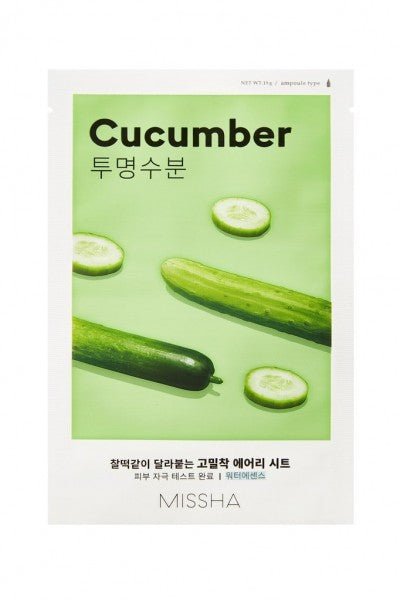
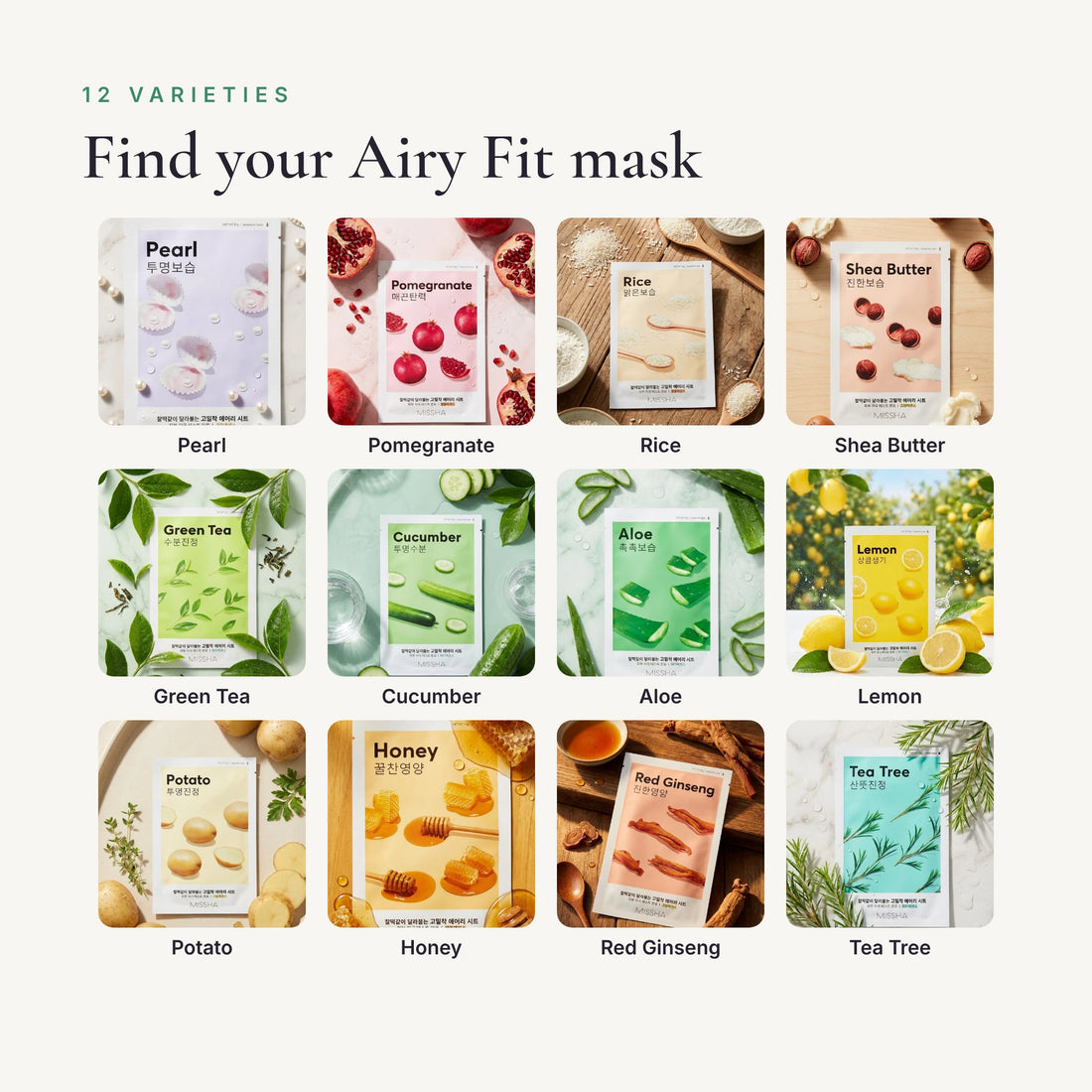
Airy Fit Sheet Masks - All Variations
 Vendor:Airy Fit Sheet Masks - All VariationsMISSHA
- Regular price
-
From
CHF 1.20 - Sale price
-
From
CHF 1.20 - Translation missing: en.products.product.price.compare_at_price
-
instead of
CHF 1.90


Read more on our blog
See also
- BHABHA stands for beta hydroxy acid – in skincare almost always salicylic acid. It is oil-soluble, penetrates ...→
- Double CleansingDouble cleansing is Korea’s two-step face cleanse: first a cleansing oil or balm dissolves make-up, sunscre...→
- Cleansing BalmA cleansing balm is a solid oil-based cleanser that melts as you massage it in, dissolving make-up, sunscre...→
- NiacinamideNiacinamide is a form of vitamin B3 and one of the most versatile skincare ingredients. It refines pores, r...→
- Pimple PatchPimple patches are small hydrocolloid stickers for individual spots. They absorb fluid, protect the spot fr...→
Blackheads in your routine
Discover all 320 products in «Korean Skincare for Oily Skin & Pores» – 100% authentic, shipped from Lucerne.