Lactic Acid
Also known as: Milchsäure, AHA
Lactic acid is a gentle AHA. It loosens dead skin cells, smooths skin texture and hydrates at the same time – ideal for beginners and dry skin.
Contents
What is lactic acid?
Lactic acid is one of the alpha hydroxy acids, or AHA for short. It forms during fermentation, for example in yoghurt or sauerkraut, and for cosmetics it is usually produced by fermenting sugar. Your skin knows lactic acid well: its salt, sodium lactate, is part of the skin’s natural moisturising factor.
How does lactic acid work on the skin?
- Gentle exfoliation: lactic acid loosens the bonds between dead skin cells so they shed more easily.
- Smoother, brighter skin: rough patches, blackheads and a dull complexion visibly improve.
- Hydration: unlike many other acids, lactic acid also binds moisture.
- More even tone: used regularly, it helps fade dark spots and post-acne marks.
Lactic, glycolic or mandelic acid?
Glycolic acid is the smallest AHA; it penetrates fastest and works most strongly – but is also more likely to irritate. Lactic acid is slightly larger and therefore gentler. Mandelic acid is milder still. That’s why lactic acid is often the first choice for beginners, dry and sensitive skin.
Which skin types is lactic acid suitable for?
- dry, rough skin with flakiness
- dull skin and combination skin with blackheads
- AHA beginners and skin that doesn’t tolerate glycolic acid well
- for very sensitive skin or rosacea, only with caution and at a low concentration
How to use lactic acid
- Start with 2 to 3 evenings a week – after cleansing and before serum and cream.
- If your skin tolerates the acid well, you can increase slowly.
- Follow with a soothing moisturiser.
- Always wear sunscreen during the day – AHAs make the skin more sensitive to light.
What can you combine lactic acid with?
- Hyaluronic acid and ceramides counteract dryness
- Niacinamide supports an even skin tone
- Take care with retinol and BHA: use them on different evenings so as not to overload your skin.
Lactic acid in Korean skincare
Korean products often combine lactic acid with other acids. Examples from our range: the Chestnut AHA 8 Clear Essence by Isntree with 4% glycolic and 4% lactic acid, the AHA Aqua Peeling Boosting Ampoule by Centellian24, the Zero Pore One Day Peptide Serum by medicube, and the Glutathiosome Dark Spot Pad Vita Touch by Abib and 2% Salicylic Acid Clear Pad by Dr. Althea. You’ll find more products in our AHA skincare collection.
What does the research say?
In one study, a lotion with 12% lactic acid improved skin firmness and smoothness as well as the appearance of fine lines. It thickened both the epidermis and the dermis, while a 5% lotion acted mainly on the epidermis (Smith, Journal of the American Academy of Dermatology, 1996).
Frequently asked questions
Is lactic acid suitable for sensitive skin?
Can I use lactic acid and retinol together?
Do I need sunscreen after using lactic acid?
Popular products
-
Chestnut AHA 8 Clear Essence
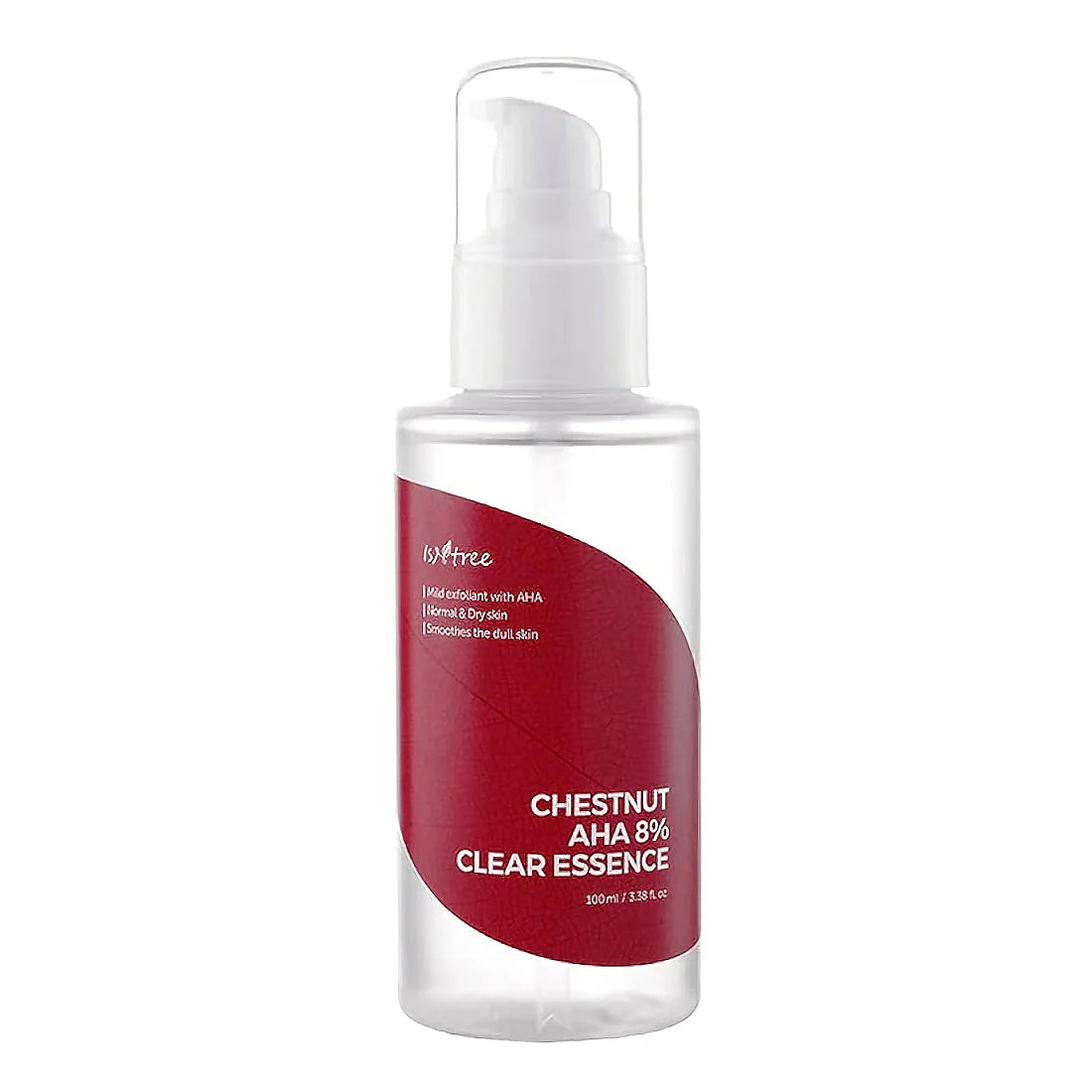
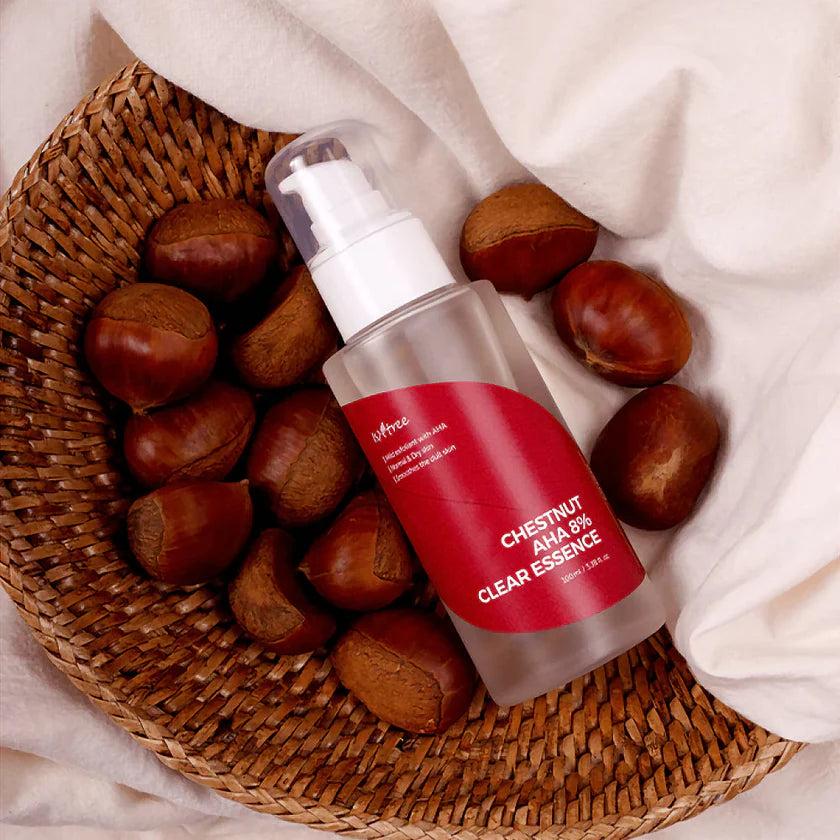 Vendor:Chestnut AHA 8 Clear EssenceIsntree
- Regular price
-
CHF 16.52 - Sale price
-
CHF 16.52 - Translation missing: en.products.product.price.compare_at_price
-
instead of
CHF 14.70
-
AHA Aqua Peeling Boosting Ampoule

 Vendor:AHA Aqua Peeling Boosting AmpouleCentellian24
- Regular price
-
CHF 24.82 - Sale price
-
CHF 24.82 - Translation missing: en.products.product.price.compare_at_price
-
instead of
CHF 38.90
-
Zero Pore One Day Peptide Serum
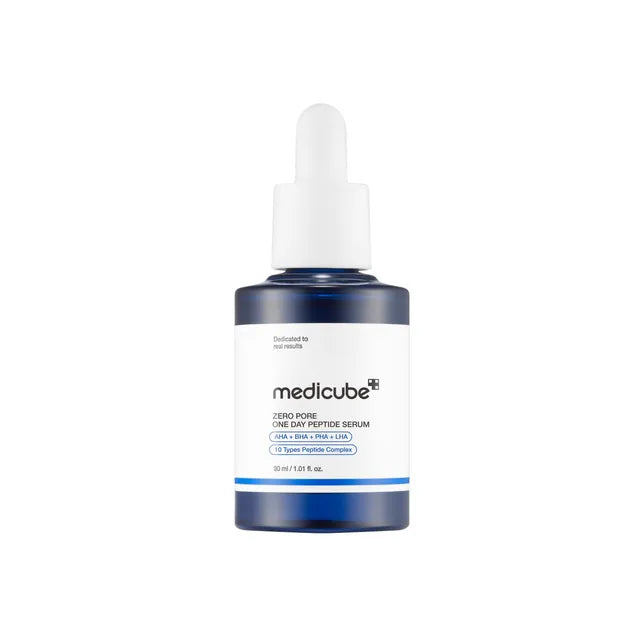
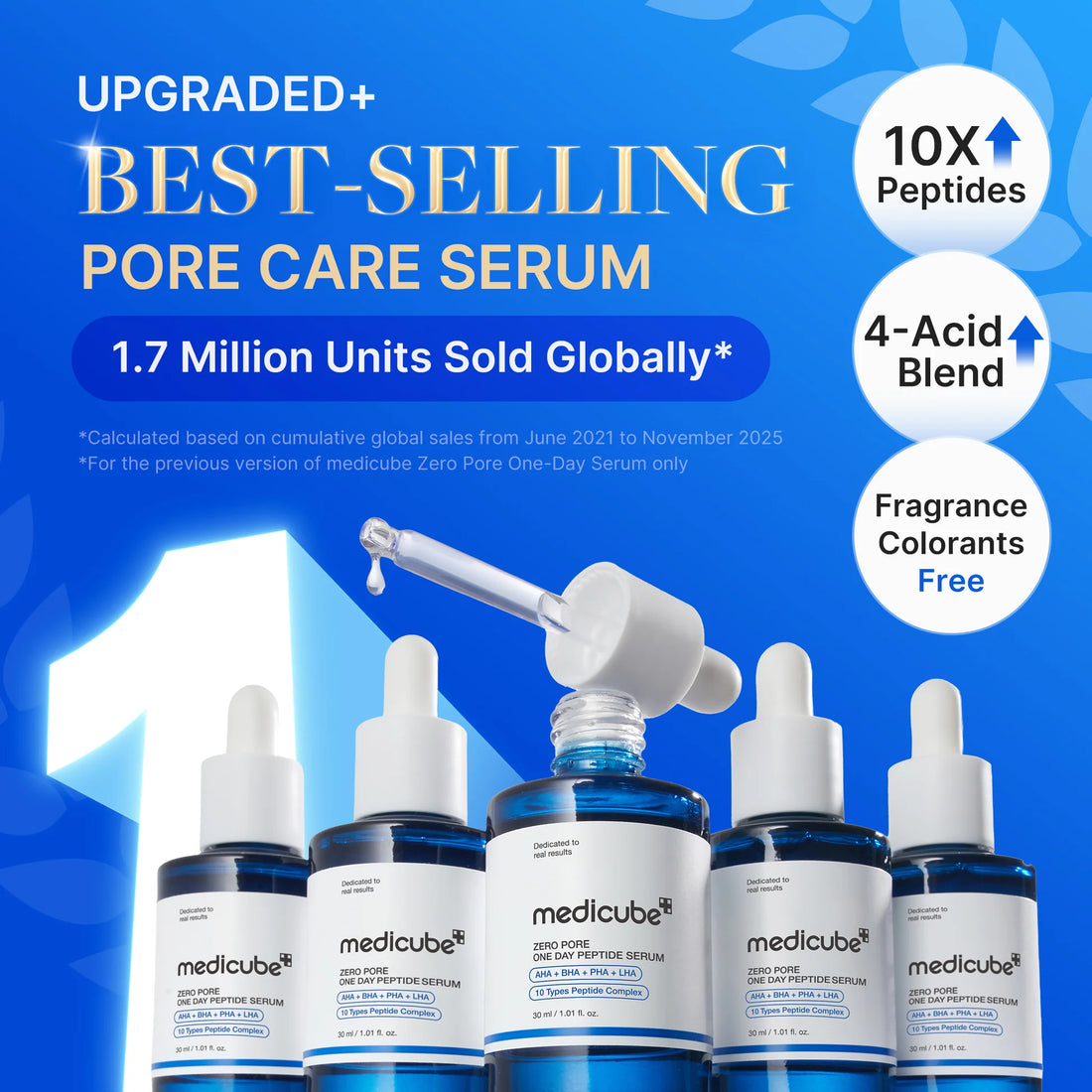 Vendor:Zero Pore One Day Peptide Serummedicube
- Regular price
-
CHF 16.52 - Sale price
-
CHF 16.52 - Translation missing: en.products.product.price.compare_at_price
-
instead of
CHF 20.65
-
Glutathiosome Dark Spot Pad Vita Touch

 Vendor:Glutathiosome Dark Spot Pad Vita TouchAbib
- Regular price
-
CHF 16.52 - Sale price
-
CHF 16.52 - Translation missing: en.products.product.price.compare_at_price
-
instead of
CHF 27.20
-
2% Salicylic Acid Clear Pads

 Vendor:2% Salicylic Acid Clear PadsDr. Althea
- Regular price
-
CHF 19.75 - Sale price
-
CHF 19.75 - Translation missing: en.products.product.price.compare_at_price
-
instead of
CHF 30.90
-
Red Acne Body Wash

 Vendor:Red Acne Body Washmedicube
- Regular price
-
CHF 24.82 - Sale price
-
CHF 24.82 - Translation missing: en.products.product.price.compare_at_price
-
instead of
CHF 38.90
-
Zero Pore Pad 2.0 - 70 pads
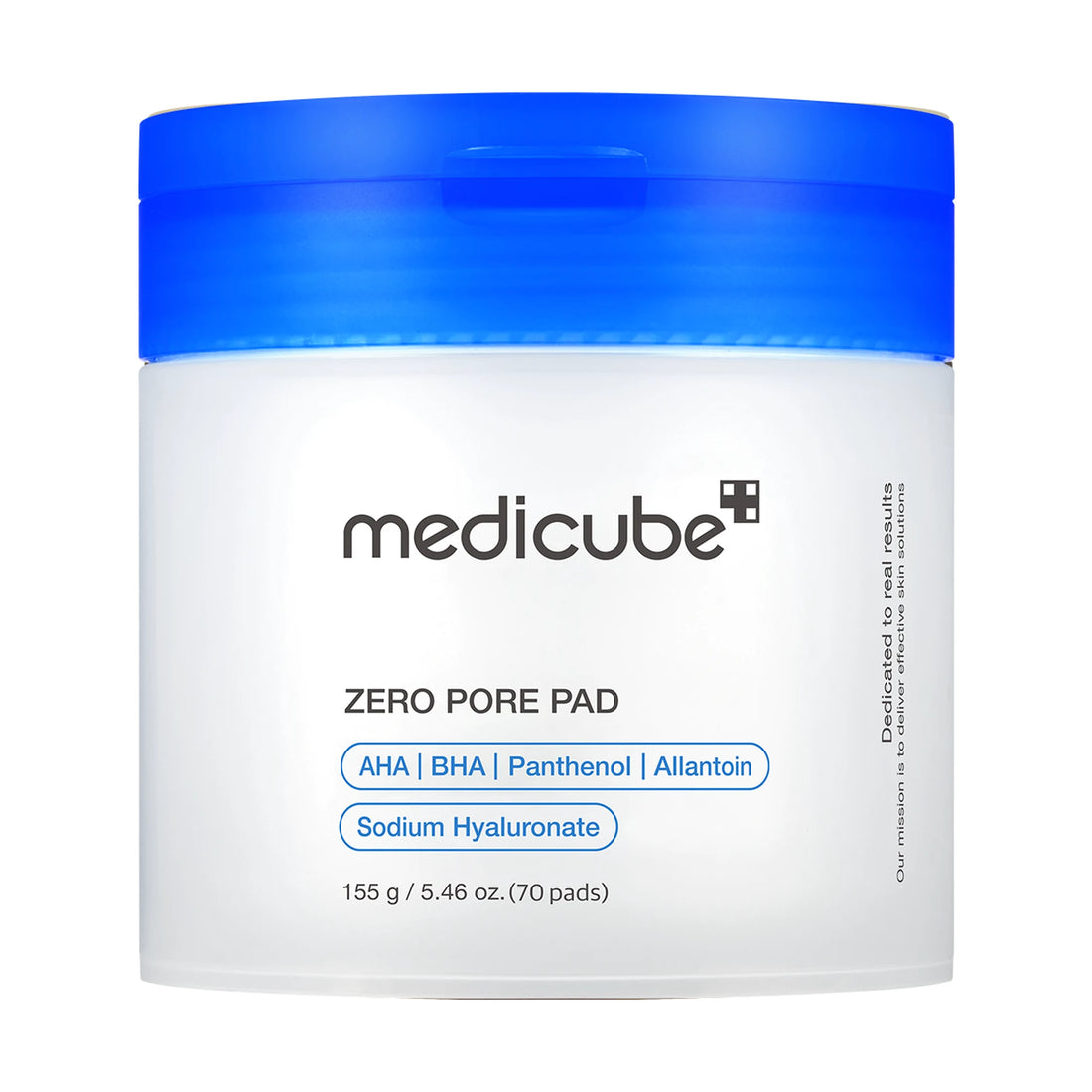
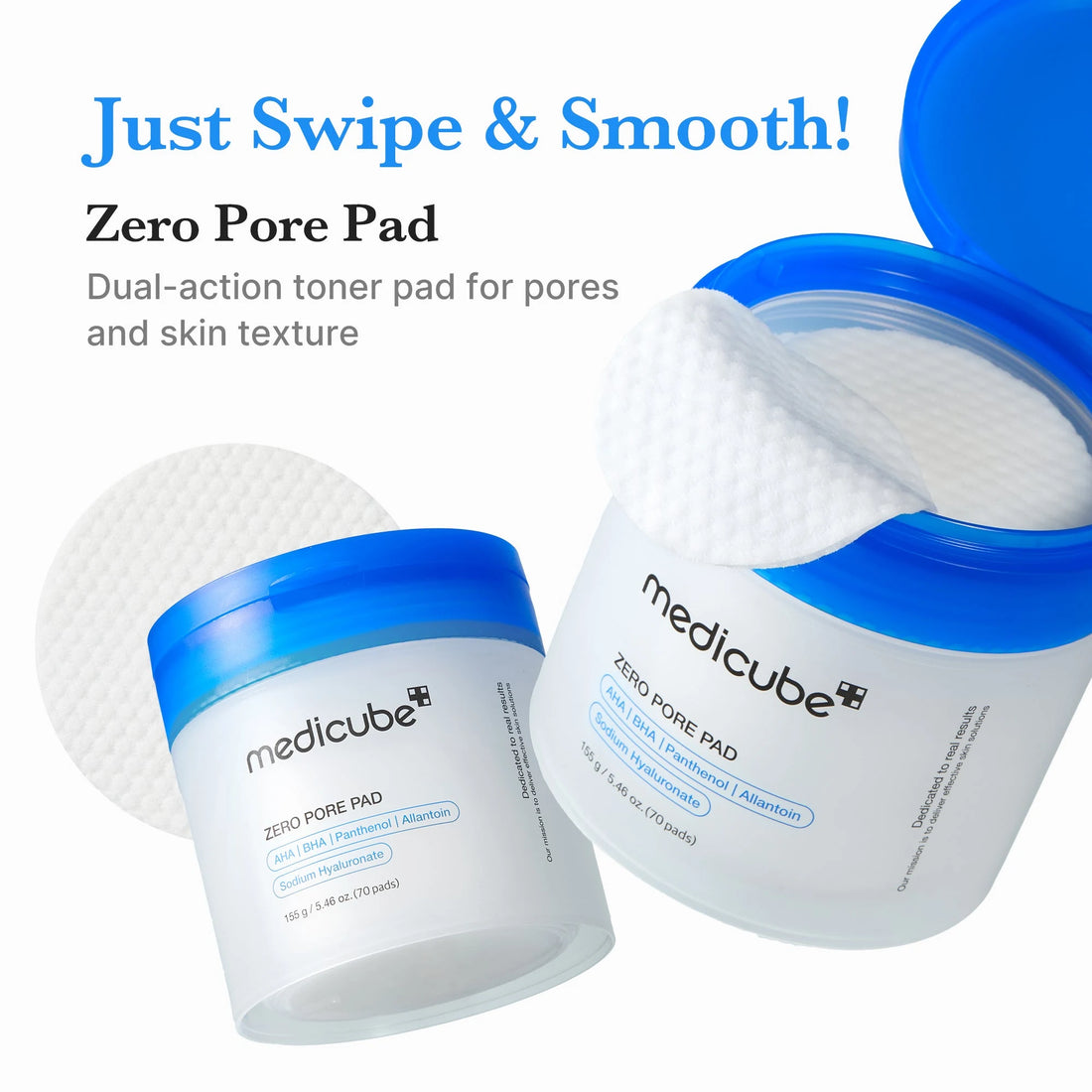 Vendor:Zero Pore Pad 2.0 - 70 padsmedicube
- Regular price
-
CHF 15.94 - Sale price
-
CHF 15.94 - Translation missing: en.products.product.price.compare_at_price
-
instead of
CHF 19.90
-
Zero Pore Blackhead Mud Mask

 Vendor:Zero Pore Blackhead Mud Maskmedicube
- Regular price
-
CHF 24.90 - Sale price
-
CHF 24.90 - Translation missing: en.products.product.price.compare_at_price
-
instead of
CHF 32.40


See also
- AHAAHA stands for alpha hydroxy acids, also known as fruit acids. They loosen dead skin cells from the surface...→
- BHABHA stands for beta hydroxy acid – in skincare almost always salicylic acid. It is oil-soluble, penetrates ...→
- TonerA toner is a watery product applied after cleansing. In a Korean routine, its main job is to hydrate and pr...→
- Hyaluronic AcidHyaluronic acid is the body’s own moisture reservoir and can bind large amounts of water. In skincare it pl...→
Lactic Acid in your routine
Discover all 64 products in «Korean AHA Skincare» – 100% authentic, shipped from Lucerne.