PHA
Also known as: Polyhydroxy acids, gluconolactone, lactobionic acid, PHA exfoliant
PHAs (polyhydroxy acids) such as gluconolactone and lactobionic acid are the gentlest exfoliating acids. They smooth the skin’s surface, hydrate at the same time and barely sting – ideal for sensitive skin and exfoliation beginners.
Contents
What are PHAs?
PHAs (polyhydroxy acids) are the gentlest members of the exfoliating acid family. The best known are gluconolactone and lactobionic acid. Chemically they are related to AHAs, but they have several hydroxyl groups and a much larger molecule.
How do PHAs work on the skin?
- Gentle exfoliation: PHAs loosen the bonds between dead skin cells on the surface. Skin becomes smoother, more even and more radiant.
- Hydration: thanks to their many hydroxyl groups, PHAs attract water – they exfoliate and hydrate at the same time.
- Antioxidant: PHAs can neutralize free radicals and so help protect the skin from oxidative stress.
- Slower but milder: because the large molecule penetrates the skin slowly, PHAs work less intensely than AHAs – but they hardly burn or sting.
Are PHAs well tolerated?
PHAs are considered the best-tolerated exfoliating acids and suit sensitive and dry skin as well as anyone trying a chemical exfoliant for the first time. Still, start with two to three times a week and build up slowly. Daily sunscreen is part of every routine with acids.
How to combine PHAs
- Great with: niacinamide, hyaluronic acid, ceramides, panthenol and Centella Asiatica.
- In a blend: many Korean products combine PHA with AHA and BHA, so even more sensitive skin can benefit from an acid mix.
- Careful with: retinol or other strong exfoliants on the same evening.
Gentle PHA toners and pads can be used daily if your skin tolerates them well; exfoliating serums and wash-off peels less often.
PHAs in Korean skincare
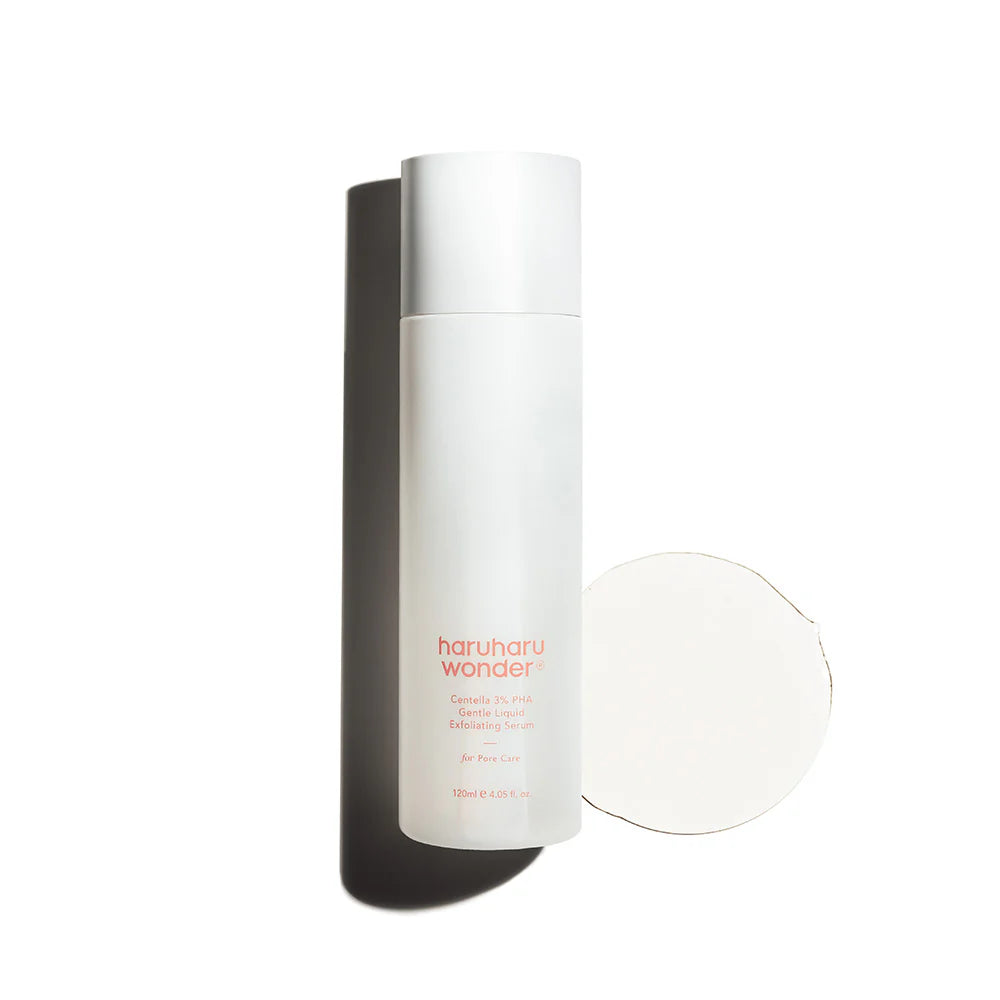
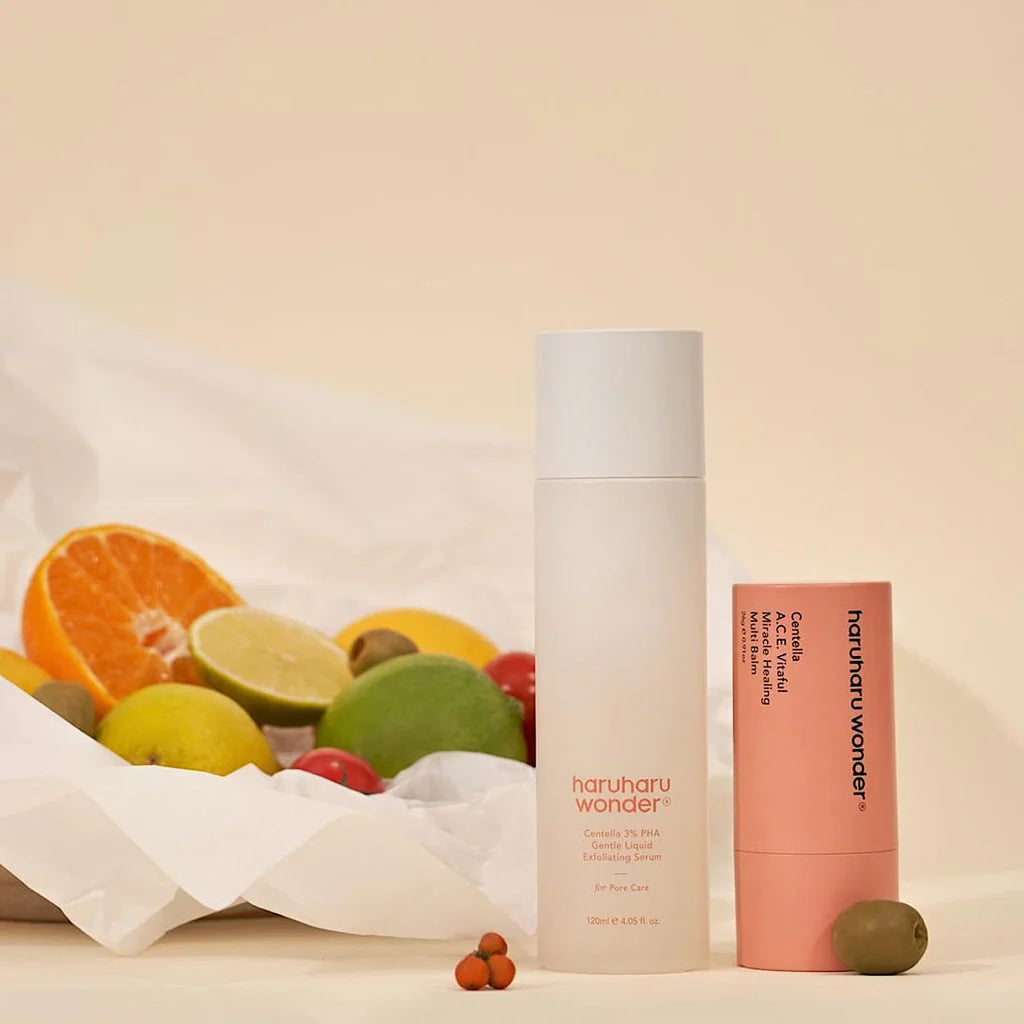
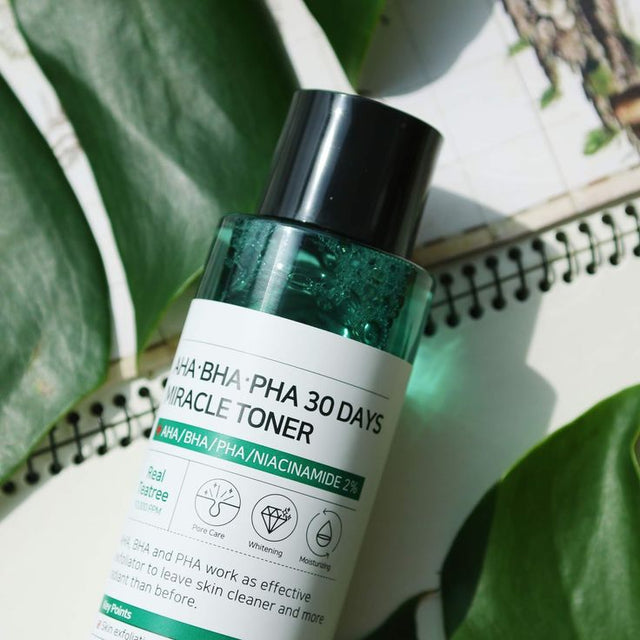
Korean brands love using PHAs in toners, serums and pads. Favorites include the PHA Resurfacing Glow Peel from AXIS-Y with 10% gluconolactone, the Centella 3% PHA Gentle Liquid Exfoliating Serum from Haruharu Wonder and the Skin Refining Mild PHA Toner from Biodance. Pads such as the Rapid Mild Acid Rescue Pore Pad from Dr. Althea or the AHA BHA PHA 30 Days Miracle Truecica Clear Pad from SOME BY MI are especially handy. In medicube’s Zero Pore One Day Serum, gluconolactone is second on the INCI list. You’ll find all products in our PHA skincare collection.
What does the research say?
A review summarizes studies showing that PHAs such as gluconolactone and lactobionic acid deliver anti-aging effects similar to AHAs while causing less burning and stinging and being tolerated by sensitive skin. They also have antioxidant properties (Grimes et al., Cutis, 2004). The underlying studies were supported by a PHA manufacturer.
Frequently asked questions
What’s the difference between AHA and PHA?
Can I use PHAs every day?
Are PHAs suitable for sensitive skin?
Do PHAs help with blackheads?
Popular products
-
PHA Resurfacing Glow Peel

 Vendor:PHA Resurfacing Glow PeelAXIS-Y
- Regular price
-
CHF 13.18 - Sale price
-
CHF 13.18 - Translation missing: en.products.product.price.compare_at_price
-
instead of
CHF 22.00
-
Centella 3% PHA Gentle Liquid Exfoliating Serum
 Vendor:Centella 3% PHA Gentle Liquid Exfoliating SerumHaruharu Wonder
- Regular price
-
CHF 12.79 - Sale price
-
CHF 12.79 - Translation missing: en.products.product.price.compare_at_price
-
instead of
CHF 21.30
-
Skin Refining Mild PHA Toner
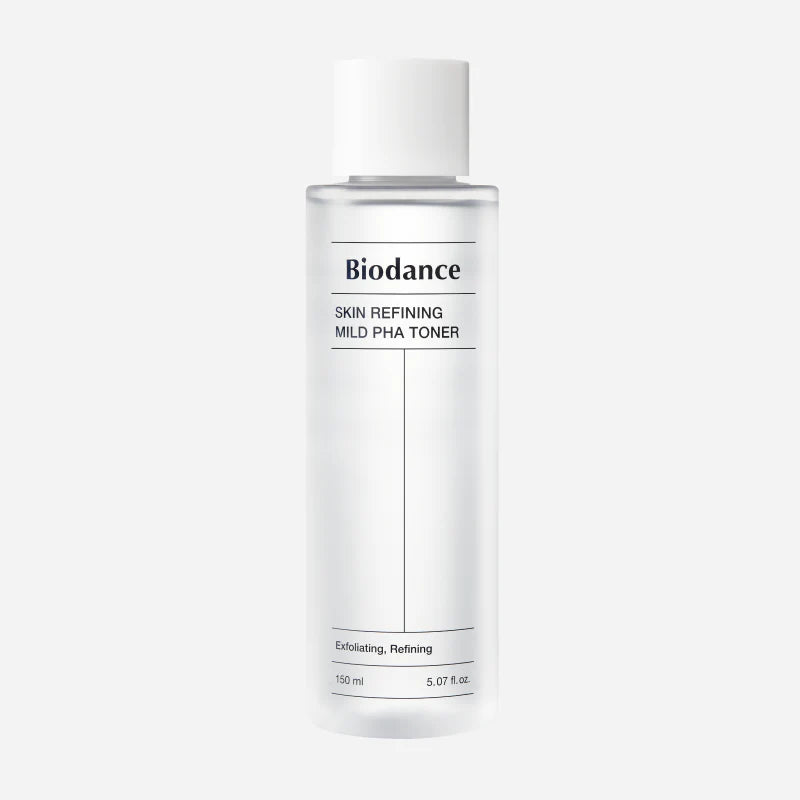
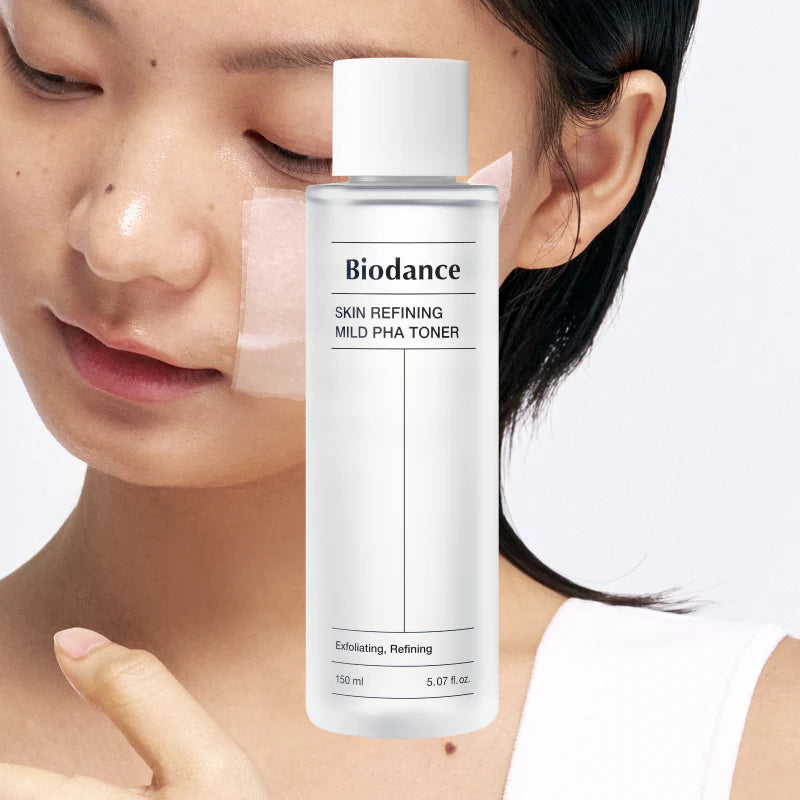 Vendor:Skin Refining Mild PHA TonerBiodance
- Regular price
-
CHF 15.52 - Sale price
-
CHF 15.52 - Translation missing: en.products.product.price.compare_at_price
-
instead of
CHF 25.90
-
Zero Pore One Day Serum

 Vendor:Zero Pore One Day Serummedicube
- Regular price
-
CHF 23.32 - Sale price
-
CHF 23.32 - Translation missing: en.products.product.price.compare_at_price
-
instead of
CHF 38.90
-
Rapid Mild Acid Rescue Pore Pad
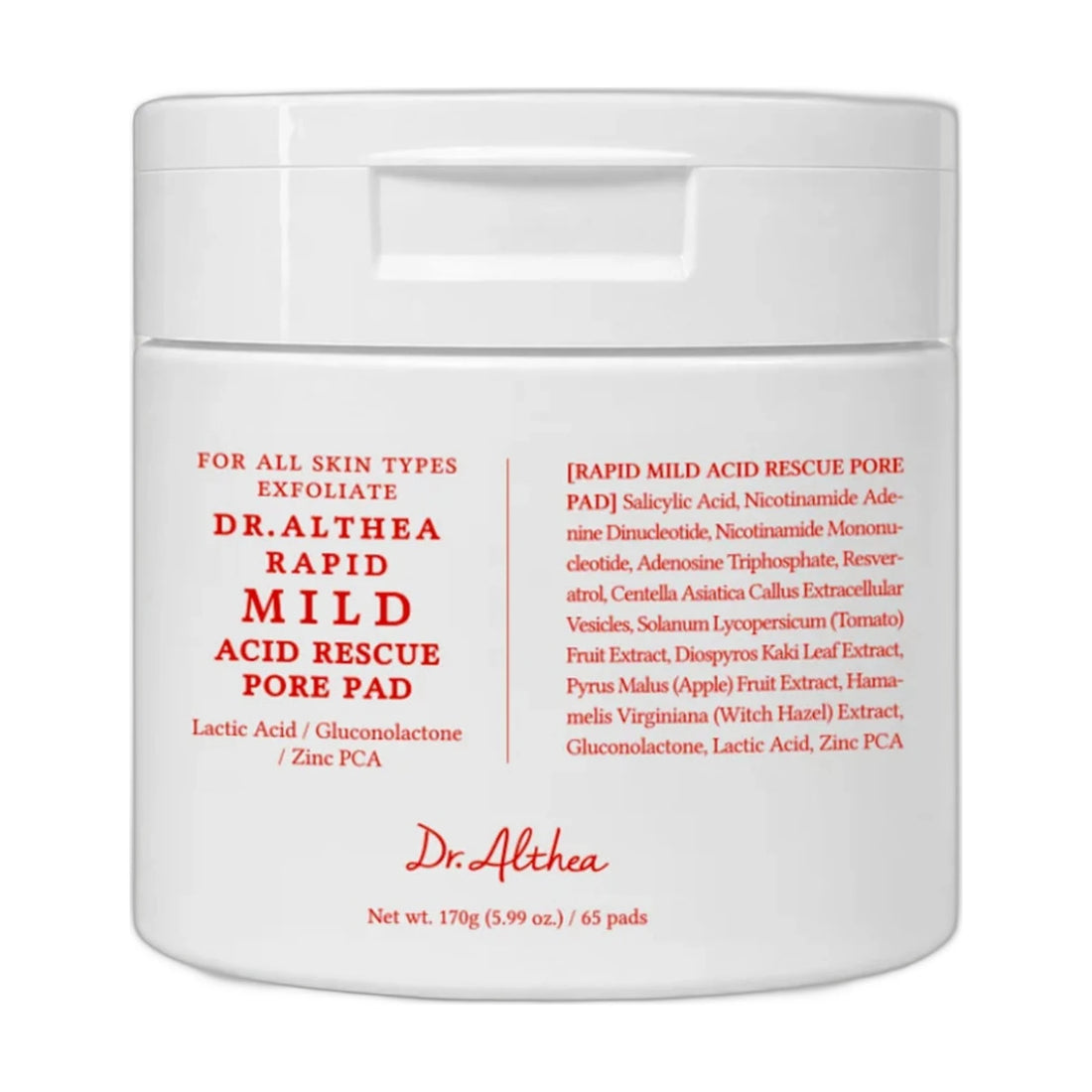
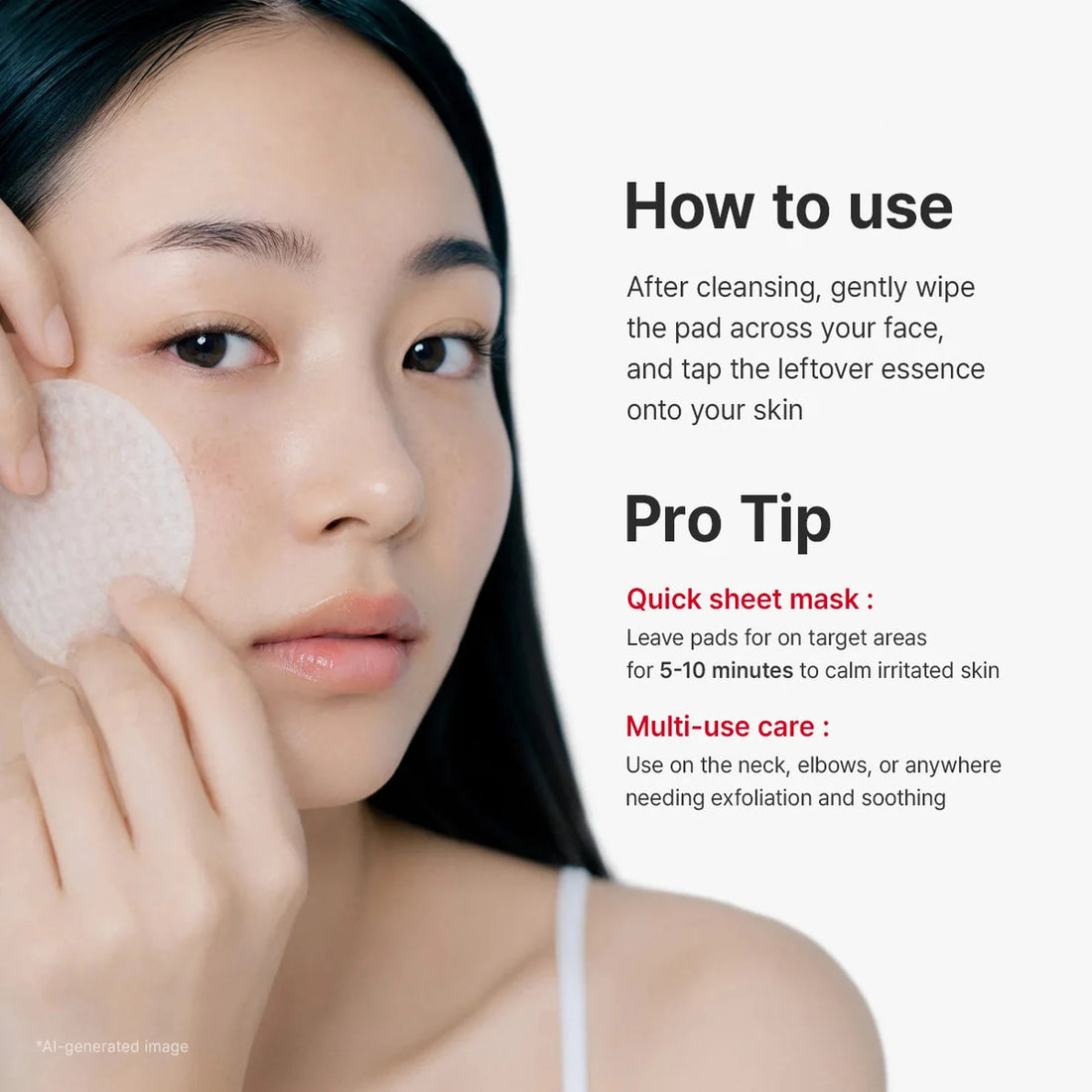 Vendor:Rapid Mild Acid Rescue Pore PadDr. Althea
- Regular price
-
CHF 19.90 - Sale price
-
CHF 19.90 - Translation missing: en.products.product.price.compare_at_price
-
instead of
CHF 22.90
-
AHA BHA PHA 30 Days Miracle Truecica Clear Pad
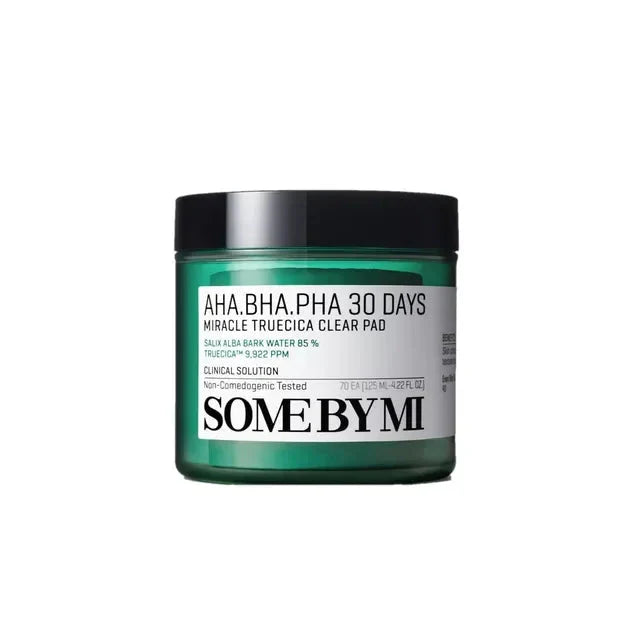
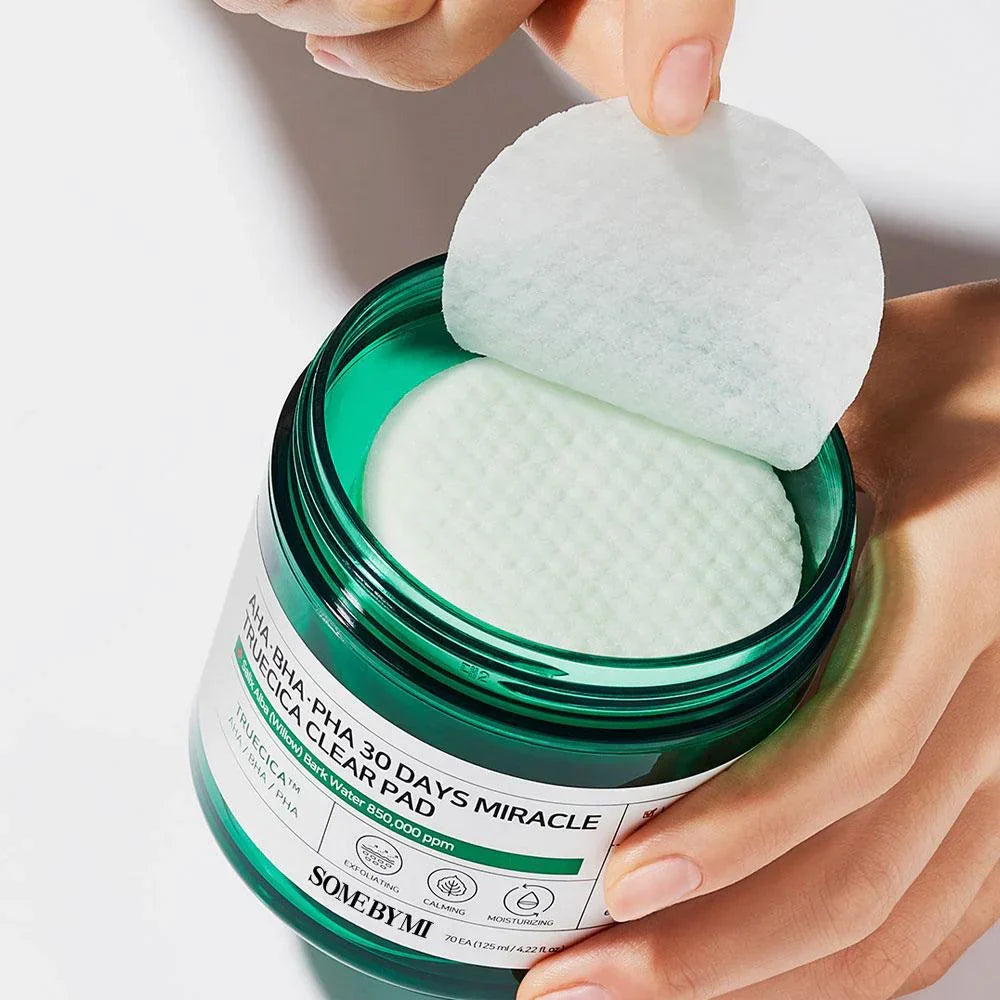 Vendor:AHA BHA PHA 30 Days Miracle Truecica Clear PadSOME BY MI
- Regular price
-
CHF 15.21 - Sale price
-
CHF 15.21 - Translation missing: en.products.product.price.compare_at_price
-
instead of
CHF 25.40
-
The AHA BHA PHA LHA 35 Peel
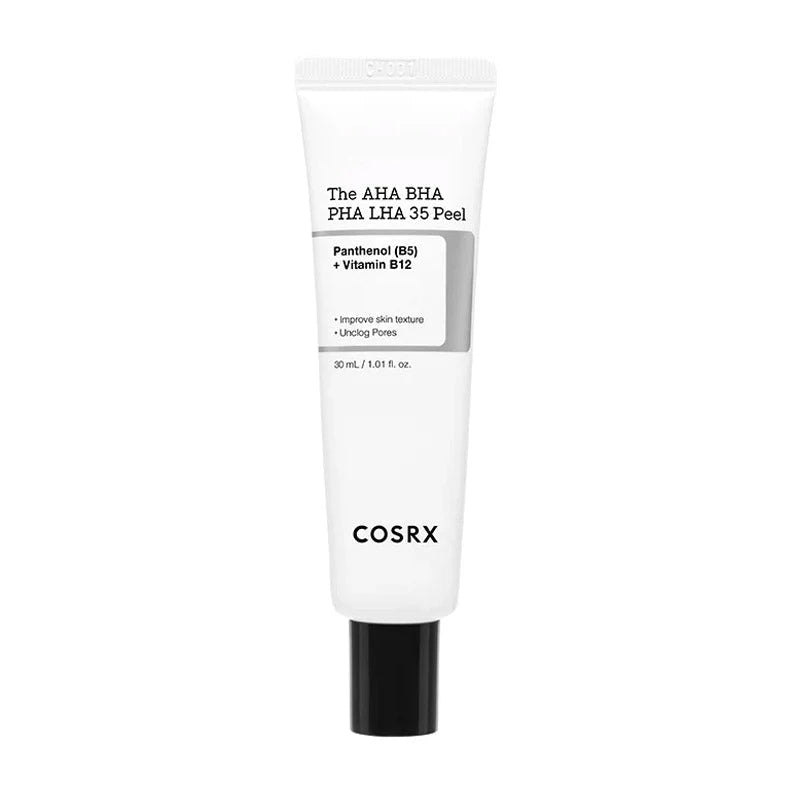
 Vendor:The AHA BHA PHA LHA 35 PeelCOSRX
- Regular price
-
CHF 19.42 - Sale price
-
CHF 19.42 - Translation missing: en.products.product.price.compare_at_price
-
instead of
CHF 32.40
-
Zero Pore Blackhead Mud Mask
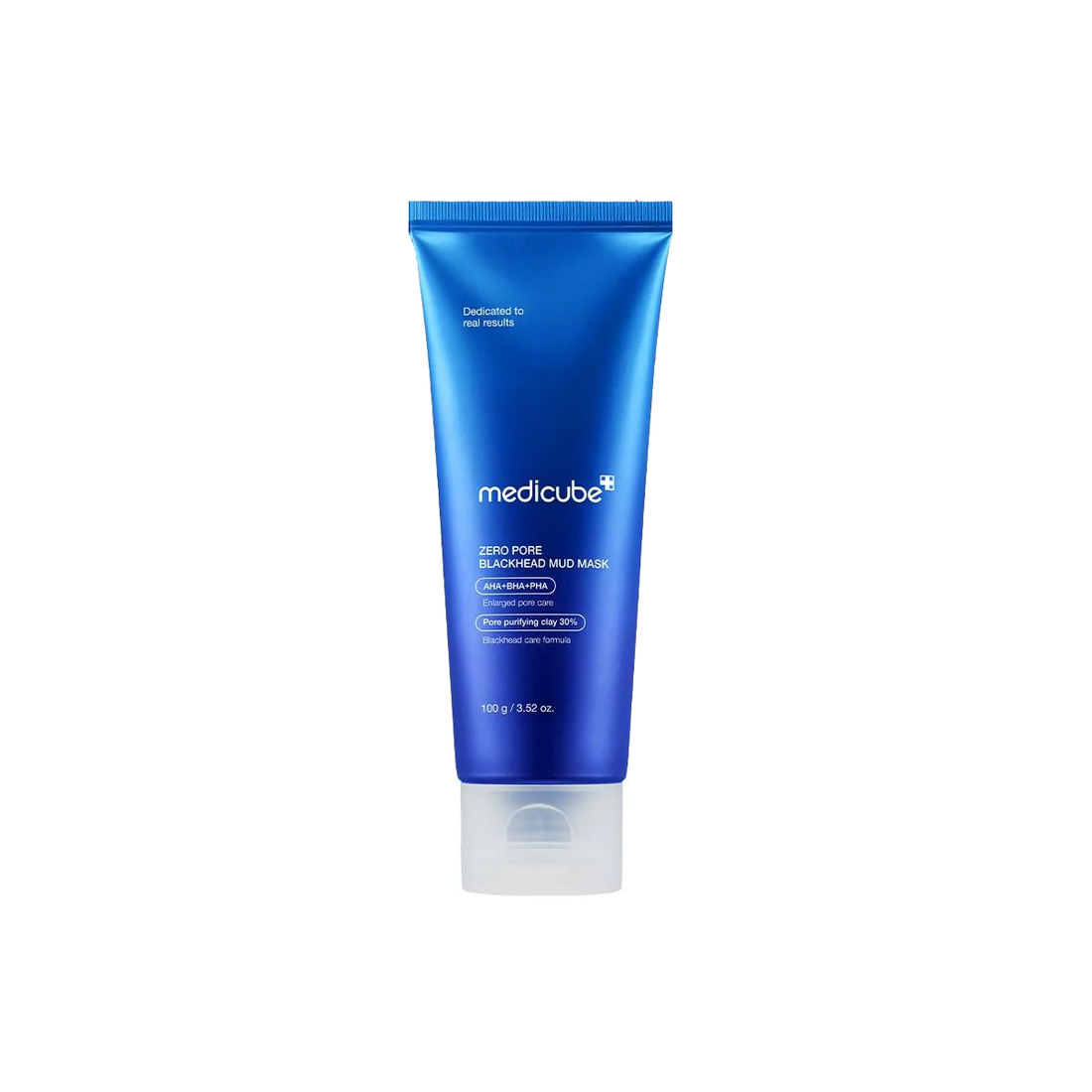
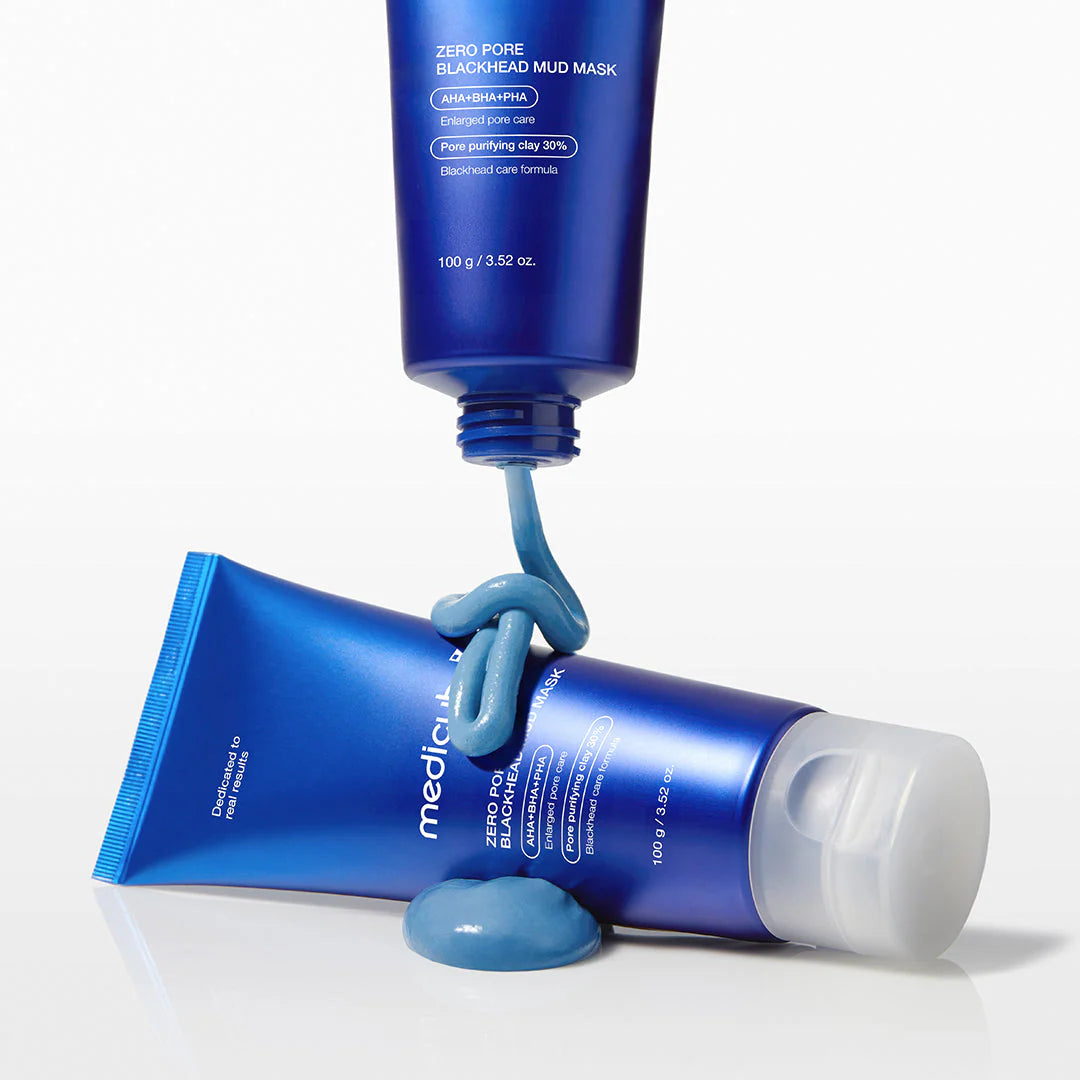 Vendor:Zero Pore Blackhead Mud Maskmedicube
- Regular price
-
CHF 23.40 - Sale price
-
CHF 23.40 - Translation missing: en.products.product.price.compare_at_price
-
instead of
CHF 32.40


Read more on our blog
See also
- AHAAHA stands for alpha hydroxy acids, also known as fruit acids. They loosen dead skin cells from the surface...→
- BHABHA stands for beta hydroxy acid – in skincare almost always salicylic acid. It is oil-soluble, penetrates ...→
- Lactic AcidLactic acid is a gentle AHA. It loosens dead skin cells, smooths skin texture and hydrates at the same time...→
- Chemical ExfoliationChemical exfoliation dissolves dead skin cells with acids such as AHA, BHA or PHA instead of grains. Skin b...→
- TonerA toner is a watery product applied after cleansing. In a Korean routine, its main job is to hydrate and pr...→
- MiliaMilia are tiny, hard white bumps under the skin, usually around the eyes. They aren’t pimples but small ker...→
PHA in your routine
Discover all 80 products in «Korean PHA Skincare» – 100% authentic, shipped from Lucerne.