Hyaluronic Acid
Also known as: Hyaluron, sodium hyaluronate, hyaluronan
Hyaluronic acid is the body’s own moisture reservoir and can bind large amounts of water. In skincare it plumps the skin from within, smooths fine dehydration lines and leaves a plump, fresh skin feel.
Contents
What is hyaluronic acid?
Hyaluronic acid is a sugar molecule that our body produces itself – in the skin, the joints and the eyes. In the skin it is found mainly in the dermis, where it acts like a sponge: it can bind many times its own weight in water and keeps tissue plump and elastic. Over the years, and also due to UV radiation, its natural content declines – the skin loses moisture and firmness.
In cosmetics, hyaluronic acid is produced biotechnologically and usually appears on the INCI list as Sodium Hyaluronate, Hyaluronic Acid or Hydrolyzed Hyaluronic Acid.
How does hyaluronic acid work on the skin?
The size of the molecules is what matters:
- High-molecular-weight hyaluronic acid stays on the skin’s surface, forms a fine moisture film and protects against dehydration.
- Low-molecular-weight hyaluronic acid is smaller and penetrates the upper layers of the skin, where it binds moisture and plumps the skin from within.
- Multi-weight hyaluronic acid – often labelled “5D” or “8 Hyaluronic Acid” in Korean products – combines several sizes for hydration in different layers of the skin.
The result: skin immediately feels softer and plumper, dehydration lines are smoothed and make-up goes on more evenly.
Which skin types is hyaluronic acid suitable for?
Hyaluronic acid is one of the best-tolerated ingredients of all and suits every skin type:
- dry skin that quickly feels tight and flaky
- oily skin that may be shiny but still needs hydration – light gel textures are ideal here
- sensitive skin, as hyaluronic acid hardly ever irritates
- mature skin that is losing plumpness – find matching products in our Anti-ageing skincare
How to use hyaluronic acid
To bind moisture, hyaluronic acid needs water:
- Cleanse your face and apply a toner.
- Work a hyaluronic serum or essence into still slightly damp skin.
- Finish with a cream so the moisture doesn’t evaporate again – and in the morning also with sunscreen.
You can use hyaluronic acid morning and evening. When indoor air is very dry in winter, finishing with a richer cream is especially important.
What can you combine hyaluronic acid with?
Hyaluronic acid goes with almost everything and is the perfect partner for active ingredients:
- Niacinamide for pores, sebum balance and a strong skin barrier
- Ceramides and panthenol, which keep moisture in the skin
- Peptides for more firmness
- Retinol and acids – hyaluronic acid relieves the dry feeling these ingredients often cause
Hyaluronic acid in Korean skincare
In K-beauty, hyaluronic acid is considered the foundation of a hydrating routine. Toners and essences applied in several layers are typical – the so-called “7-skin method”. Many brands combine hyaluronic acid with Centella Asiatica, panthenol or ceramides to soothe and strengthen the skin barrier at the same time. Our Korean hyaluronic acid skincare collection has more than 600 products – from light toners to rich creams.
What does the research say?
Hyaluronic acid is well studied. In a study with serums of different molecular sizes, skin hydration and elasticity improved significantly after eight weeks, especially with the smaller molecules (Pavicic et al., Journal of Drugs in Dermatology, 2011). Good to know: hyaluronic acid applied to the skin does not replace a filler treatment. But it reliably hydrates and makes other skincare steps more comfortable.
Frequently asked questions
Can hyaluronic acid dry out the skin?
Is hyaluronic acid suitable for oily skin?
Morning or evening – when should I use hyaluronic acid?
What is the difference between hyaluronic acid and sodium hyaluronate?
Can I combine hyaluronic acid with retinol or vitamin C?
Popular products
-
Azelaic Acid 10 Hyaluron Redness Soothing Serum
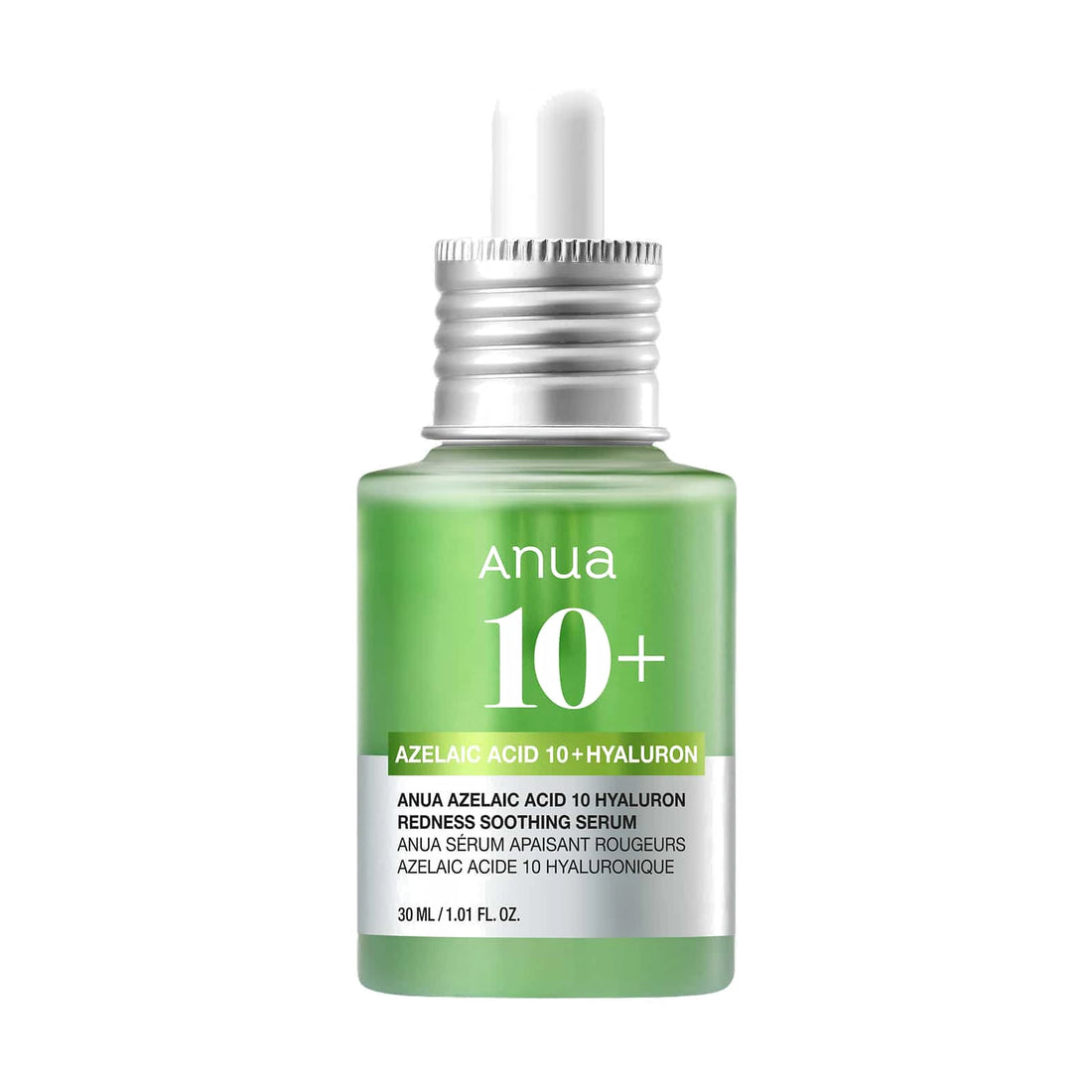
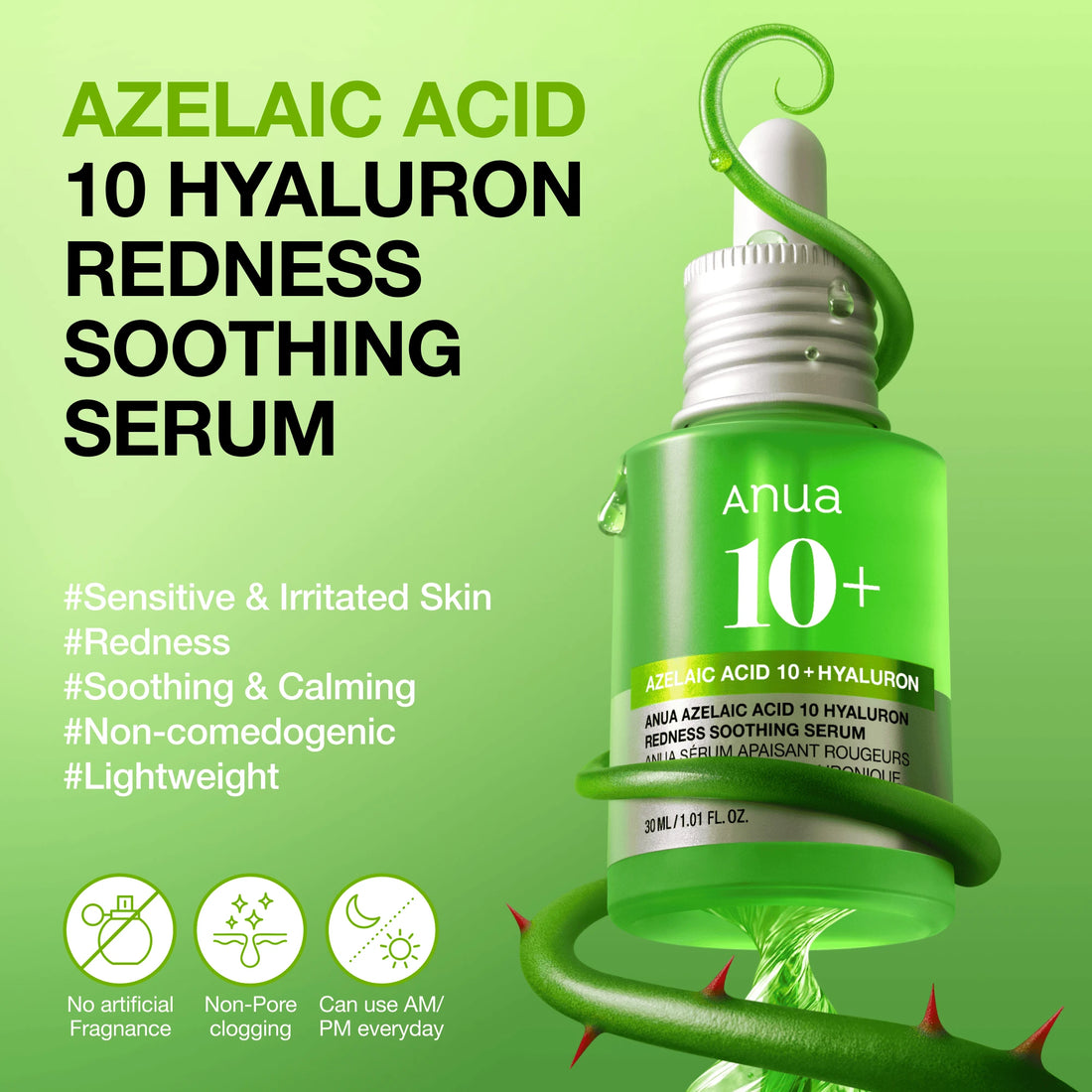 Vendor:Azelaic Acid 10 Hyaluron Redness Soothing SerumAnua
- Regular price
-
CHF 19.42 - Sale price
-
CHF 19.42 - Translation missing: en.products.product.price.compare_at_price
-
instead of
CHF 27.90
-
Collagen Jelly Cream

 Vendor:Collagen Jelly Creammedicube
- Regular price
-
From
CHF 14.03 - Sale price
-
From
CHF 14.03 - Translation missing: en.products.product.price.compare_at_price
-
instead of
CHF 22.00
-
Madeca Cream Time Reverse

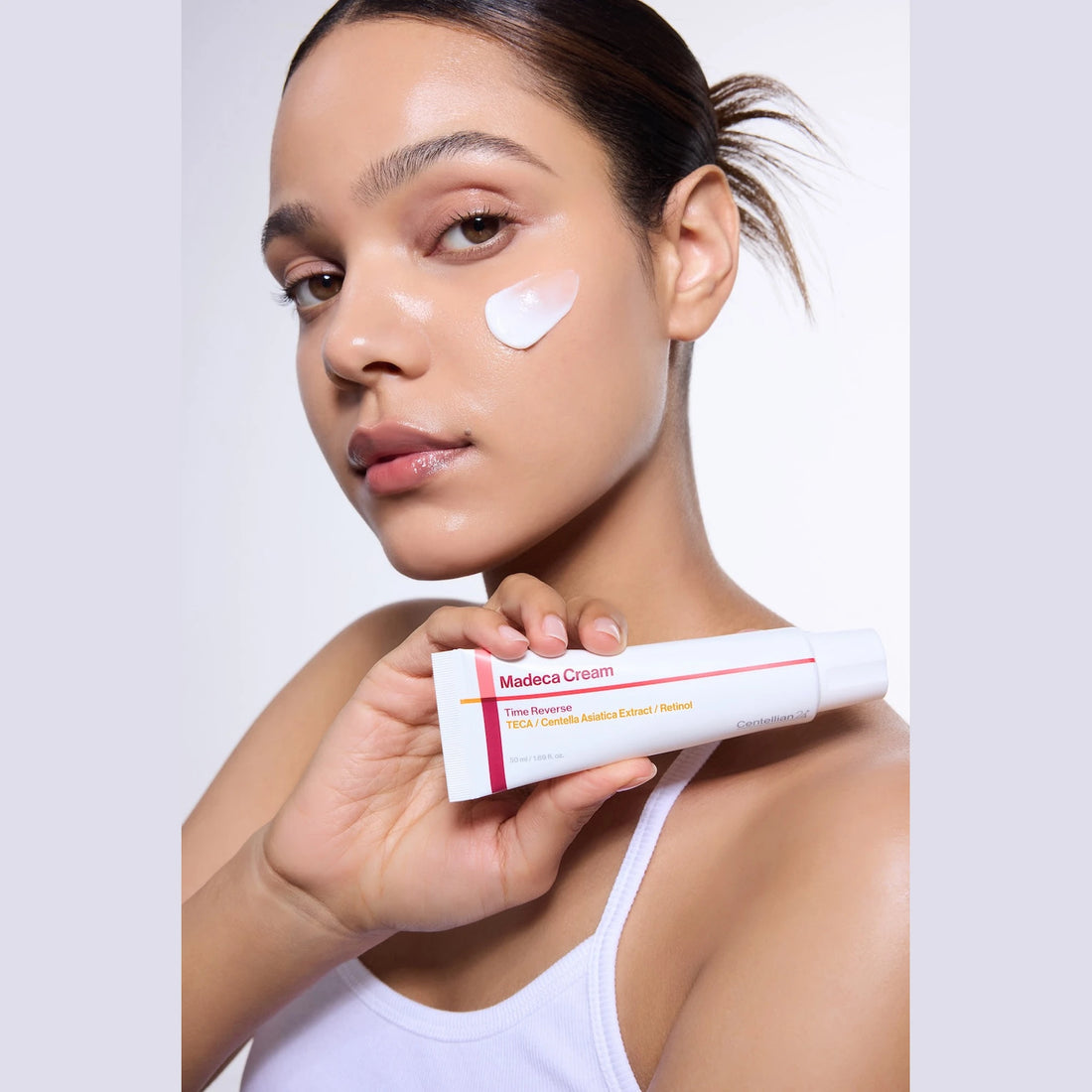 Vendor:Madeca Cream Time ReverseCentellian24
- Regular price
-
CHF 11.54 - Sale price
-
CHF 11.54 - Translation missing: en.products.product.price.compare_at_price
-
instead of
CHF 18.90
-
Madagascar Centella Hyalu-Cica Water-Fit Sun Serum

 Vendor:Madagascar Centella Hyalu-Cica Water-Fit Sun SerumSKIN1004
- Regular price
-
From
CHF 13.86 - Sale price
-
From
CHF 13.86 - Translation missing: en.products.product.price.compare_at_price
-
instead of
CHF 19.90
-
Revive Eye Serum Ginseng + Retinal
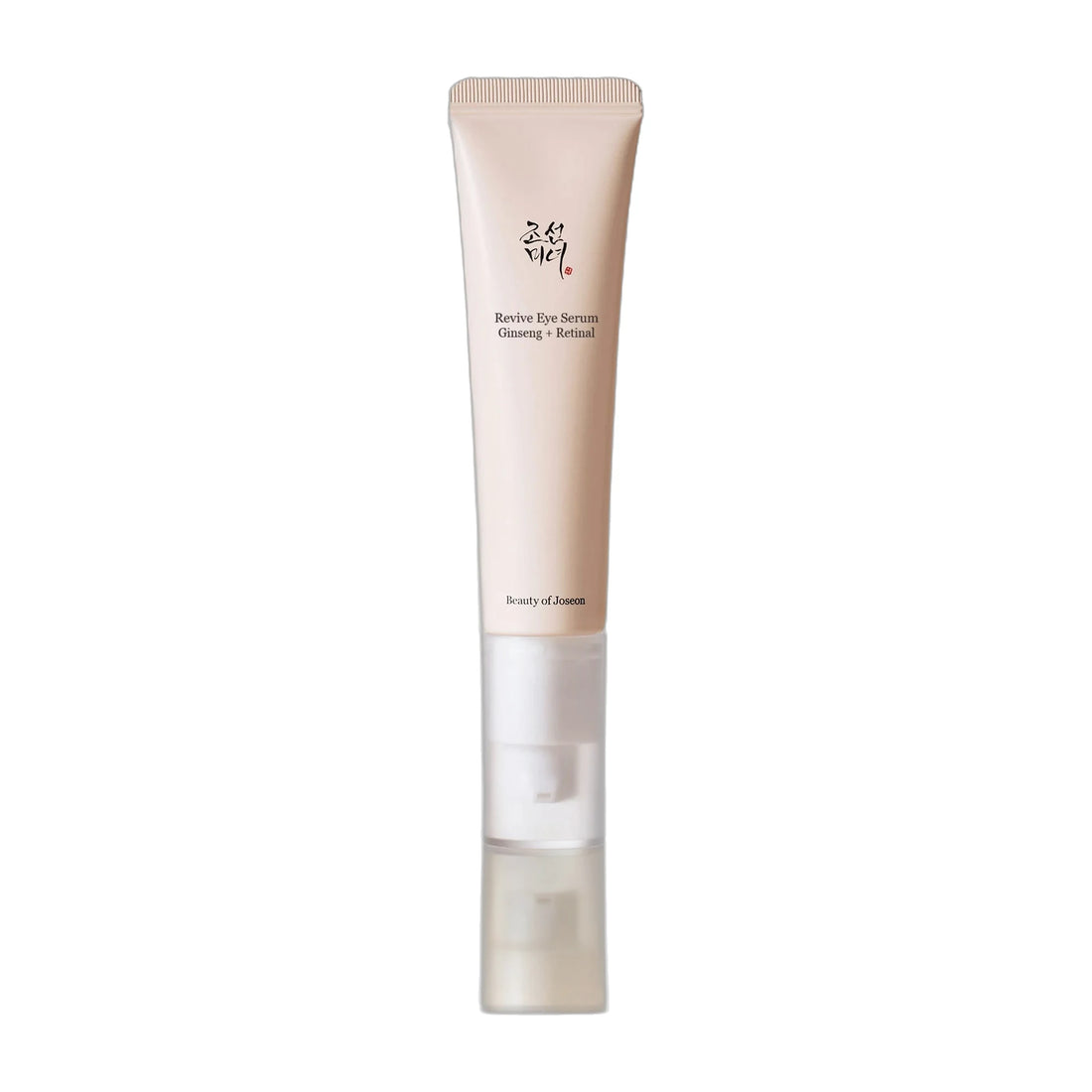
 Vendor:Revive Eye Serum Ginseng + RetinalBeauty of Joseon
- Regular price
-
CHF 12.37 - Sale price
-
CHF 12.37 - Translation missing: en.products.product.price.compare_at_price
-
instead of
CHF 19.90
-
PDRN Pink Peptide Serum

 Vendor:PDRN Pink Peptide Serummedicube
- Regular price
-
CHF 19.01 - Sale price
-
CHF 19.01 - Translation missing: en.products.product.price.compare_at_price
-
instead of
CHF 23.90
-
PDRN Pink Collagen Capsule Cream

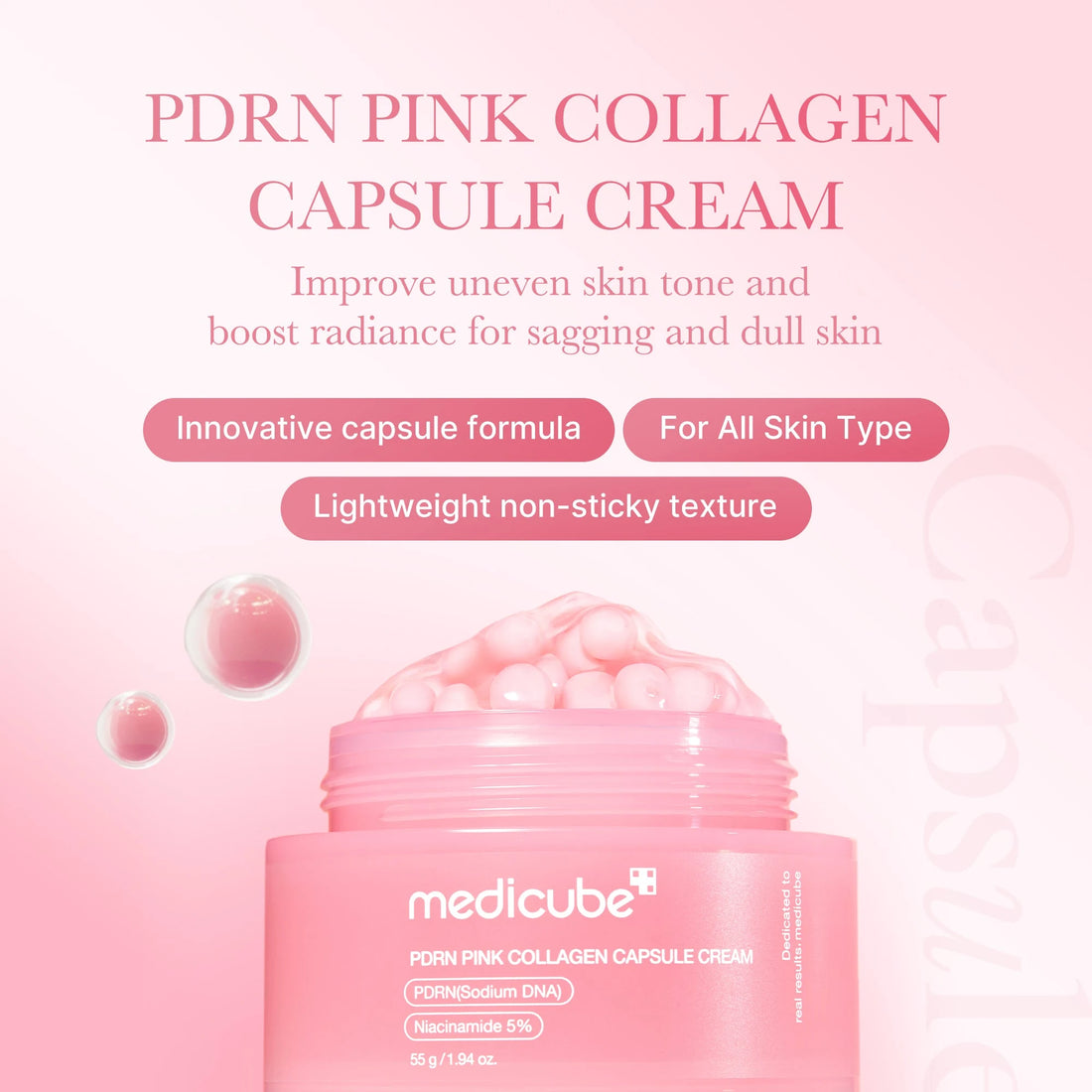 Vendor:PDRN Pink Collagen Capsule Creammedicube
- Regular price
-
CHF 20.67 - Sale price
-
CHF 20.67 - Translation missing: en.products.product.price.compare_at_price
-
instead of
CHF 25.90
-
Birch Juice Moisturising Sunscreen

 Vendor:Birch Juice Moisturising SunscreenROUND LAB
- Regular price
-
CHF 14.03 - Sale price
-
CHF 14.03 - Translation missing: en.products.product.price.compare_at_price
-
instead of
CHF 22.00


Read more on our blog
See also
- CeramidesCeramides are the skin’s own lipids that sit between skin cells like mortar. They keep the skin barrier int...→
- PanthenolPanthenol is the precursor of vitamin B5. It hydrates, calms irritated skin and supports the regeneration o...→
- NiacinamideNiacinamide is a form of vitamin B3 and one of the most versatile skincare ingredients. It refines pores, r...→
- PeptidesPeptides are short chains of amino acids – the building blocks of proteins such as collagen and elastin. In...→
- EssenceAn essence is a lightweight, watery treatment applied after toner. It delivers hydration and active ingredi...→
- MoisturiserA moisturiser locks moisture into the skin, strengthens the skin barrier and completes your routine. Depend...→
- UreaUrea is one of the skin’s natural moisturising factors. At low concentrations it binds moisture, at higher ...→
Hyaluronic Acid in your routine
Discover all 649 products in «Korean Hyaluronic Acid Skincare» – 100% authentic, shipped from Lucerne.