

Peptides
Also known as: Peptide, oligopeptides, polypeptides, signal peptides
Peptides are short chains of amino acids – the building blocks of proteins such as collagen and elastin. In skincare they act as messengers that support the skin’s own renewal, for smoother, firmer and plumper-looking skin.
Contents
What are peptides?
Peptides consist of two to around fifty amino acids linked together like beads on a string. Longer chains are called proteins – including collagen, elastin and keratin, which give the skin structure, firmness and resilience. Because peptides are much smaller than these proteins, they can be used in a targeted way in serums, creams and eye care.
In the skin, peptides naturally act as messengers: when collagen fibres break down, small fragments are formed that signal skin cells to produce new collagen. Cosmetic peptides mimic this principle. On the INCI list you can recognise them by names such as Palmitoyl Tripeptide-1, Acetyl Hexapeptide-8 or Copper Tripeptide-1.
How do peptides work on the skin?
Depending on their structure, peptides have different tasks. In skincare, there are four main groups:
- Signal peptides (e.g. palmitoyl pentapeptide-4, known as Matrixyl™) stimulate the skin to produce more collagen and elastin. They are the best-studied group.
- Carrier peptides (e.g. copper tripeptide-1, also called GHK-Cu) transport trace elements such as copper into the skin, which are important for regeneration and wound healing.
- Neurotransmitter-inhibiting peptides (e.g. acetyl hexapeptide-8, known as Argireline) can visibly smooth expression lines by slightly relaxing muscle tension – which is why they are often called a “topical Botox alternative”.
- Enzyme-inhibiting peptides (e.g. from soy or silk protein) slow down enzymes that break down collagen, protecting the existing skin structure.
The result of regular use: skin looks firmer and plumper, fine lines become less visible and the skin barrier is strengthened, because many peptides also bind moisture.
Which skin types are peptides suitable for?
Peptides are considered very well tolerated and suit almost all skin types – including sensitive skin that doesn’t get on with retinol or acids. They especially benefit:
- mature skin with declining firmness and first wrinkles – find matching products in our Anti-ageing skincare
- dry and stressed skin that needs hydration and barrier care
- sensitive skin looking for a gentle alternative to retinoids
- the eye area, where the skin is particularly thin – which is why peptides are a classic in eye creams and eye patches
From your mid-twenties, when the body’s own collagen production slowly declines, peptides can be used preventively.
How to use peptides
Peptides work best where they stay on the skin longer – in serums, ampoules, creams and eye care rather than cleansers.
- Cleanse your face and apply a toner.
- Work a peptide serum or ampoule into slightly damp skin.
- Finish with a cream, and in the morning also with sunscreen.
You can use peptides morning and evening. Patience is key: visible results usually appear after eight to twelve weeks of regular use, because that’s how long the skin needs to renew its structural proteins.
What can you combine peptides with?
Peptides are real team players. They combine well with:
- Hyaluronic acid for extra hydration and plump-looking skin
- Niacinamide for a stronger skin barrier and a more even complexion
- Ceramides for protected, resilient skin
- PDRN and collagen – a particularly popular anti-ageing duo in K-beauty
Take some care with strongly acidic products: high-strength AHA or BHA peels and pure vitamin C serums (ascorbic acid) with a very low pH can make some peptides less stable. It’s best to apply them at different times of day – for example vitamin C in the morning and peptides in the evening. Don’t layer copper peptides directly with vitamin C or retinoids.
Peptides in Korean skincare
Korean brands especially like to use peptides as a team: many K-beauty serums contain several peptides at once – such as “The 6 Peptide Skin Booster” from COSRX or Medi-Peel’s “Peptide 9” line. Peptides are also often combined with PDRN, collagen, Centella Asiatica or snail mucin to bring anti-ageing and soothing together in one step. Our Korean peptide skincare collection has more than 240 products with peptides – from ampoules and eye creams to eye patches.
What does the research say?
After retinoids, peptides are among the best-studied anti-ageing ingredients. In a twelve-week, placebo-controlled study with palmitoyl pentapeptide-4, women with photo-aged skin showed a measurable improvement in wrinkles and skin texture (Robinson et al., International Journal of Cosmetic Science, 2005). A review summarises that several cosmetic peptides have shown positive effects on fine lines, elasticity and hydration in clinical studies (Schagen, Cosmetics, 2017).
At the same time, peptides are relatively large molecules and only penetrate the skin to a limited extent. How well a product works therefore depends heavily on formulation, concentration and regular use. Peptides don’t replace aesthetic treatments, but they are a gentle, well-tolerated addition to any anti-ageing routine.
Frequently asked questions
At what age should you start using peptides?
Can you use peptides and retinol together?
Are peptides suitable for sensitive skin?
How long do peptides take to work?
What is the difference between peptides and collagen in skincare?
Popular products
-
The 6 Peptide Skin Booster

 Vendor:The 6 Peptide Skin BoosterCOSRX
- Regular price
-
CHF 13.78 - Sale price
-
CHF 13.78 - Translation missing: en.products.product.price.compare_at_price
-
instead of
CHF 19.30
-
Peptide 9 Volume All In One Essence

 Vendor:Peptide 9 Volume All In One EssenceMedi-Peel
- Regular price
-
CHF 21.25 - Sale price
-
CHF 21.25 - Translation missing: en.products.product.price.compare_at_price
-
instead of
CHF 28.20
-
PDRN Pink Peptide Serum

 Vendor:PDRN Pink Peptide Serummedicube
- Regular price
-
CHF 19.01 - Sale price
-
CHF 19.01 - Translation missing: en.products.product.price.compare_at_price
-
instead of
CHF 23.90
-
Deep Lifting Peptide Eye Cream For Face

 Vendor:Deep Lifting Peptide Eye Cream For Facemedicube
- Regular price
-
CHF 19.84 - Sale price
-
CHF 19.84 - Translation missing: en.products.product.price.compare_at_price
-
instead of
CHF 29.90
-
Advanced Snail Peptide Eye Cream

 Vendor:Advanced Snail Peptide Eye CreamCOSRX
- Regular price
-
CHF 13.94 - Sale price
-
CHF 13.94 - Translation missing: en.products.product.price.compare_at_price
-
instead of
CHF 18.80
-
The Peptide Collagen Hydrogel Eye Patch

 Vendor:The Peptide Collagen Hydrogel Eye PatchCOSRX
- Regular price
-
CHF 16.52 - Sale price
-
CHF 16.52 - Translation missing: en.products.product.price.compare_at_price
-
instead of
CHF 25.90
-
Collagen Peptide Eye Patches

 Vendor:Collagen Peptide Eye PatchesBiodance
- Regular price
-
CHF 21.50 - Sale price
-
CHF 21.50 - Translation missing: en.products.product.price.compare_at_price
-
instead of
CHF 29.90
-
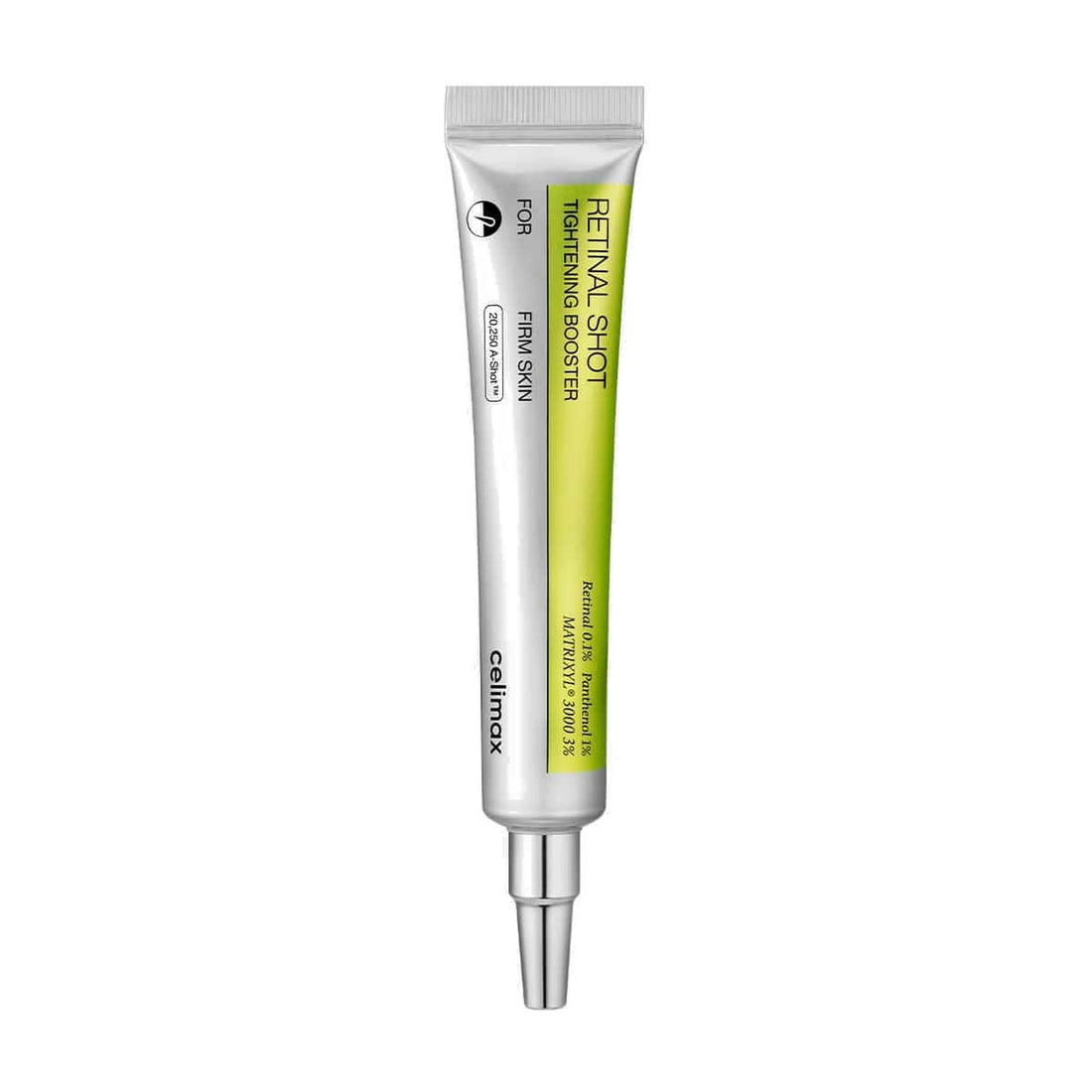
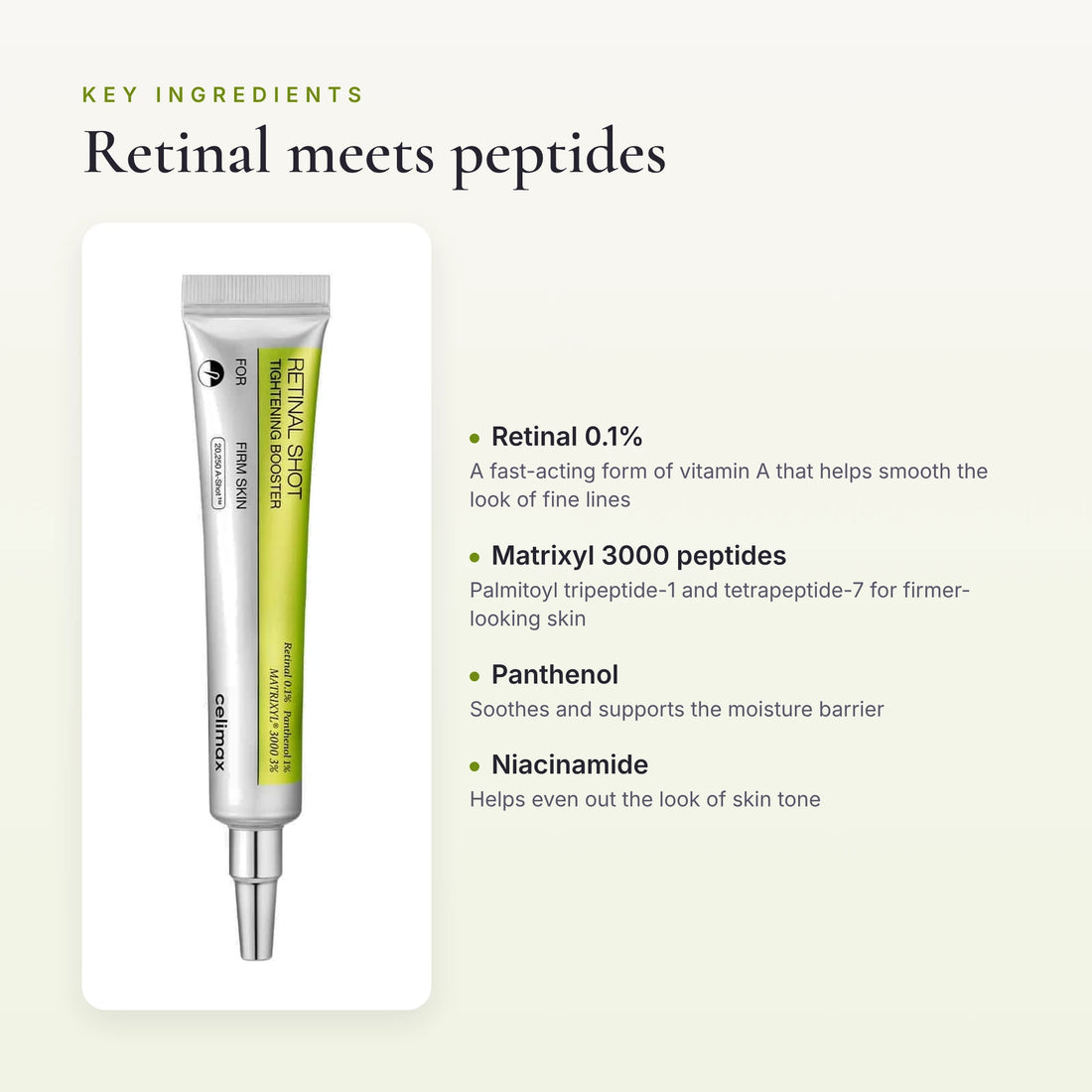
The Vita-A Retinal Shot Tightening Booster
 Vendor:The Vita-A Retinal Shot Tightening Boostercelimax
- Regular price
-
From
CHF 16.48 - Sale price
-
From
CHF 16.48 - Translation missing: en.products.product.price.compare_at_price
-
instead of
CHF 22.40


Read more on our blog
See also
- CollagenCollagen is the skin’s most important structural protein and provides firmness and elasticity. In skincare ...→
- PDRNPDRN stands for polydeoxyribonucleotide – short DNA fragments, usually from salmon or plants. Originally fr...→
- RetinolRetinol is a form of vitamin A and one of the most effective anti-ageing ingredients. It speeds up cell ren...→
- Hyaluronic AcidHyaluronic acid is the body’s own moisture reservoir and can bind large amounts of water. In skincare it pl...→
- NAD+NAD+ is a coenzyme every skin cell needs for energy and repair. Its levels fall with age. Korean anti-agein...→
- AdenosineAdenosine is a building block the body makes itself and is officially recognised in Korea as an anti-wrinkl...→
- Lash SerumA lash serum cares for your lashes and lash line with ingredients such as peptides, biotin and panthenol. U...→
Peptides in your routine
Discover all 246 products in «Korean Peptide Skincare» – 100% authentic, shipped from Lucerne.