Adenosine
Also known as: Adenosin
Adenosine is a building block the body makes itself and is officially recognised in Korea as an anti-wrinkle active. It supports collagen production, is very well tolerated and is found in many Korean creams.
Contents
What is adenosine?
Adenosine is a nucleoside made up of the base adenine and the sugar ribose. The body produces it itself: it is a building block of the energy carrier ATP and of RNA. For cosmetics, adenosine is usually made biotechnologically. In ingredient lists it appears as “Adenosine”.
How does adenosine work on the skin?
- Against wrinkles: adenosine binds to receptors on fibroblasts – the cells that make collagen – and stimulates them.
- More elasticity: over time, the skin looks firmer and smoother.
- Gentle: adenosine is hardly irritating and does not make the skin more sensitive to light.
Why is adenosine in so many Korean creams?
For a product to count officially as a functional cosmetic for wrinkle improvement in Korea, it needs an active approved by the MFDS authority at the specified level, or its own proof of efficacy. Adenosine is one of these standard actives, at a concentration of 0.04%. That’s why you’ll find it in countless creams, serums, eye creams and even sunscreens – often as a supporting active.
Which skin types is adenosine suitable for?
- first lines and mature skin – see anti-ageing skincare
- sensitive skin that doesn’t tolerate retinoids well
- all skin types as a gentle addition to a daily routine
How to use adenosine
- Adenosine usually comes in creams, serums or eye creams – simply apply them as usual, morning and evening.
- Consistency matters more than quantity: visible effects take a few weeks.
- Don’t forget sunscreen during the day – it’s the most effective protection against new wrinkles.
What can you combine adenosine with?
- Retinol – adenosine complements it well and isn’t irritating itself
- Peptides and collagen for more firmness
- Niacinamide for a more even skin tone
- NAD+ for skin cell energy
Adenosine in Korean skincare
You’ll find adenosine, for example, in the 345 Relief Cream by Dr. Althea, The Retinol 0.1 Cream by COSRX, the PDRN Volume Fill-it Booster Crème by Abib, the Beta-Glucan Daily Moisture Cream by iUNIK, the Madagascar Centella Poremizing Light Gel Cream by SKIN1004 and the Birch Juice Moisturizing Sunscreen by ROUND LAB.
What does the research say?
Lab studies show that adenosine stimulates fibroblasts to produce collagen. There are also individual clinical studies, for example with adenosine microneedle patches, that improved wrinkles, dermal density and elasticity (Kang et al., International Journal of Cosmetic Science, 2018). Large independent long-term studies are lacking, however. Adenosine is therefore seen as a gentle, well-tolerated supporting active – not a replacement for retinoids.
Frequently asked questions
How much adenosine should a product contain?
Can I combine adenosine with retinol?
Is adenosine suitable for sensitive skin?
Popular products
-
345 Relief Cream
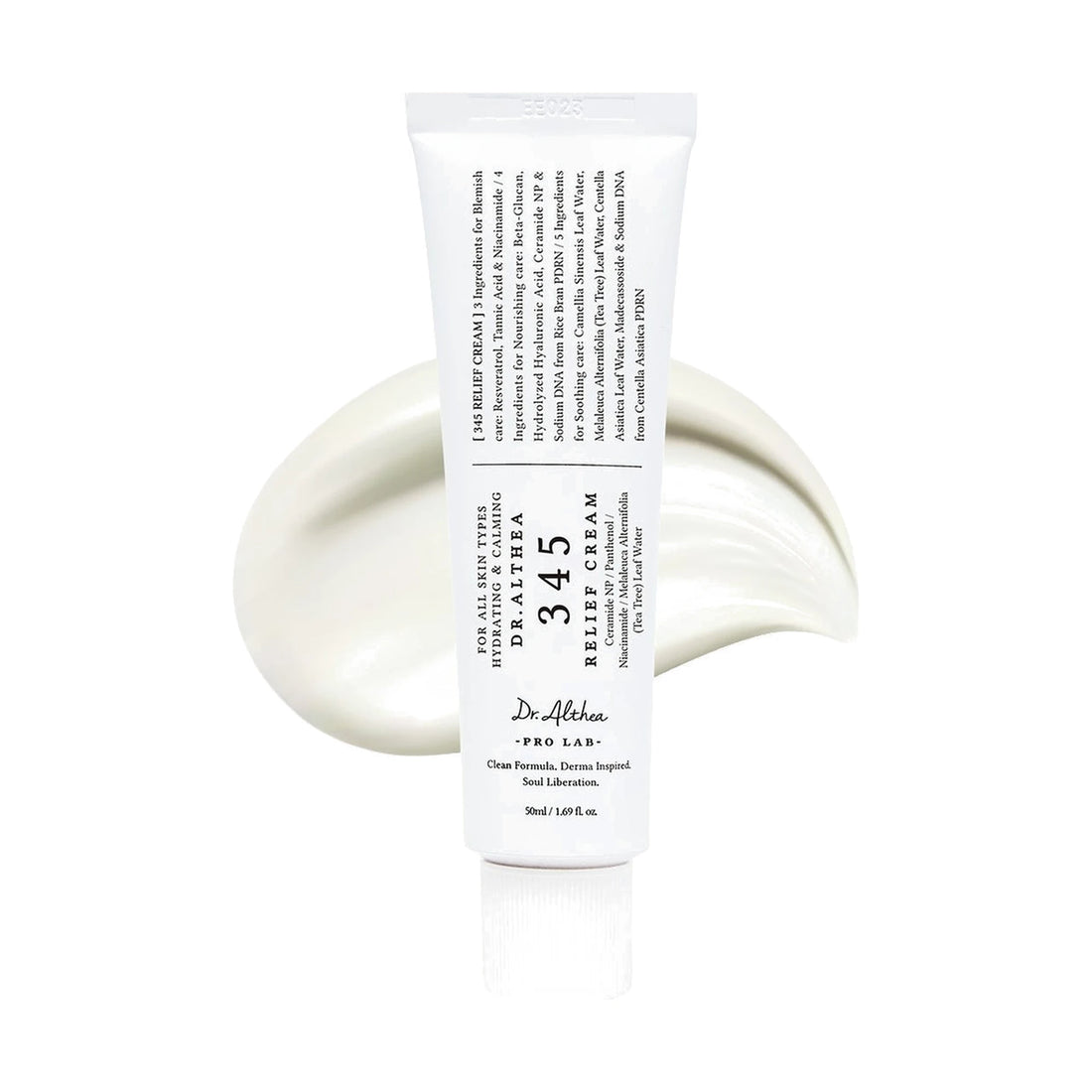
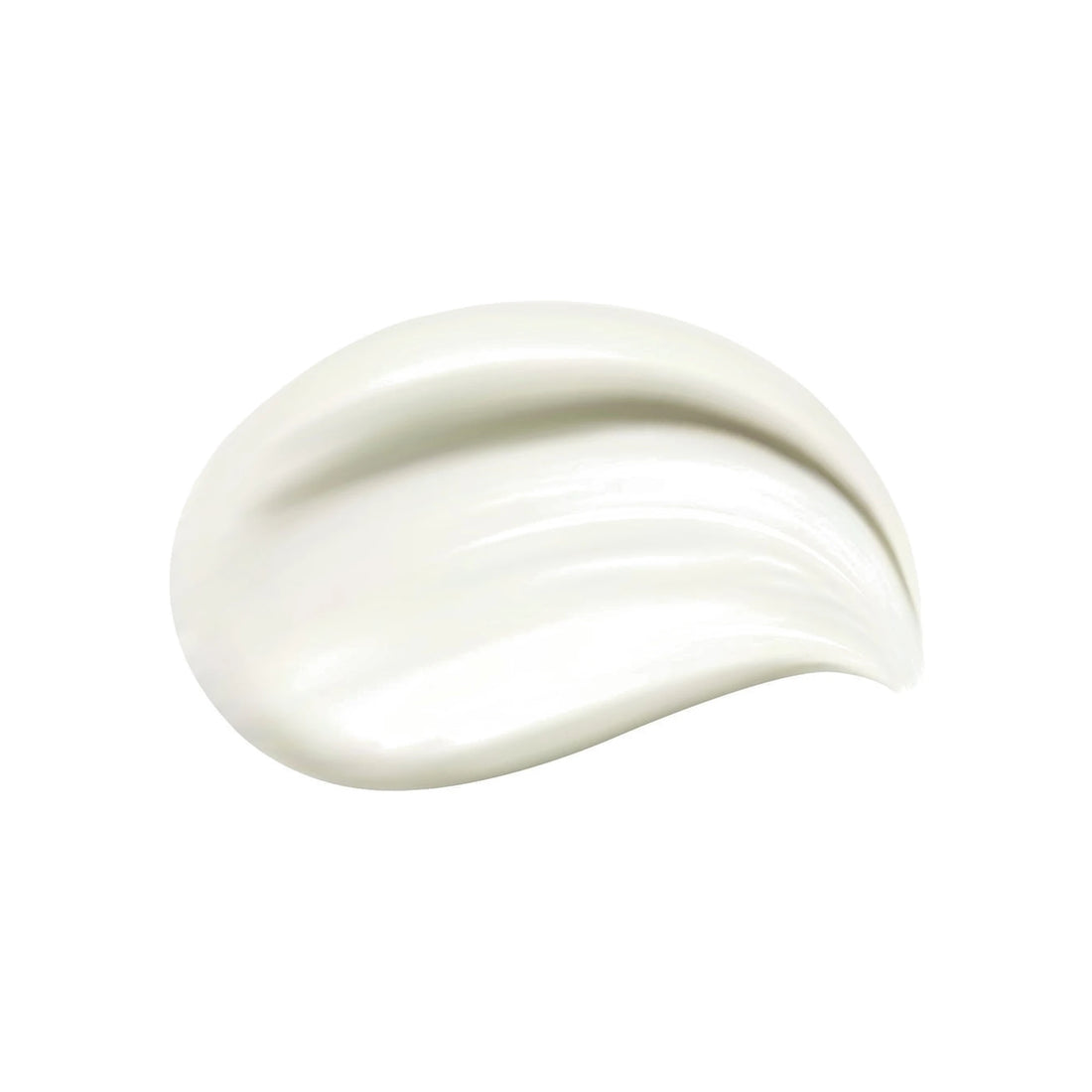 Vendor:345 Relief CreamDr. Althea
- Regular price
-
CHF 14.65 - Sale price
-
CHF 14.65 - Translation missing: en.products.product.price.compare_at_price
-
instead of
CHF 21.40
-
The Retinol 0.1 Cream

 Vendor:The Retinol 0.1 CreamCOSRX
- Regular price
-
CHF 17.26 - Sale price
-
CHF 17.26 - Translation missing: en.products.product.price.compare_at_price
-
instead of
CHF 27.00
-
PDRN Volume Fill-it Booster Cream 2.5 Tube
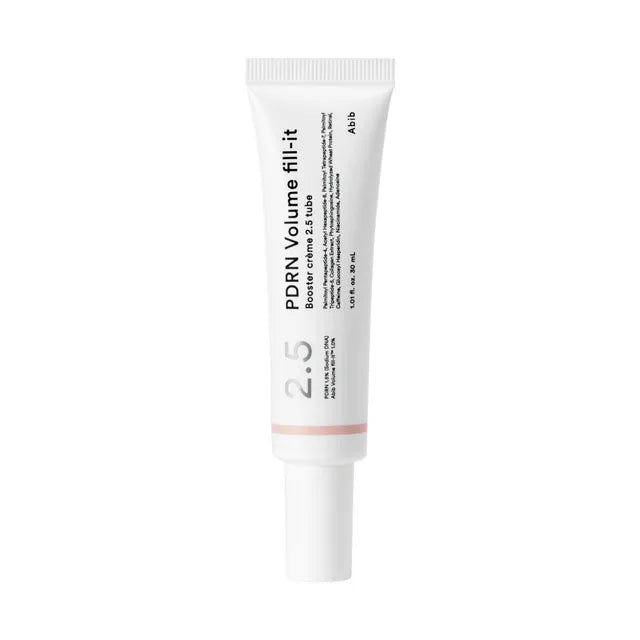
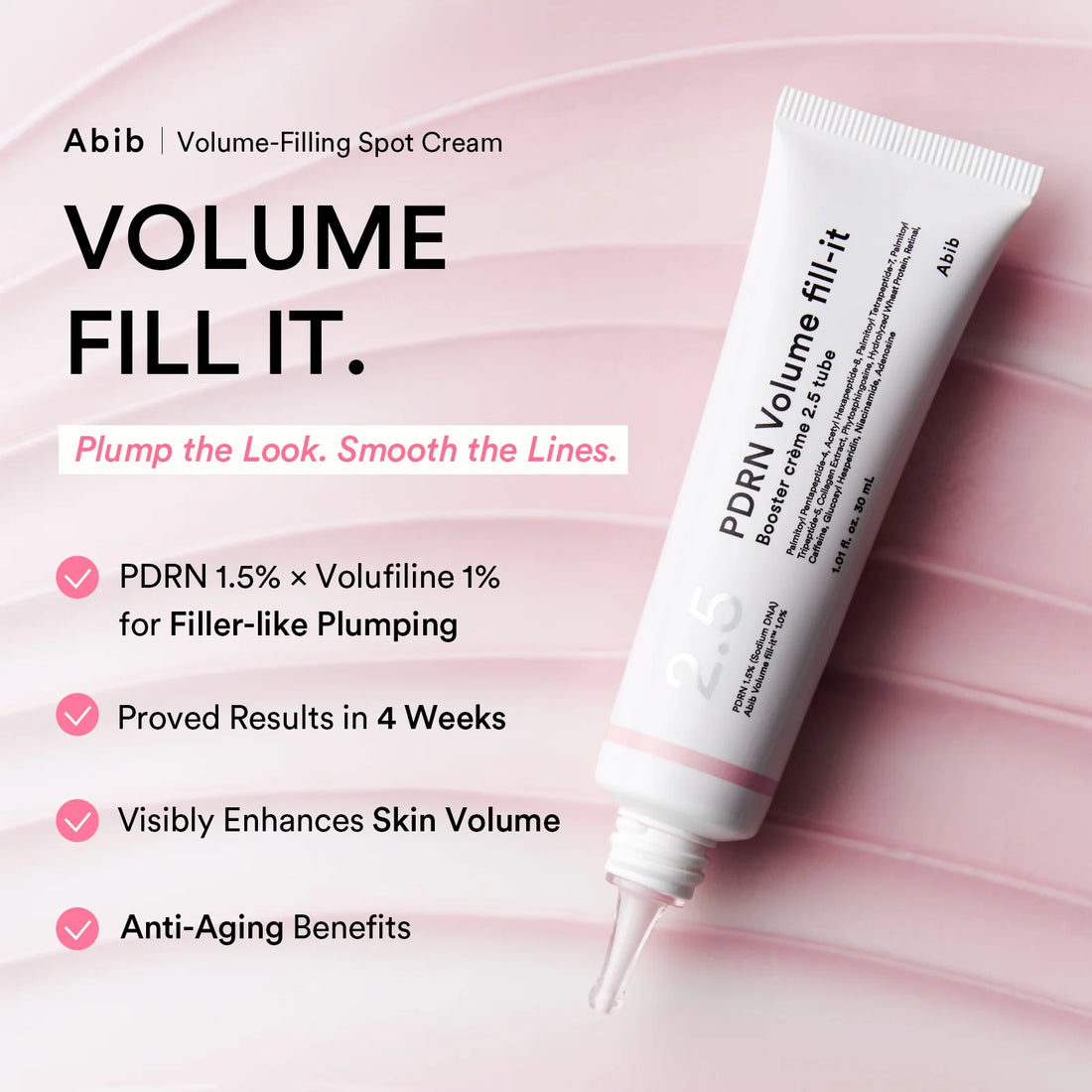 Vendor:PDRN Volume Fill-it Booster Cream 2.5 TubeAbib
- Regular price
-
CHF 20.67 - Sale price
-
CHF 20.67 - Translation missing: en.products.product.price.compare_at_price
-
instead of
CHF 24.90
-
Beta-Glucan Daily Moisture Cream

 Vendor:Beta-Glucan Daily Moisture CreamiUNIK
- Regular price
-
CHF 14.03 - Sale price
-
CHF 14.03 - Translation missing: en.products.product.price.compare_at_price
-
instead of
CHF 22.00
-
Madagascar Centella Poremizing Light Gel Cream

 Vendor:Madagascar Centella Poremizing Light Gel CreamSKIN1004
- Regular price
-
CHF 13.65 - Sale price
-
CHF 13.65 - Translation missing: en.products.product.price.compare_at_price
-
instead of
CHF 17.90
-
Birch Juice Moisturising Sunscreen

 Vendor:Birch Juice Moisturising SunscreenROUND LAB
- Regular price
-
CHF 14.03 - Sale price
-
CHF 14.03 - Translation missing: en.products.product.price.compare_at_price
-
instead of
CHF 22.00
-
Advanced PDRN Rejuvenating Cream

 Vendor:Advanced PDRN Rejuvenating CreamDr.Reju-All
- Regular price
-
From
CHF 26.89 - Sale price
-
From
CHF 26.89 - Translation missing: en.products.product.price.compare_at_price
-
instead of
CHF 33.90
-
Black Bamboo Daily Soothing Sun Shield

 Vendor:Black Bamboo Daily Soothing Sun ShieldHaruharu Wonder
- Regular price
-
CHF 12.37 - Sale price
-
CHF 12.37 - Translation missing: en.products.product.price.compare_at_price
-
instead of
CHF 19.40


See also
- PeptidesPeptides are short chains of amino acids – the building blocks of proteins such as collagen and elastin. In...→
- RetinolRetinol is a form of vitamin A and one of the most effective anti-ageing ingredients. It speeds up cell ren...→
- NAD+NAD+ is a coenzyme every skin cell needs for energy and repair. Its levels fall with age. Korean anti-agein...→
- CollagenCollagen is the skin’s most important structural protein and provides firmness and elasticity. In skincare ...→
- GinsengGinseng is one of the most important plants in Korean tradition. In skincare, its ginsenosides provide anti...→