Panthenol
Also known as: Provitamin B5, D-panthenol, dexpanthenol
Panthenol is the precursor of vitamin B5. It hydrates, calms irritated skin and supports the regeneration of the skin barrier – a gentle all-rounder for every skin type.
Contents
What is panthenol?
Panthenol – Panthenol on the INCI list – is a provitamin: in the skin it is converted into pantothenic acid (vitamin B5). Vitamin B5 is a building block of coenzyme A, which is involved in producing skin lipids and in cell renewal. Many people know panthenol from the pharmacy, for example as a healing ointment with dexpanthenol.
In cosmetics, panthenol is usually used at concentrations between 1 and 5%. It is colourless, odourless and considered one of the best-tolerated ingredients of all.
How does panthenol work on the skin?
- Hydration: Panthenol attracts water and binds it in the skin – similar to glycerin or hyaluronic acid.
- Soothing: It relieves redness, tightness and itching, for example after sun exposure or peels.
- Barrier repair: Panthenol helps the skin rebuild its protective layer and lose less moisture.
- Suppleness: The skin feels softer and smoother.
Which skin types is panthenol suitable for?
Panthenol suits all skin types and is especially helpful for:
- dry and tight skin – see also Dryness & dehydration
- sensitive and irritated skin – see Sensitivity & irritation
- stressed skin after retinol, acids or sunburn
- blemish-prone skin that has been stressed by drying acne treatments
How to use panthenol
Panthenol is found in toners, serums, creams, balms and even sunscreens. You can use it at any time of day:
- After cleansing, apply a toner with panthenol.
- Work in a soothing ampoule or serum.
- Finish with a barrier cream – if your skin is very irritated, a richer balm works well.
Because panthenol is so mild, it is also suitable for daily use over long periods and for aftercare following cosmetic treatments.
What can you combine panthenol with?
Panthenol can be combined with all ingredients and balances out strong actives:
- Centella Asiatica for double the soothing
- Ceramides for a quickly restored barrier
- Hyaluronic acid for maximum hydration
- Retinol and AHA – panthenol reduces dryness and irritation
Panthenol in Korean skincare
In K-beauty, panthenol is a classic for barrier care. Toners and creams with a high panthenol content are popular, often combined with Centella Asiatica, ceramides or heartleaf. Many brands also use it in sunscreens and cleansers so the skin doesn’t feel tight afterwards. Our Korean panthenol skincare collection has more than 350 products.
What does the research say?
Dexpanthenol has been used in dermatology for decades. A review shows that it speeds up skin barrier regeneration, improves hydration and reduces irritation (Proksch & Nissen, Journal of Dermatological Treatment, 2002). That’s why panthenol is one of the few ingredients dermatologists also recommend for very sensitive skin and for children’s skin.
Frequently asked questions
What is the difference between panthenol and dexpanthenol?
Does panthenol help with irritated skin?
Can panthenol clog pores?
Can I use panthenol every day?
Is panthenol suitable for children and during pregnancy?
Popular products
-
The Vita-A Retinal Shot Tightening Booster
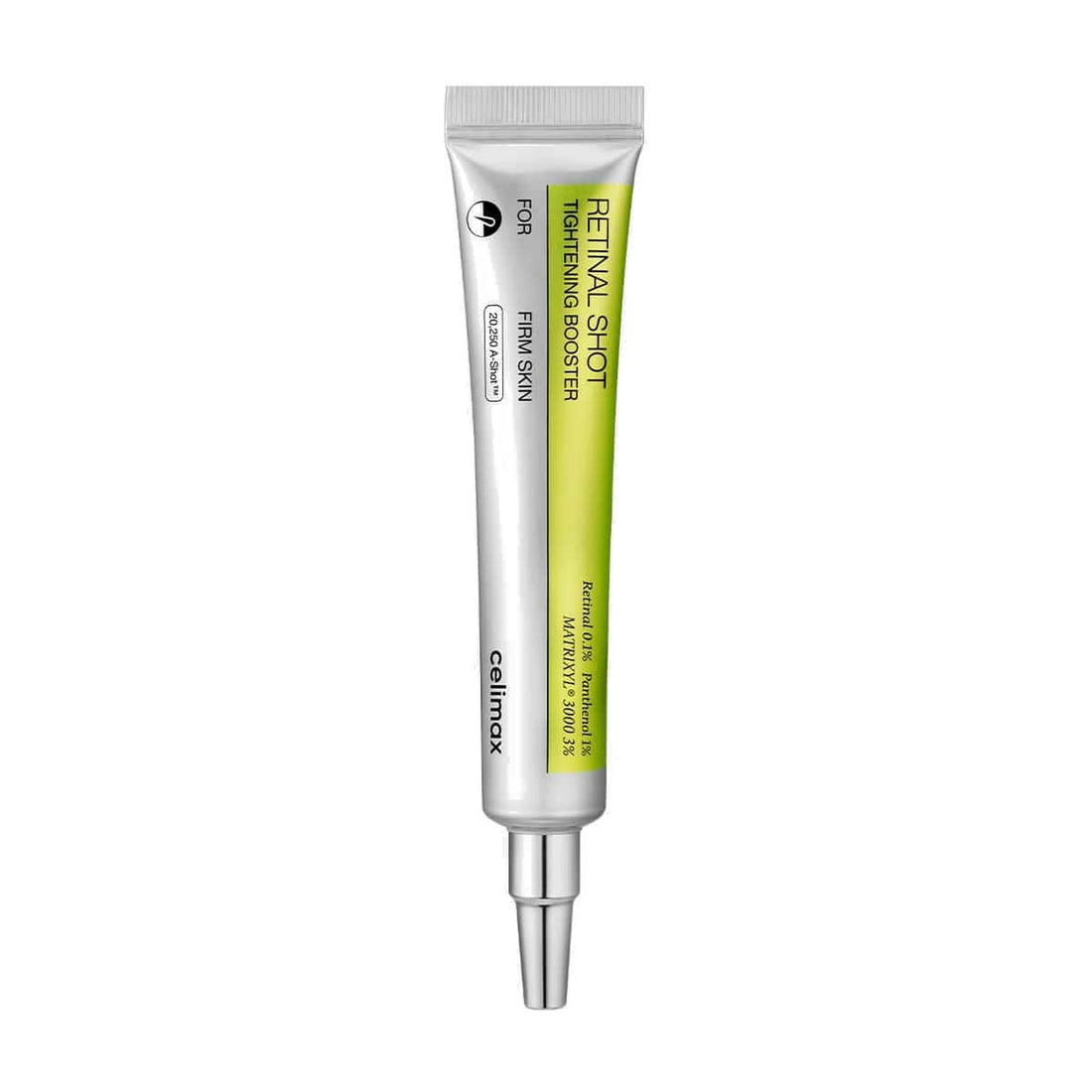
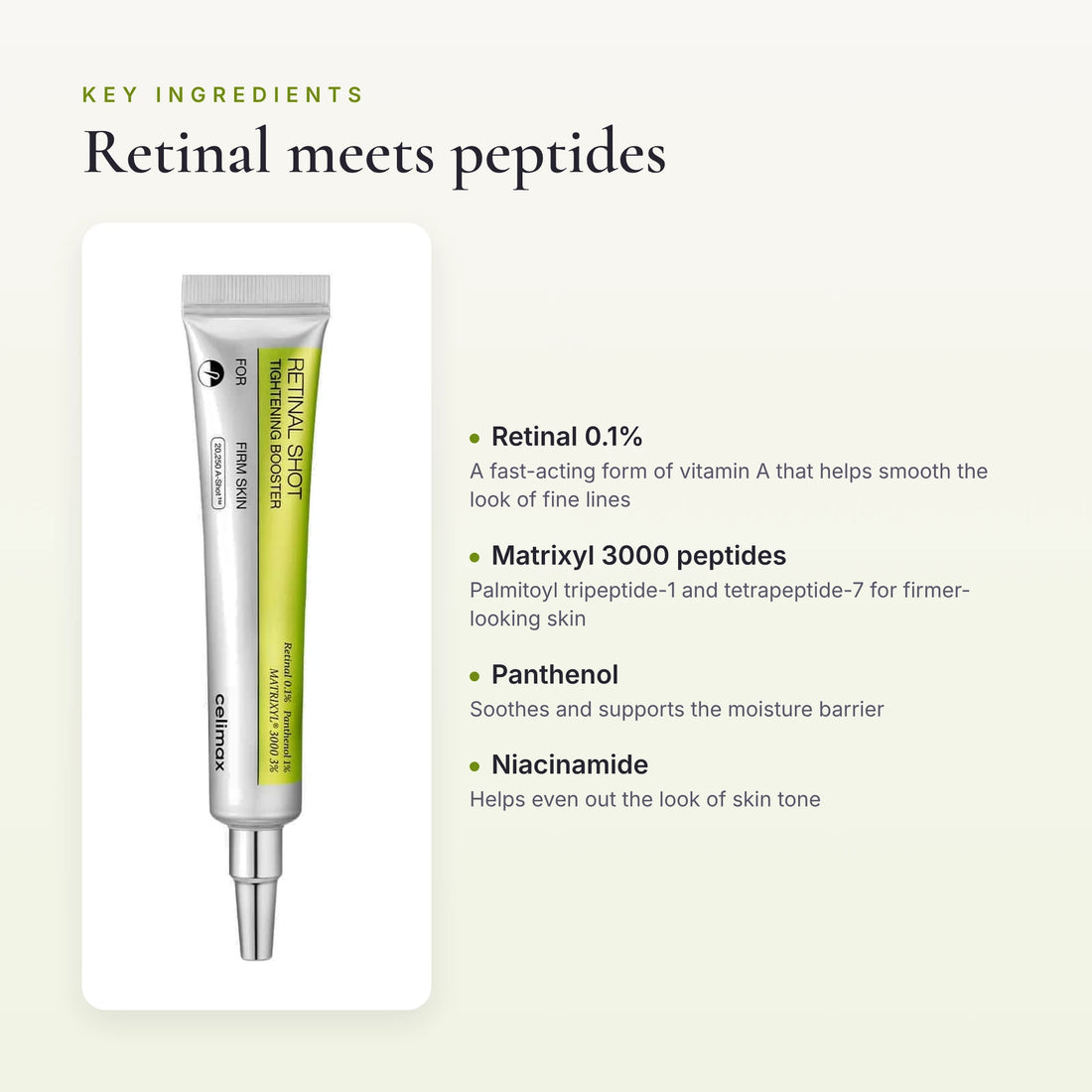 Vendor:The Vita-A Retinal Shot Tightening Boostercelimax
- Regular price
-
From
CHF 16.48 - Sale price
-
From
CHF 16.48 - Translation missing: en.products.product.price.compare_at_price
-
instead of
CHF 22.40
-
Mighty Bamboo Panthenol Cream

 Vendor:Mighty Bamboo Panthenol CreamPurito
- Regular price
-
CHF 12.95 - Sale price
-
CHF 12.95 - Translation missing: en.products.product.price.compare_at_price
-
instead of
CHF 18.80
-
Relief Sun Aqua Fresh Rice + B5

 Vendor:Relief Sun Aqua Fresh Rice + B5Beauty of Joseon
- Regular price
-
CHF 15.45 - Sale price
-
CHF 15.45 - Translation missing: en.products.product.price.compare_at_price
-
instead of
CHF 24.90
-
Advanced Snail 96 Mucin Power Essence

 Vendor:Advanced Snail 96 Mucin Power EssenceCOSRX
- Regular price
-
CHF 11.95 - Sale price
-
CHF 11.95 - Translation missing: en.products.product.price.compare_at_price
-
instead of
CHF 18.70
-
The Vita-A Retinol Shot Tightening Serum

 Vendor:The Vita-A Retinol Shot Tightening Serumcelimax
- Regular price
-
From
CHF 16.52 - Sale price
-
From
CHF 16.52 - Translation missing: en.products.product.price.compare_at_price
-
instead of
CHF 22.90
-
1025 Dokdo Cleanser

 Vendor:1025 Dokdo CleanserROUND LAB
- Regular price
-
CHF 14.03 - Sale price
-
CHF 14.03 - Translation missing: en.products.product.price.compare_at_price
-
instead of
CHF 22.00
-
345 Relief Cream Mist

 Vendor:345 Relief Cream MistDr. Althea
- Regular price
-
From
CHF 14.03 - Sale price
-
From
CHF 14.03 - Translation missing: en.products.product.price.compare_at_price
-
instead of
CHF 24.90
-
Oat-In Calming Gel Cream

 Vendor:Oat-In Calming Gel CreamPurito
- Regular price
-
CHF 14.65 - Sale price
-
CHF 14.65 - Translation missing: en.products.product.price.compare_at_price
-
instead of
CHF 19.90


Read more on our blog
See also
- Centella AsiaticaCentella Asiatica, known in Korea as “cica”, is a medicinal plant from Asia. In skincare it calms red, irri...→
- CeramidesCeramides are the skin’s own lipids that sit between skin cells like mortar. They keep the skin barrier int...→
- Hyaluronic AcidHyaluronic acid is the body’s own moisture reservoir and can bind large amounts of water. In skincare it pl...→
- RetinolRetinol is a form of vitamin A and one of the most effective anti-ageing ingredients. It speeds up cell ren...→
- EctoinEctoin is a protective molecule made by bacteria that live in extremely salty environments. In skincare it ...→
Panthenol in your routine
Discover all 347 products in «Korean Panthenol Skincare» – 100% authentic, shipped from Lucerne.