

Vitamin C
Also known as: Ascorbic acid, L-ascorbic acid, ascorbyl glucoside, ethyl ascorbic acid
Vitamin C is a powerful antioxidant that protects the skin from free radicals, fades dark spots and supports collagen production. The result: a radiant, even complexion.
Contents
What is vitamin C?
Vitamin C occurs naturally in the skin, but it is quickly used up by UV radiation, pollution and stress. The body cannot produce it itself. In skincare it is therefore applied directly – either as pure ascorbic acid (L-ascorbic acid) or as a more stable derivative, for example:
- Ascorbyl glucoside and sodium ascorbyl phosphate – mild and stable, ideal for sensitive skin
- Ethyl ascorbic acid – stable and effective
- Ascorbyl tetraisopalmitate – oil-soluble, often found in creams and oils
Pure ascorbic acid is the most potent, but it is sensitive to light, air and heat and can irritate sensitive skin.
How does vitamin C work on the skin?
- Antioxidant protection: Vitamin C neutralises free radicals that are formed by UV radiation and environmental stress and accelerate skin ageing.
- Dark spots: It slows down melanin production and fades sun spots and post-acne marks.
- Collagen production: The skin needs vitamin C to build its own collagen.
- Glow: The complexion looks fresher, brighter and more even.
Which skin types is vitamin C suitable for?
- dull, tired skin – see Glow skincare
- skin with dark spots and post-acne marks – see Dark spots
- mature skin with first wrinkles
- sensitive skin – best to start with mild vitamin C derivatives
How to use vitamin C
Vitamin C works best as protection during the day:
- In the morning, cleanse your face and apply a toner.
- Apply the vitamin C serum to dry skin.
- Finish with a cream and always with sunscreen – vitamin C and sun protection boost each other.
Store vitamin C serums in a dark place and tightly closed. If a serum turns noticeably orange or brown, it has lost its effectiveness.
What can you combine vitamin C with?
- Hyaluronic acid for hydration
- Vitamin E and ferulic acid – stabilise vitamin C and enhance its protective effect
- Niacinamide – modern formulas work well together; if you notice redness, use them at different times of day
- Ceramides and panthenol for sensitive skin
Take care when using pure ascorbic acid at the same time as retinol, strong AHA or BHA peels and copper peptides. The simple solution: vitamin C in the morning, retinol and acids in the evening.
Vitamin C in Korean skincare
In K-beauty, vitamin C often comes in mild, stable forms – in serums, toners, toner pads and capsule creams. Combinations with glutathione, niacinamide or tranexamic acid for a bright, even complexion are popular, for example in medicube’s Deep Vita C line or Goodal’s Green Tangerine products. Our Korean vitamin C skincare collection has more than 150 products.
What does the research say?
Vitamin C is one of the best-studied antioxidants. Studies show that pure ascorbic acid penetrates the skin best at a low pH below 3.5 and at concentrations between 10 and 20% (Pinnell et al., Dermatologic Surgery, 2001). Combining it with vitamin E and ferulic acid improves stability and protection (Lin et al., Journal of Investigative Dermatology, 2005). Milder derivatives work more slowly but are often the better choice for sensitive skin.
Frequently asked questions
Morning or evening – when should I use vitamin C?
Why does my vitamin C serum change colour?
Can I combine vitamin C with niacinamide?
Is vitamin C suitable for sensitive skin?
How long does vitamin C take to work on dark spots?
Popular products
-
Deep Vita C Capsule Cream

 Vendor:Deep Vita C Capsule Creammedicube
- Regular price
-
CHF 19.42 - Sale price
-
CHF 19.42 - Translation missing: en.products.product.price.compare_at_price
-
instead of
CHF 25.90
-
SEOUL 1988 Eye Cream: Retinal Liposome 4% + Fermented Bean
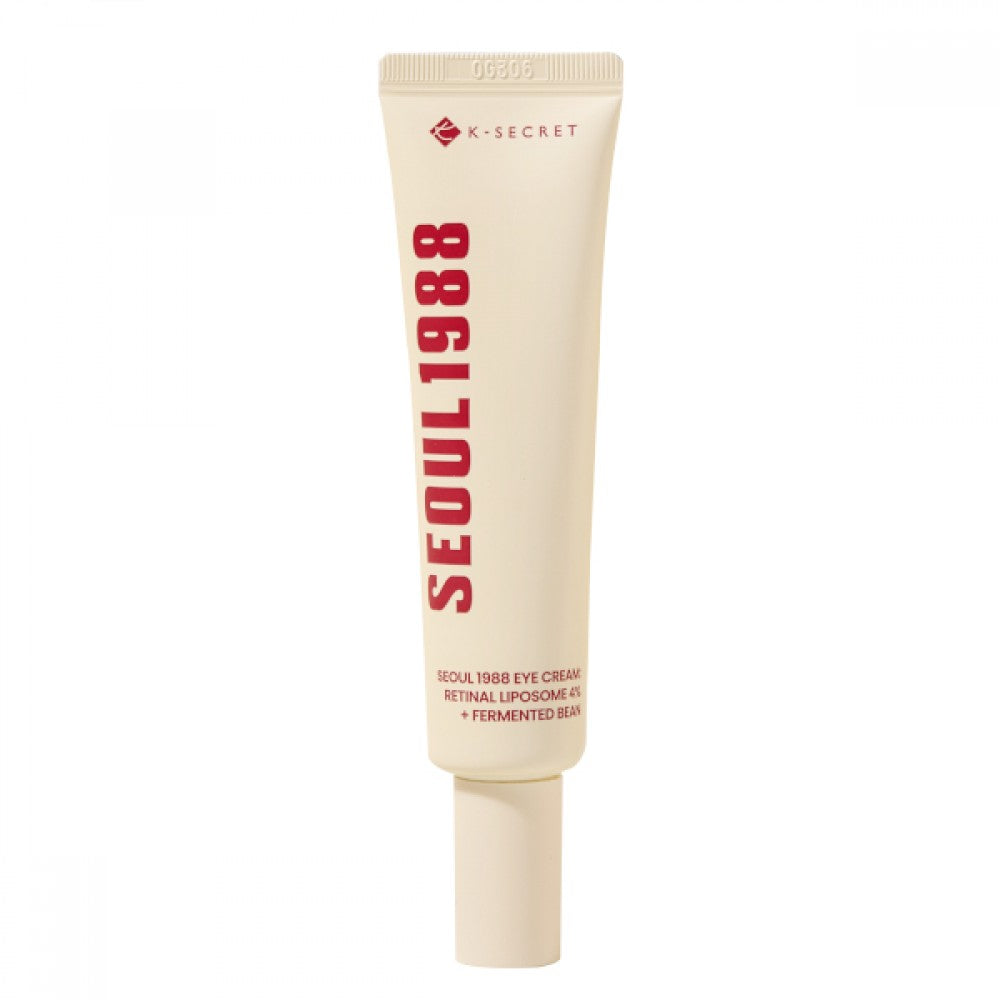
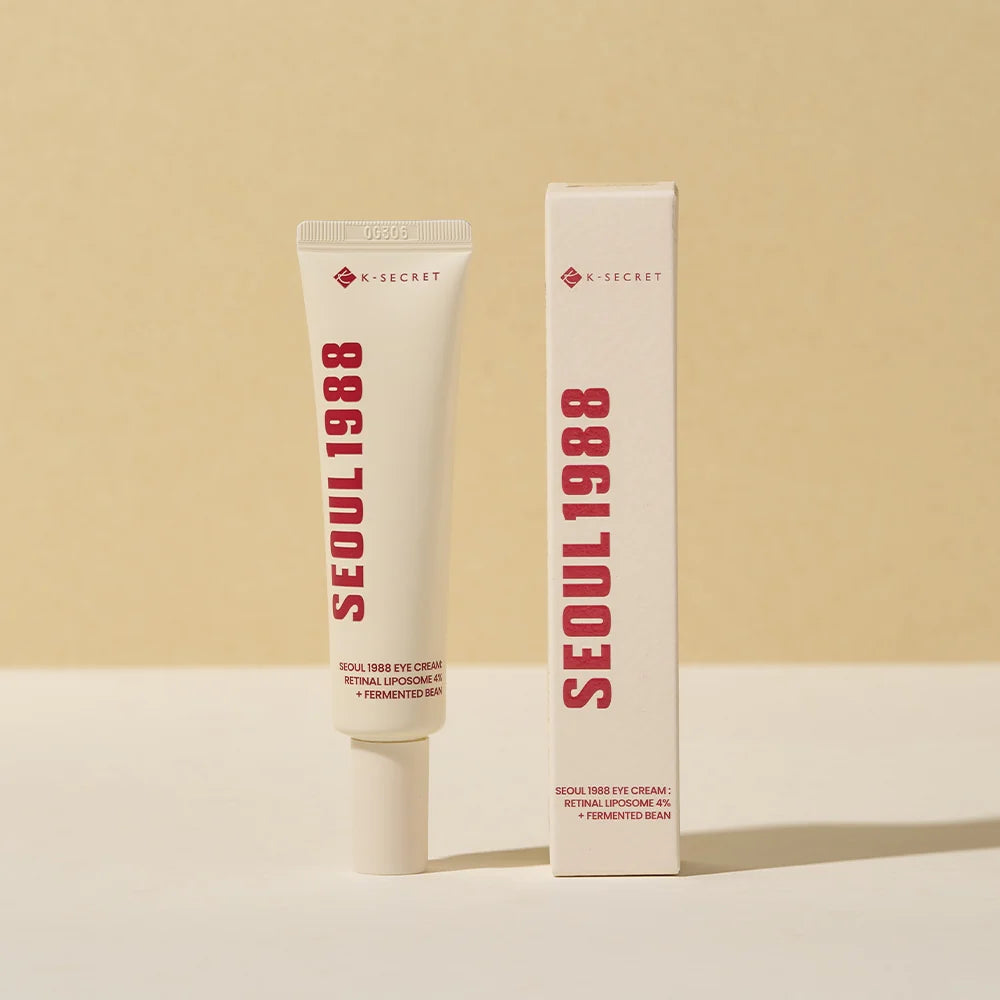 Vendor:SEOUL 1988 Eye Cream: Retinal Liposome 4% + Fermented BeanKSECRET
- Regular price
-
CHF 12.20 - Sale price
-
CHF 12.20 - Translation missing: en.products.product.price.compare_at_price
-
instead of
CHF 18.90
-
Birch Juice Moisturising Sunscreen

 Vendor:Birch Juice Moisturising SunscreenROUND LAB
- Regular price
-
CHF 14.03 - Sale price
-
CHF 14.03 - Translation missing: en.products.product.price.compare_at_price
-
instead of
CHF 22.00
-
Vitamin C Booster Shot
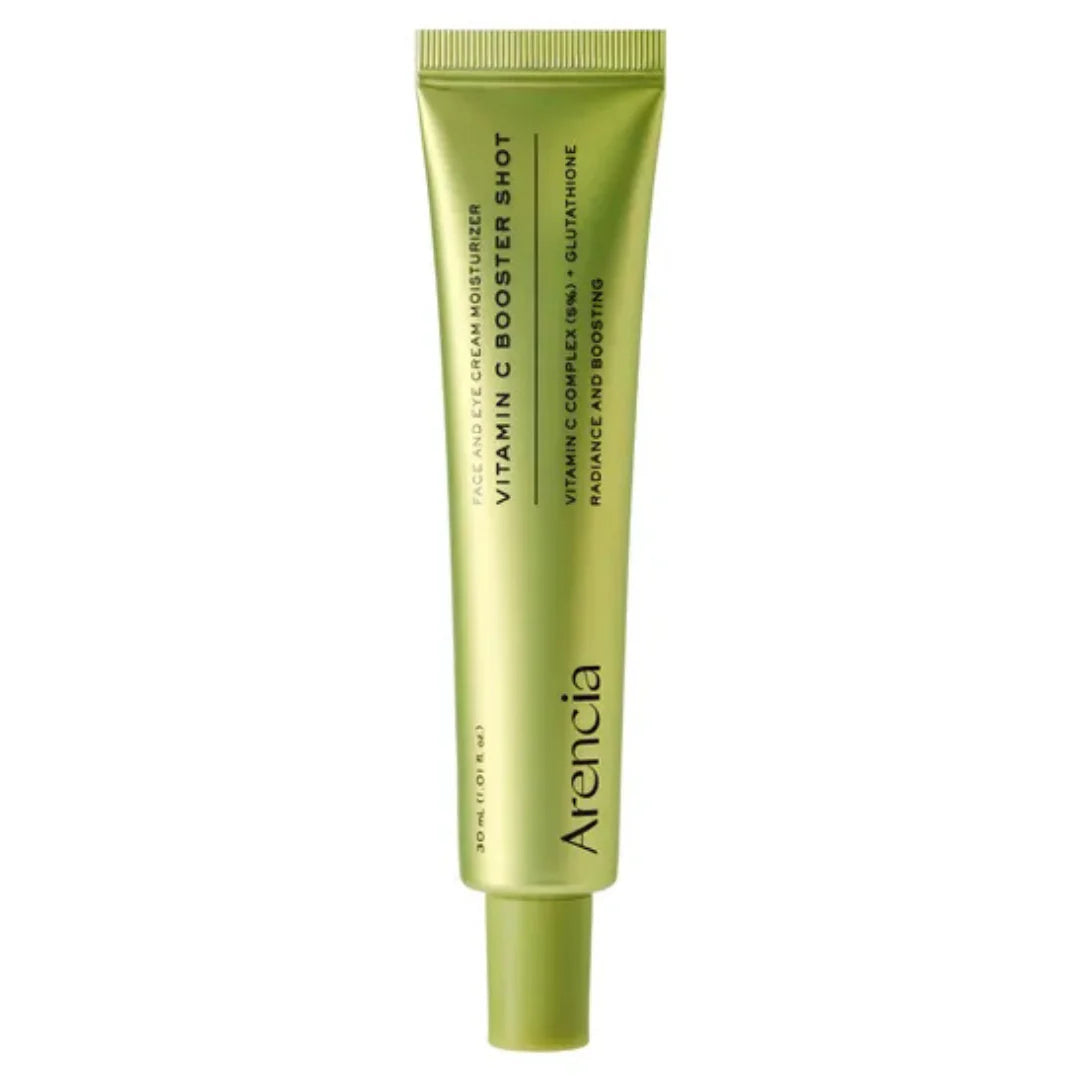
 Vendor:Vitamin C Booster ShotArencia
- Regular price
-
CHF 13.36 - Sale price
-
CHF 13.36 - Translation missing: en.products.product.price.compare_at_price
-
instead of
CHF 17.90
-
Vitamin C Boosting Serum

 Vendor:Vitamin C Boosting SerumDr. Althea
- Regular price
-
CHF 16.48 - Sale price
-
CHF 16.48 - Translation missing: en.products.product.price.compare_at_price
-
instead of
CHF 25.80
-
Kojic Acid Turmeric Brightening Gel Mask
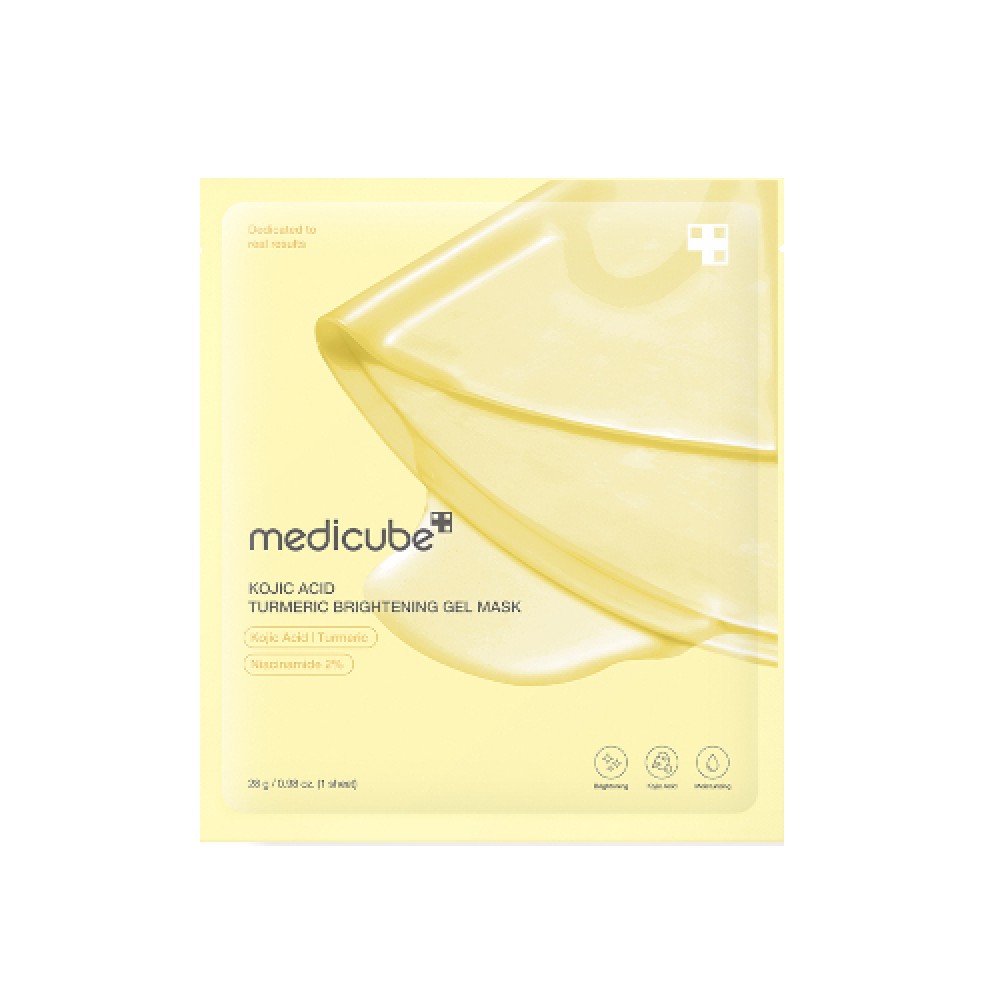
 Vendor:Kojic Acid Turmeric Brightening Gel Maskmedicube
- Regular price
-
CHF 4.07 - Sale price
-
CHF 4.07 - Translation missing: en.products.product.price.compare_at_price
-
instead of
CHF 6.40
-
Energy Mask - 10 Types

 Vendor:Energy Mask - 10 Typesinnisfree
- Regular price
-
CHF 1.83 - Sale price
-
CHF 1.83 - Translation missing: en.products.product.price.compare_at_price
-
instead of
CHF 2.90
-
SEOUL 1988 Cream: Retinal Liposome 1% + Fermented Rice
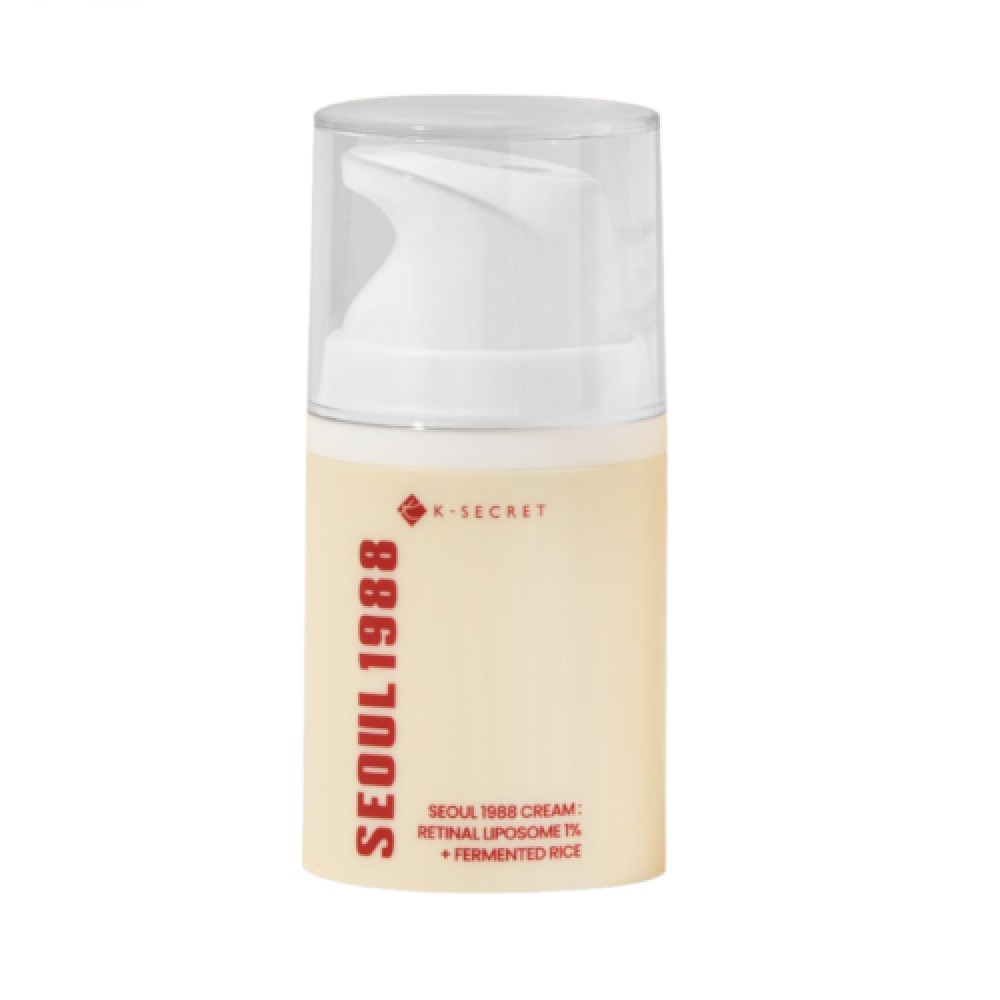
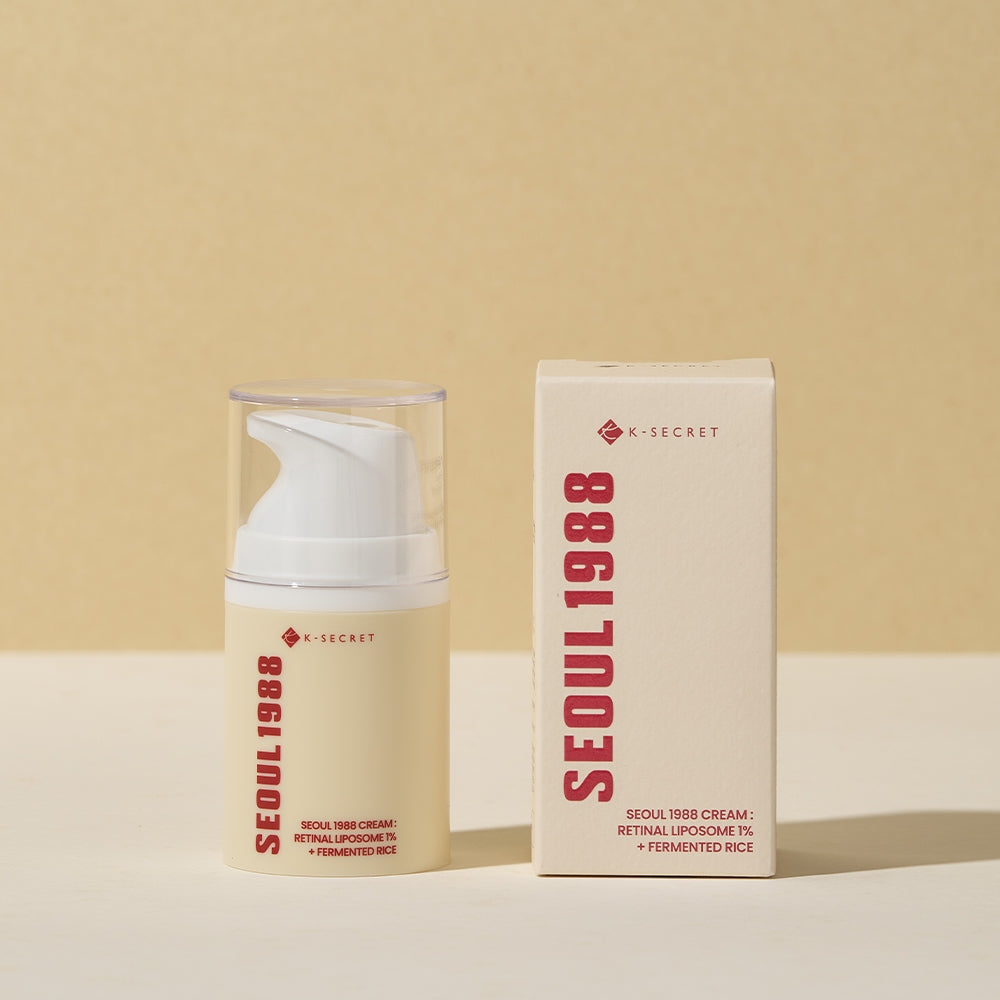 Vendor:SEOUL 1988 Cream: Retinal Liposome 1% + Fermented RiceKSECRET
- Regular price
-
CHF 16.10 - Sale price
-
CHF 16.10 - Translation missing: en.products.product.price.compare_at_price
-
instead of
CHF 21.90


See also
- NiacinamideNiacinamide is a form of vitamin B3 and one of the most versatile skincare ingredients. It refines pores, r...→
- AHAAHA stands for alpha hydroxy acids, also known as fruit acids. They loosen dead skin cells from the surface...→
- Azelaic AcidAzelaic acid is a gentle all-rounder against blemishes, redness and dark spots. It is antibacterial, anti-i...→
- RetinolRetinol is a form of vitamin A and one of the most effective anti-ageing ingredients. It speeds up cell ren...→
- Tranexamic AcidTranexamic acid (TXA) is an active ingredient for dark spots, melasma and post-acne marks. It slows down th...→
- Alpha ArbutinAlpha arbutin is a brightening active for dark spots and post-acne marks. It slows down tyrosinase, the enz...→
- GlutathioneGlutathione is an antioxidant made by the body from three amino acids. In skincare it is used to brighten t...→
Vitamin C in your routine
Discover all 150 products in «Korean Vitamin C Skincare» – 100% authentic, shipped from Lucerne.