Tea Tree Oil
Also known as: Melaleuca alternifolia leaf oil, tea tree water, tea tree extract
Tea tree oil is extracted from the leaves of the Australian tea tree. It has antibacterial and anti-inflammatory properties and is one of the best-known plant-based ingredients for spots and blemishes – in the right dose and never undiluted.
Contents
What is tea tree oil?
Tea tree oil is an essential oil obtained by steam distillation from the leaves of the Australian tea tree (Melaleuca alternifolia). Its main active component is called terpinen-4-ol. In skincare you’ll come across it in two forms:
- Tea tree oil (INCI: Melaleuca Alternifolia Leaf Oil) – the concentrated essential oil, used only in low doses in cosmetics
- Tea tree extract or tea tree water (Leaf Extract, Leaf Water) – much milder and typical of Korean products
How does tea tree oil work on the skin?
- Antibacterial: In the lab, tea tree oil inhibits the growth of the acne bacterium Cutibacterium acnes.
- Anti-inflammatory: It soothes red, inflamed spots.
- Clarifying: Blemishes dry out faster and the skin looks more balanced.
Which skin types is tea tree oil suitable for?
- blemish-prone skin and mild acne – see Skincare for acne & blemishes
- oily and combination skin – see Oil & pores
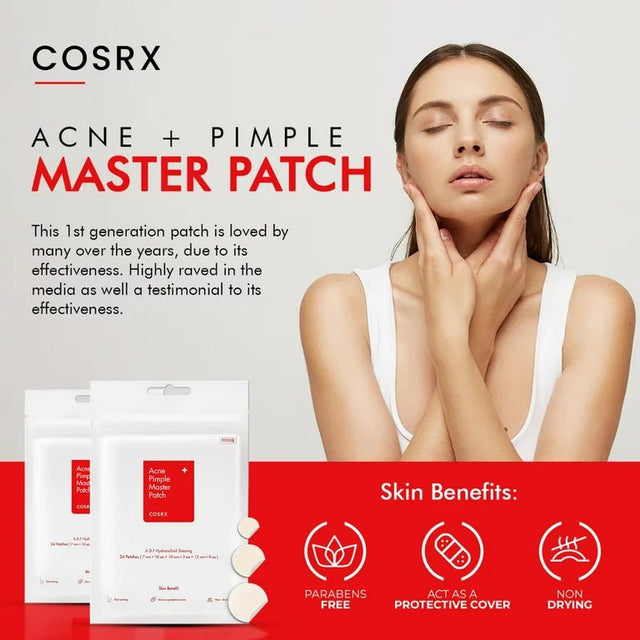
- individual spots – as a spot treatment or together with pimple patches
Take care if your skin is very dry or sensitive or if you have eczema. Tea tree oil can trigger allergic reactions – especially when the oil is old and oxidised. Always test new products on a small patch of skin first.
How to use tea tree oil
- Never apply pure essential tea tree oil undiluted to your skin – choose ready-made products with a safe concentration instead.
- Use tea tree products such as toner, serum or cream as part of your normal routine, morning and evening.
- For individual spots, spot treatments that you dab on precisely work well.
- Finish with soothing care, for example with panthenol or ceramides – tea tree oil can dry out the skin.
What can you combine tea tree oil with?
- Centella asiatica adds extra soothing – a popular combination in Korea
- Niacinamide regulates sebum and strengthens the skin barrier
- Azelaic acid works against spots and post-acne marks
- Panthenol offsets drying effects
Combined with retinol, AHA or BHA, tea tree oil can irritate the skin more. If your skin is sensitive, it’s better not to use them in the same routine but to alternate them.
Tea tree oil in Korean skincare
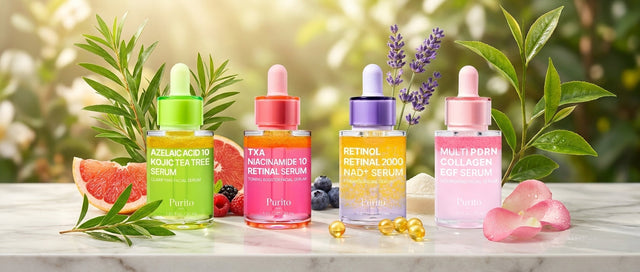
Korean brands mostly use mild tea tree water or low-dose tea tree oil and combine it with soothing ingredients such as centella. Examples from our range: the Madagascar Centella Tea-Trica Purifying Toner from SKIN1004 with tea tree water and BHA, the Tea Tree Relief Serum from iUNIK with 67% tea tree water and centella, the Tea Tree Cica Soothing Cream from BRING GREEN, the Azelaic Acid 10 Kojic Tea Tree Serum from Purito and the Madeca Powder Tea Tree AC from Centellian24 for targeted spot care. You’ll find more products for blemishes in our Skincare for acne & blemishes collection.
What does the research say?
Tea tree oil is one of the best-studied plant ingredients for acne. In a study with 124 participants, a 5% tea tree oil gel clearly reduced the number of inflamed and non-inflamed spots – as did a 5% benzoyl peroxide lotion. Tea tree oil took longer to work but caused fewer side effects (Bassett et al., Medical Journal of Australia, 1990). A placebo-controlled study showed that a 5% tea tree oil gel was significantly more effective than a gel without active ingredient in mild to moderate acne after 45 days (Enshaieh et al., Indian Journal of Dermatology, Venereology and Leprology, 2007).
Frequently asked questions
Can I dab pure tea tree oil on spots?
Is tea tree oil suitable for sensitive skin?
How quickly does tea tree oil work on spots?
Can I combine tea tree oil with BHA or retinol?
Popular products
-
Madagascar Centella Tea-Trica Purifying Toner

 Vendor:Madagascar Centella Tea-Trica Purifying TonerSKIN1004
- Regular price
-
CHF 16.52 - Sale price
-
CHF 16.52 - Translation missing: en.products.product.price.compare_at_price
-
instead of
CHF 25.90
-
Tea Tree Relief Serum

 Vendor:Tea Tree Relief SerumiUNIK
- Regular price
-
CHF 17.35 - Sale price
-
CHF 17.35 - Translation missing: en.products.product.price.compare_at_price
-
instead of
CHF 27.20
-
Tea Tree Cica Soothing Cream

 Vendor:Tea Tree Cica Soothing CreamBRING GREEN
- Regular price
-
CHF 16.52 - Sale price
-
CHF 16.52 - Translation missing: en.products.product.price.compare_at_price
-
instead of
CHF 25.90
-
Azelaic Acid 10 Kojic Tea Tree Serum

 Vendor:Azelaic Acid 10 Kojic Tea Tree SerumPurito
- Regular price
-
CHF 17.93 - Sale price
-
CHF 17.93 - Translation missing: en.products.product.price.compare_at_price
-
instead of
CHF 24.90
-
Madeca Powder Tea Tree AC

 Vendor:Madeca Powder Tea Tree ACCentellian24
- Regular price
-
CHF 20.67 - Sale price
-
CHF 20.67 - Translation missing: en.products.product.price.compare_at_price
-
instead of
CHF 32.40
-
Madagascar Centella Tea-Trica Mild Peeling Gel

 Vendor:Madagascar Centella Tea-Trica Mild Peeling GelSKIN1004
- Regular price
-
CHF 12.28 - Sale price
-
CHF 12.28 - Translation missing: en.products.product.price.compare_at_price
-
instead of
CHF 19.20
-
Madagascar Centella Tea-Trica Relaxing Mask

 Vendor:Madagascar Centella Tea-Trica Relaxing MaskSKIN1004
- Regular price
-
From
CHF 2.45 - Sale price
-
From
CHF 2.45 - Translation missing: en.products.product.price.compare_at_price
-
instead of
CHF 3.80
-
Airy Fit Sheet Masks - All Variations
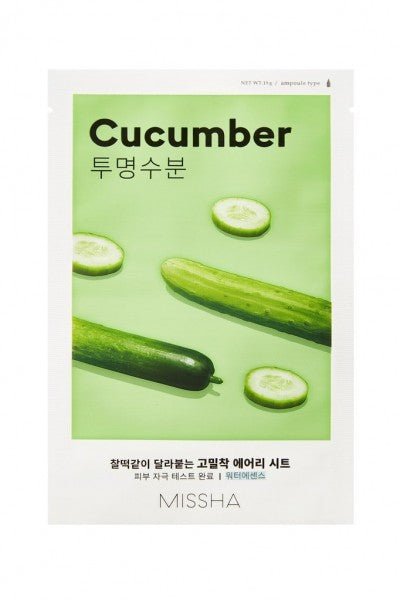
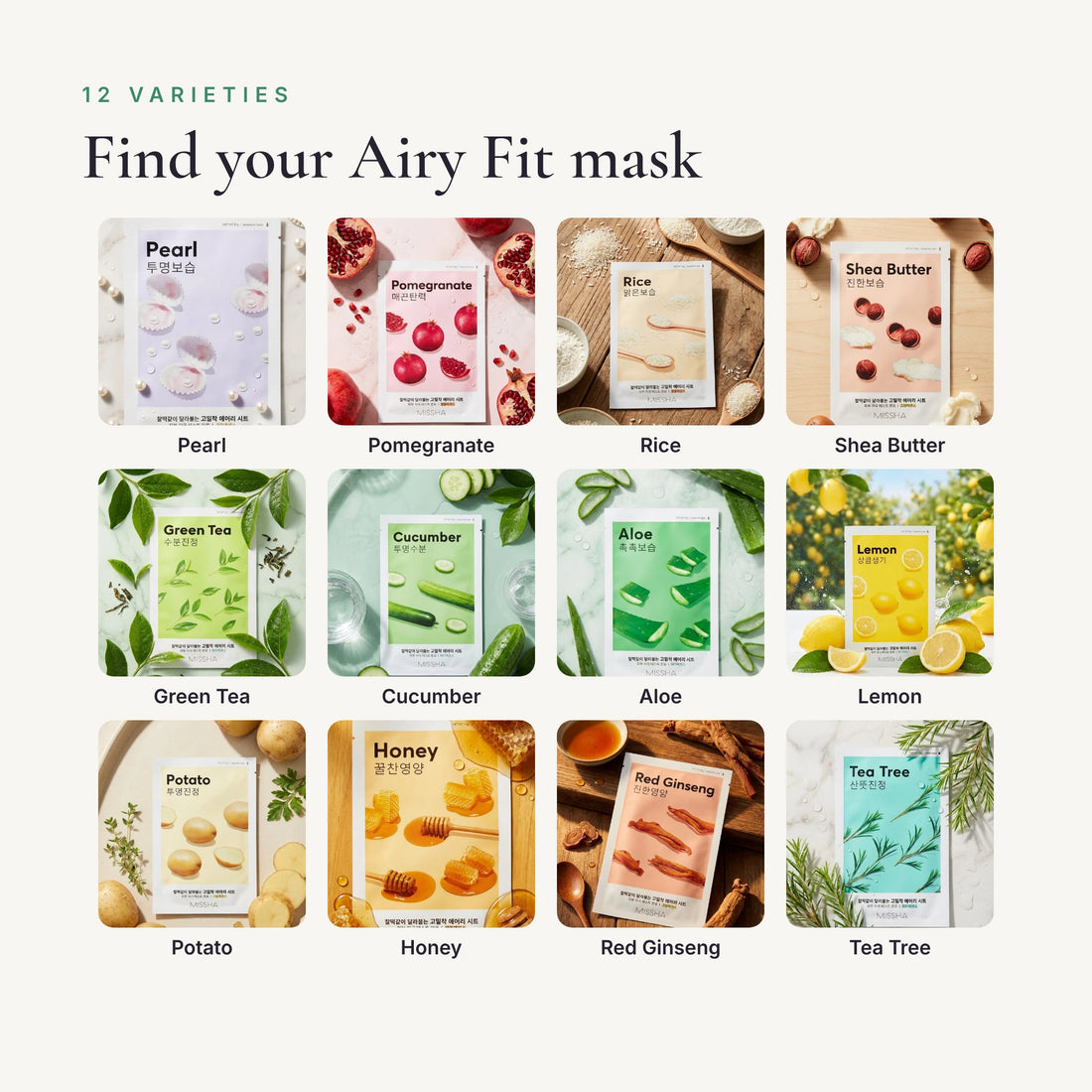 Vendor:Airy Fit Sheet Masks - All VariationsMISSHA
- Regular price
-
From
CHF 1.20 - Sale price
-
From
CHF 1.20 - Translation missing: en.products.product.price.compare_at_price
-
instead of
CHF 1.90


Read more on our blog
See also
- BHABHA stands for beta hydroxy acid – in skincare almost always salicylic acid. It is oil-soluble, penetrates ...→
- Azelaic AcidAzelaic acid is a gentle all-rounder against blemishes, redness and dark spots. It is antibacterial, anti-i...→
- Centella AsiaticaCentella Asiatica, known in Korea as “cica”, is a medicinal plant from Asia. In skincare it calms red, irri...→
- NiacinamideNiacinamide is a form of vitamin B3 and one of the most versatile skincare ingredients. It refines pores, r...→
- PropolisPropolis is a resinous material bees use to seal their hive. In skincare it is soothing, antioxidant and an...→
- Pimple PatchPimple patches are small hydrocolloid stickers for individual spots. They absorb fluid, protect the spot fr...→
- MugwortMugwort (ssuk in Korean) is a traditional Korean medicinal plant. In skincare it soothes irritated, red ski...→
Tea Tree Oil in your routine
Discover all 426 products in «Korean Skincare for Acne-Prone & Blemished Skin» – 100% authentic, shipped from Lucerne.