

Green Tea
Also known as: Camellia sinensis leaf extract, EGCG, matcha
Green tea is rich in antioxidant polyphenols such as EGCG. It protects the skin from environmental stress, soothes redness and can help balance oil production – a classic of Korean skincare, especially for oily and blemish-prone skin.
Contents
What is green tea in skincare?
Green tea comes from the leaves of the tea plant Camellia sinensis. Because the leaves are not fermented, they contain particularly high levels of polyphenols – above all catechins. The best-known and most studied catechin is EGCG (epigallocatechin gallate). On ingredient lists you’ll find green tea as Camellia Sinensis Leaf Extract or as green tea water (Camellia Sinensis Leaf Water), for example.
Green tea seed oil (Camellia Sinensis Seed Oil) is something different: it is obtained from the seeds, contains far fewer catechins than the leaf extract and is mainly nourishing and replenishing.
How does green tea work on the skin?
- Antioxidant: The catechins neutralise free radicals caused by UV radiation and pollution – helping to protect against premature skin ageing.
- Soothing: Green tea has anti-inflammatory properties and calms redness.
- Balancing for oily skin: EGCG can help regulate sebum production – the skin looks less shiny.
- Against blemishes: In the lab, EGCG inhibits the acne bacterium Cutibacterium acnes.
Which skin types is green tea suitable for?
- oily and combination skin – see Oil & pores
- blemish-prone skin – see Skincare for acne & blemishes
- stressed, sensitive skin – see Care for sensitive skin
- tired eyes – as cooling care in eye patches
Green tea is considered very well tolerated and suits almost every skin type.
How to use green tea
Green tea is found in almost every type of product – from cleansers and toners to serums and sunscreens. It’s especially useful in the morning: as an antioxidant, it complements your sunscreen – but it can’t replace it.
- Use a green tea cleanser or toner for fresh, balanced skin.
- Pat in a green tea serum after your toner or essence.
- Finish with a cream – and with sunscreen in the morning.
What can you combine green tea with?
- Niacinamide – a strong duo against shine and large pores
- Vitamin C – two antioxidants that complement each other
- Hyaluronic acid – light hydration for oily skin
- Tea tree oil and centella asiatica – for blemishes and redness
Green tea in Korean skincare
Green tea has been grown on the South Korean island of Jeju for decades – no wonder it’s one of the classics of K-beauty. Popular picks include the Calming Serum Green Tea + Panthenol from Beauty of Joseon, the Green Tea Seed Hyaluronic Serum and matching cream from innisfree, the Vitamin C Green Tea Enzyme Brightening Serum from innisfree, the Green Tea Fresh Sunscreen from Dr. Althea with green tea and centella, and the Bye Bye Blackhead Green Tea Tox Bubble Cleanser from SOME BY MI for blackheads.
What does the research say?
Green tea polyphenols are among the most intensively researched plant antioxidants. For blemish-prone skin, a study by Korean and American researchers is particularly interesting: EGCG applied to the skin improved acne in a clinical study, and in the lab it also inhibited sebum production in skin cells as well as the acne bacterium (Yoon et al., Journal of Investigative Dermatology, 2013).
Frequently asked questions
Does green tea help with spots?
What is the difference between green tea extract and green tea seed oil?
Can green tea replace sunscreen?
Is matcha in cosmetics the same as green tea?
Popular products
-
Calming Serum: Green Tea + Panthenol

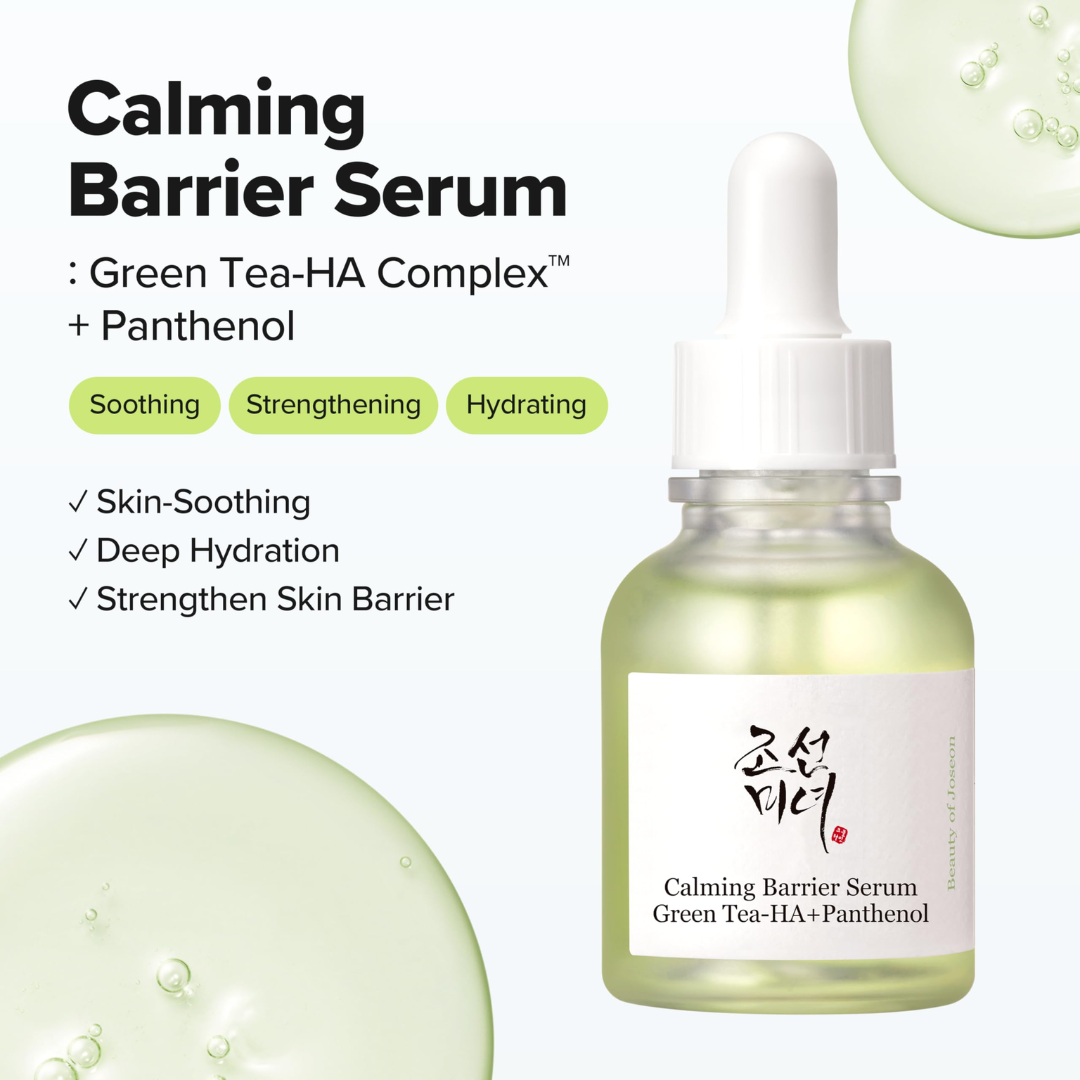 Vendor:Calming Serum: Green Tea + PanthenolBeauty of Joseon
- Regular price
-
From
CHF 13.40 - Sale price
-
From
CHF 13.40 - Translation missing: en.products.product.price.compare_at_price
-
instead of
CHF 21.00
-
Green Tea Seed Hyaluronic Serum

 Vendor:Green Tea Seed Hyaluronic Seruminnisfree
- Regular price
-
CHF 23.99 - Sale price
-
CHF 23.99 - Translation missing: en.products.product.price.compare_at_price
-
instead of
CHF 37.60
-
Green Tea Seed Hyaluronic Cream

 Vendor:Green Tea Seed Hyaluronic Creaminnisfree
- Regular price
-
CHF 19.84 - Sale price
-
CHF 19.84 - Translation missing: en.products.product.price.compare_at_price
-
instead of
CHF 24.45
-
Vitamin C Green Tea Enzyme Brightening Serum

 Vendor:Vitamin C Green Tea Enzyme Brightening Seruminnisfree
- Regular price
-
CHF 24.82 - Sale price
-
CHF 24.82 - Translation missing: en.products.product.price.compare_at_price
-
instead of
CHF 38.90
-
Green Tea Fresh Sunscreen
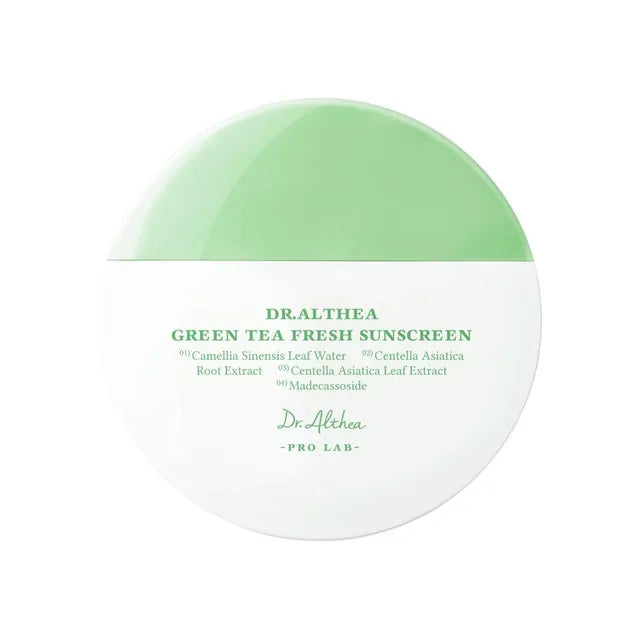
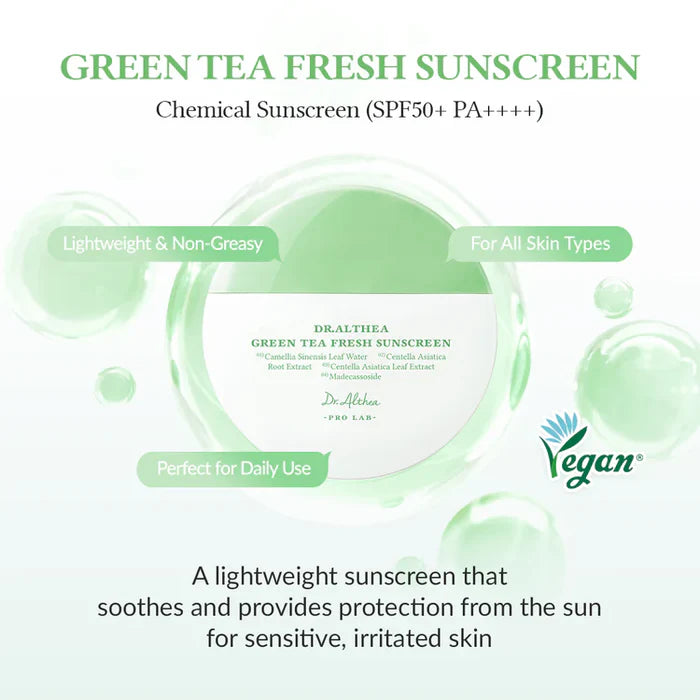 Vendor:Green Tea Fresh SunscreenDr. Althea
- Regular price
-
CHF 15.60 - Sale price
-
CHF 15.60 - Translation missing: en.products.product.price.compare_at_price
-
instead of
CHF 24.40
-
Bye Bye Blackhead 30 Days Miracle Green Tea Tox Bubble Cleanser
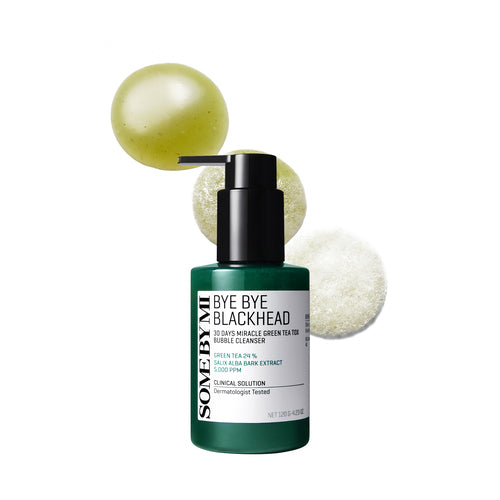
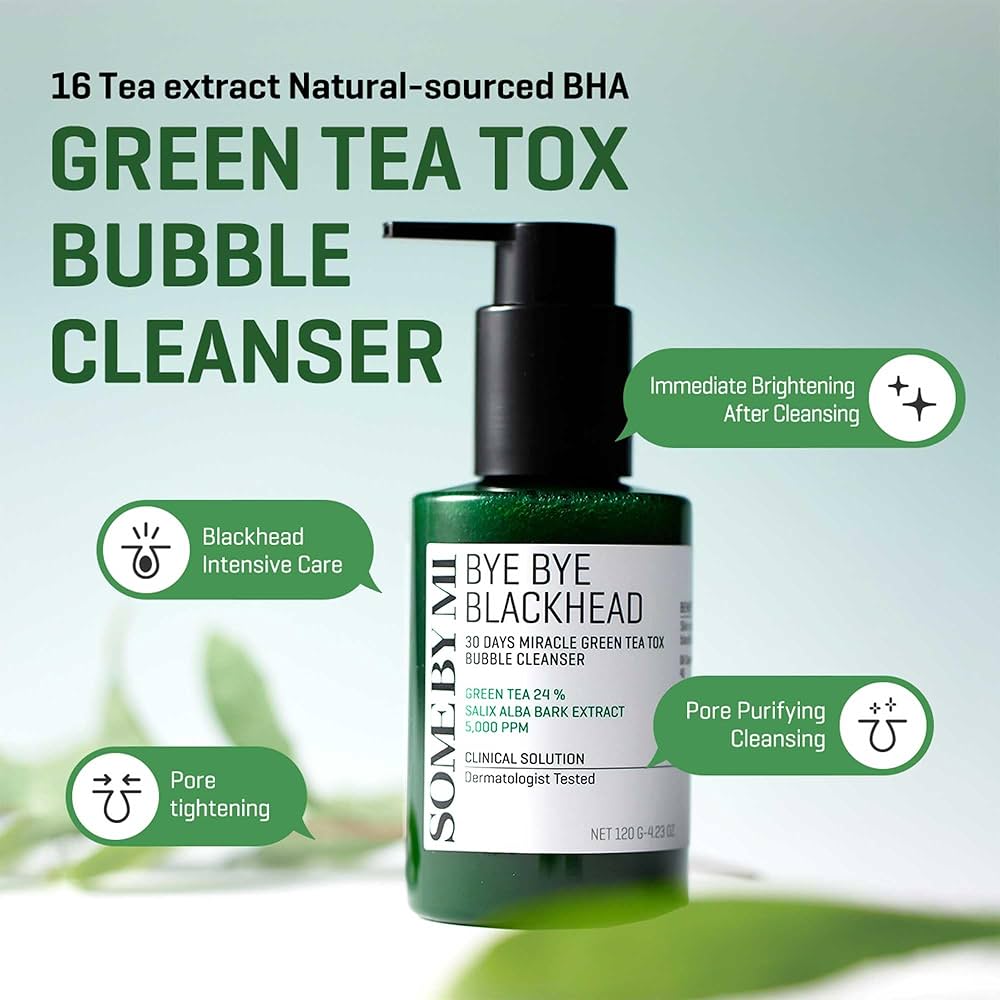 Vendor:Bye Bye Blackhead 30 Days Miracle Green Tea Tox Bubble CleanserSOME BY MI
- Regular price
-
CHF 16.52 - Sale price
-
CHF 16.52 - Translation missing: en.products.product.price.compare_at_price
-
instead of
CHF 25.90
-
Green Tea Amino Hydrating Cleansing Foam

 Vendor:Green Tea Amino Hydrating Cleansing Foaminnisfree
- Regular price
-
CHF 14.86 - Sale price
-
CHF 14.86 - Translation missing: en.products.product.price.compare_at_price
-
instead of
CHF 23.30
-
Hydro Gel Eye Patch Green Tea
 Vendor:Hydro Gel Eye Patch Green TealookATME
- Regular price
-
CHF 5.73 - Sale price
-
CHF 5.73 - Translation missing: en.products.product.price.compare_at_price
-
instead of
CHF 9.00


See also
- Tea Tree OilTea tree oil is extracted from the leaves of the Australian tea tree. It has antibacterial and anti-inflamm...→
- NiacinamideNiacinamide is a form of vitamin B3 and one of the most versatile skincare ingredients. It refines pores, r...→
- Vitamin CVitamin C is a powerful antioxidant that protects the skin from free radicals, fades dark spots and support...→
- Centella AsiaticaCentella Asiatica, known in Korea as “cica”, is a medicinal plant from Asia. In skincare it calms red, irri...→