

Dry Skin
Also known as: Dry skin type, xerosis, tight skin, flaky skin, dehydrated skin
Dry skin produces too little oil and loses moisture more easily. It feels tight, flakes and looks dull. Gentle cleansing, humectants and replenishing care with ceramides strengthen the skin barrier – especially in the Swiss winter.
Contents
What is dry skin?
Dry skin produces too little sebum and too few of its own barrier lipids. This makes its protective layer more permeable: moisture evaporates faster and irritants get in more easily. Typical signs are a tight feeling after washing, fine flakes, rough patches, itching and a dull complexion. Make-up settles into dry areas.
Dry or dehydrated skin?
- Dry skin is a skin type: it mainly lacks oil. It tends to stay dry all year round and rarely looks shiny.
- Dehydrated skin is a condition: it lacks water. It can be shiny and tight at the same time – even oily skin can be dehydrated.
Many people have both. That’s why a good routine combines humectants with replenishing ingredients.
What makes skin dry?
- Winter and central heating: Cold outside and dry air inside are tough on the skin in Switzerland from October to March.
- Water that’s too hot and harsh cleansers strip oils from the skin.
- Age: Over the years, the skin produces less sebum and fewer lipids.
- Too many exfoliants or actives such as retinol without enough moisturising care.
- Skin conditions such as eczema belong in medical hands.
What helps with dry skin?
- Cleanse gently: Lukewarm water and a mild, creamy cleanser or micellar water. In the evening, cleansing once is enough; in the morning, water alone is often fine.
- Bind moisture: Apply hyaluronic acid, glycerin and panthenol to slightly damp skin.
- Rebuild the barrier: Ceramides, cholesterol and fatty acids replace missing lipids. Urea binds moisture and smooths rough patches.
- Seal it in: A rich moisturiser or a few drops of squalane stop the water from evaporating again. On very cold nights, a thin layer of balm as the last step helps.
- Protect: Use sunscreen in winter too.
Exfoliants aren’t off-limits, but use them sparingly: a gentle PHA or lactic acid exfoliant once a week removes flakes without overwhelming the barrier.
Korean skincare for dry skin
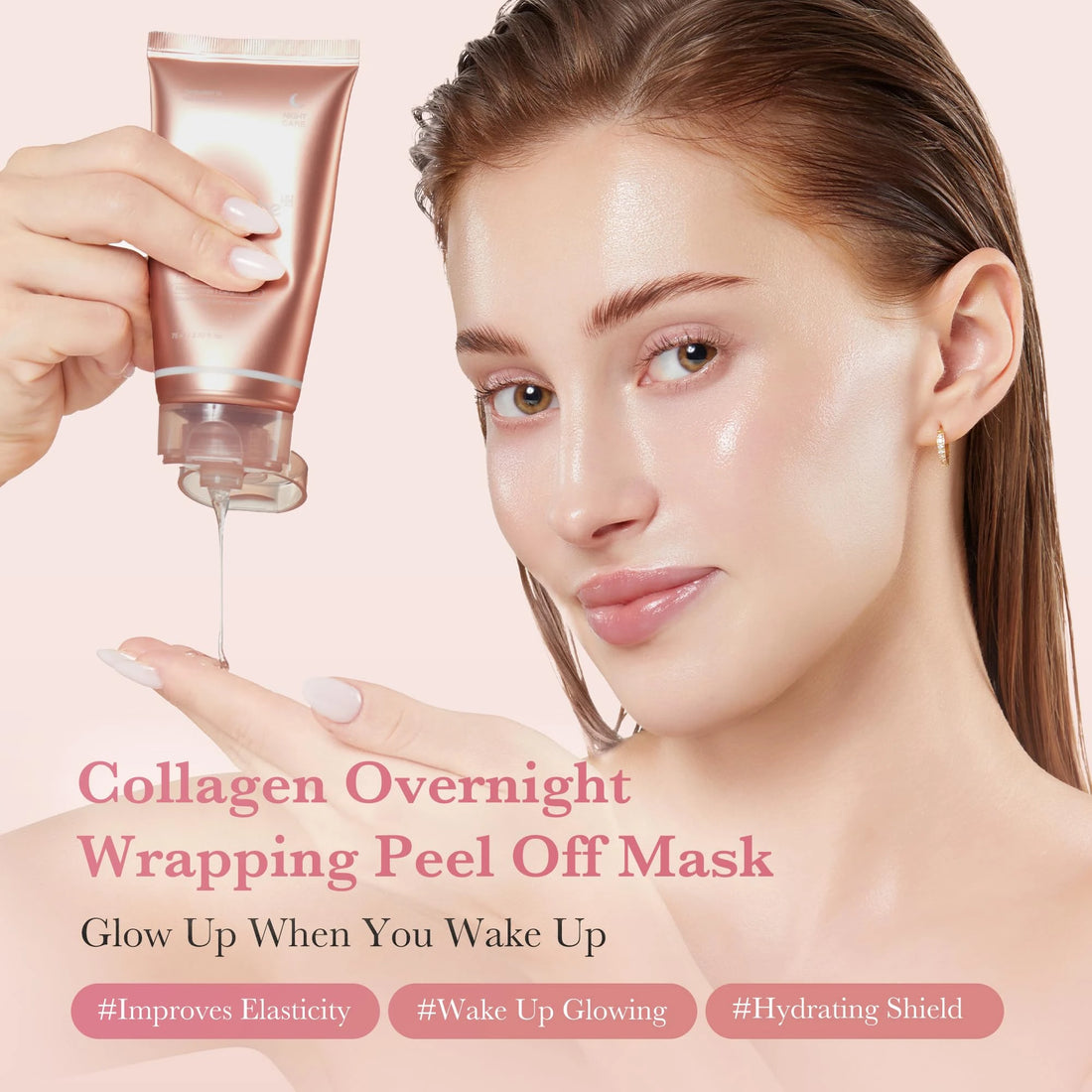
From our range: the 345 Relief Cream by Dr. Althea, the Madeca Cream Time Reverse by Centellian24, the Ceramidin Skin Barrier Moisturizing Cream by Dr. Jart+, the Penta Berry Panthenol Repair Cream by HEVEBLUE, the MLE Cream by ATOPALM and the Collagen Night Wrapping Mask by medicube for the night. You’ll find more in our dryness collection.
What does the research say?
A review shows that regularly applied moisturisers clearly improve dry skin and – depending on their formulation – can also strengthen barrier function. Formulas with humectants such as urea or glycerin are particularly effective (Lodén, American Journal of Clinical Dermatology, 2003).
Frequently asked questions
Why does my skin feel tight after washing?
Is hyaluronic acid enough for dry skin?
Is dry skin in winter normal?
Can I use retinol if I have dry skin?
Popular products
-
345 Relief Cream
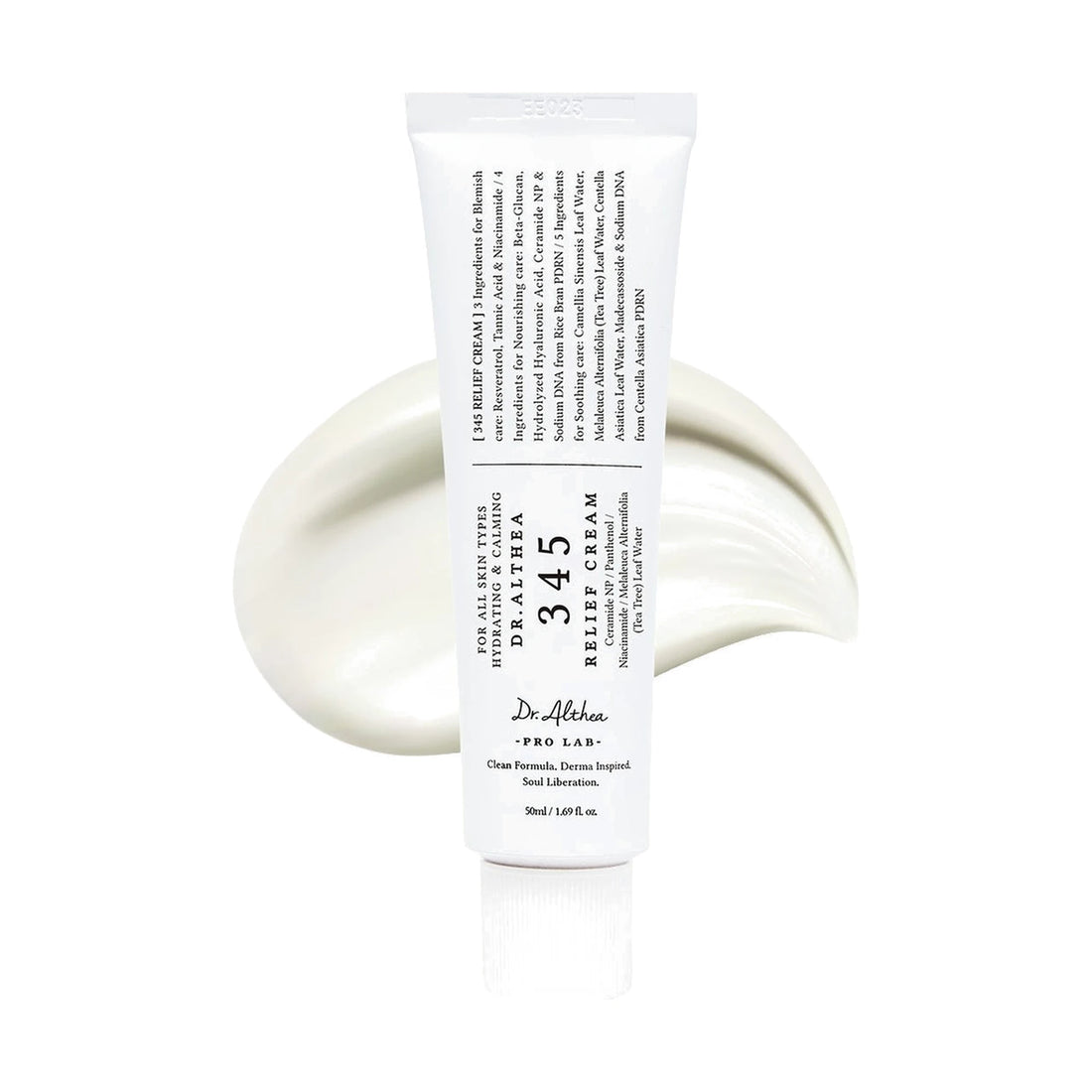
 Vendor:345 Relief CreamDr. Althea
- Regular price
-
CHF 14.65 - Sale price
-
CHF 14.65 - Translation missing: en.products.product.price.compare_at_price
-
instead of
CHF 21.40
-
Madeca Cream Time Reverse

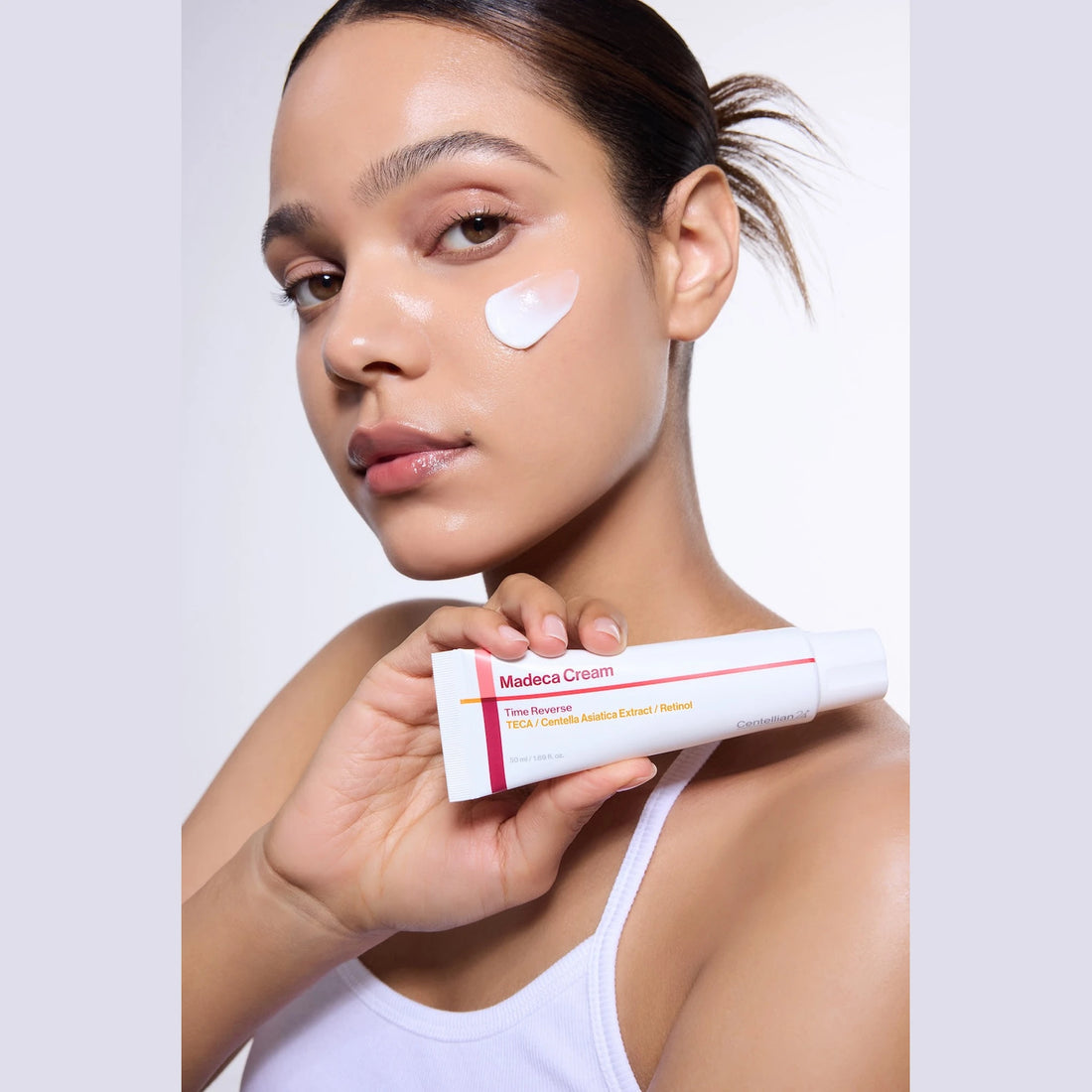 Vendor:Madeca Cream Time ReverseCentellian24
- Regular price
-
CHF 11.54 - Sale price
-
CHF 11.54 - Translation missing: en.products.product.price.compare_at_price
-
instead of
CHF 18.90
-
Ceramidine Skin Barrier Moisturizing Cream

 Vendor:Ceramidine Skin Barrier Moisturizing CreamDr. Jart+
- Regular price
-
CHF 24.82 - Sale price
-
CHF 24.82 - Translation missing: en.products.product.price.compare_at_price
-
instead of
CHF 38.90
-
Penta Berry Panthenol Repair Cream

 Vendor:Penta Berry Panthenol Repair CreamHEVEBLUE
- Regular price
-
CHF 24.82 - Sale price
-
CHF 24.82 - Translation missing: en.products.product.price.compare_at_price
-
instead of
CHF 38.90
-
Collagen Jelly Cream

 Vendor:Collagen Jelly Creammedicube
- Regular price
-
From
CHF 14.03 - Sale price
-
From
CHF 14.03 - Translation missing: en.products.product.price.compare_at_price
-
instead of
CHF 22.00
-
Collagen Night Wrapping Mask
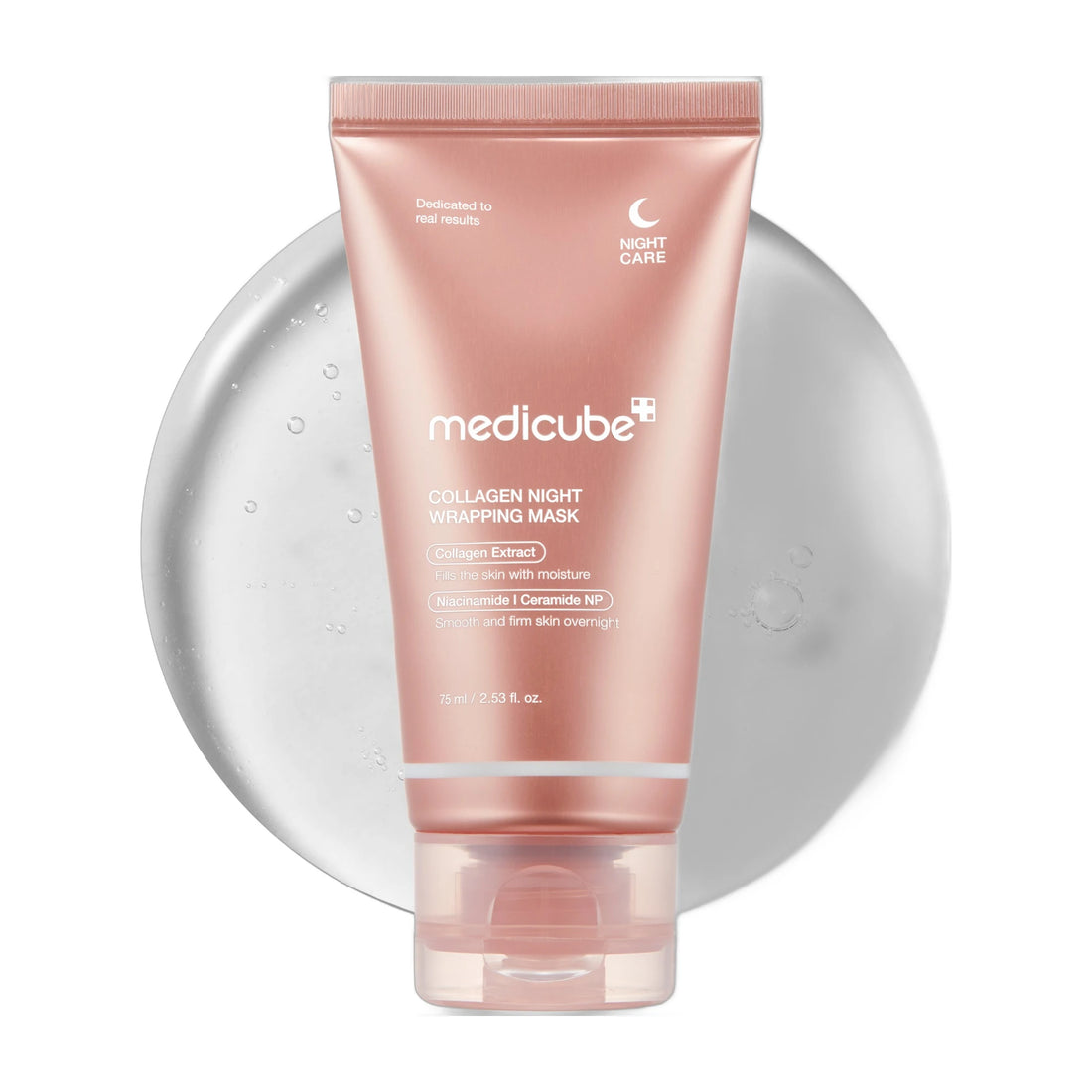
 Vendor:Collagen Night Wrapping Maskmedicube
- Regular price
-
CHF 14.61 - Sale price
-
CHF 14.61 - Translation missing: en.products.product.price.compare_at_price
-
instead of
CHF 23.90
-
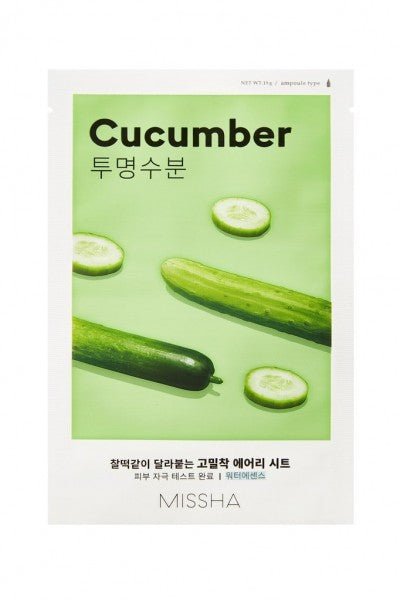
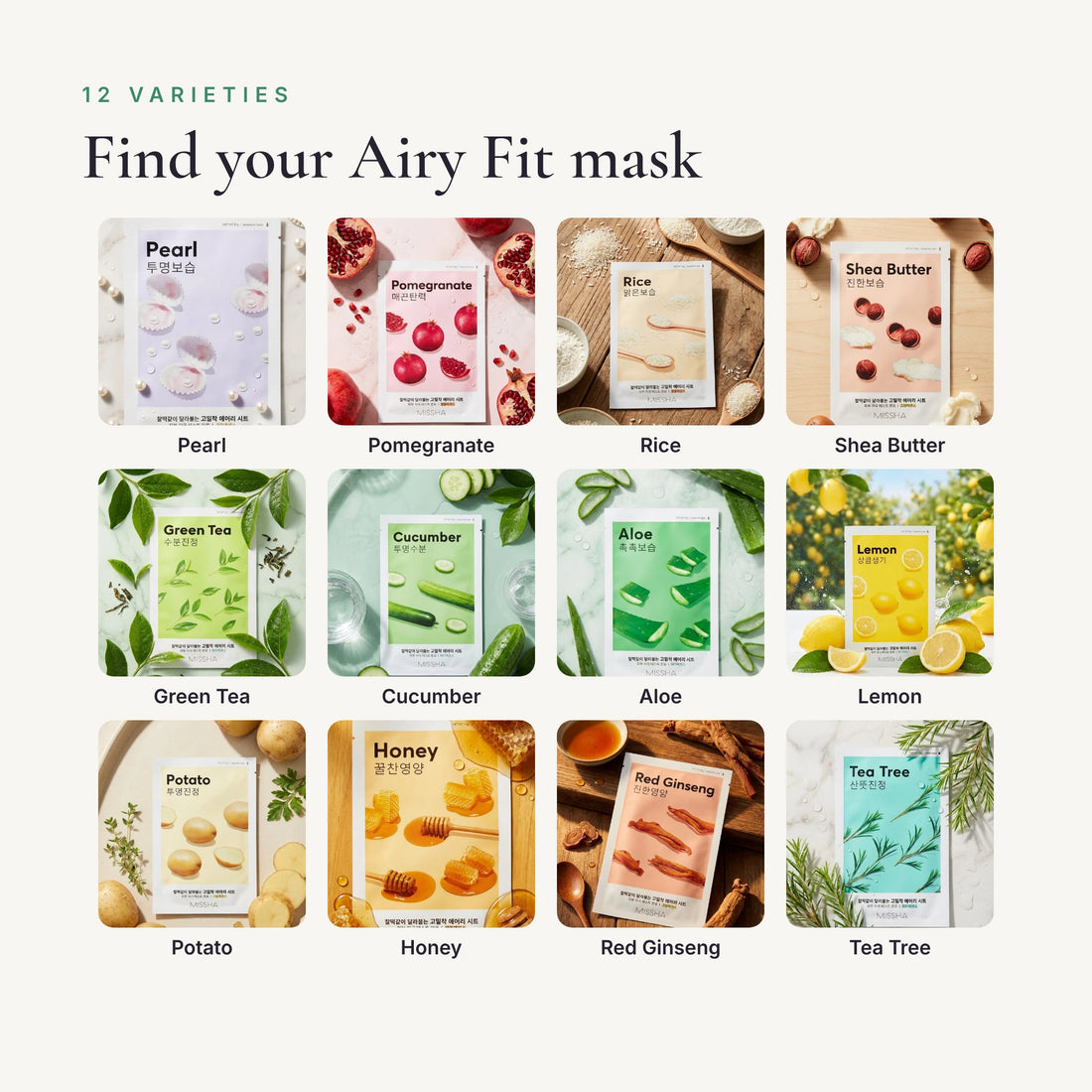
Airy Fit Sheet Masks - All Variations
 Vendor:Airy Fit Sheet Masks - All VariationsMISSHA
- Regular price
-
From
CHF 1.20 - Sale price
-
From
CHF 1.20 - Translation missing: en.products.product.price.compare_at_price
-
instead of
CHF 1.90


Read more on our blog
See also
- CeramidesCeramides are the skin’s own lipids that sit between skin cells like mortar. They keep the skin barrier int...→
- UreaUrea is one of the skin’s natural moisturising factors. At low concentrations it binds moisture, at higher ...→
- SqualaneSqualane is a lightweight, skin-identical oil that prevents moisture loss and keeps the skin supple. It is ...→
- MoisturiserA moisturiser locks moisture into the skin, strengthens the skin barrier and completes your routine. Depend...→
- Hyaluronic AcidHyaluronic acid is the body’s own moisture reservoir and can bind large amounts of water. In skincare it pl...→
- PanthenolPanthenol is the precursor of vitamin B5. It hydrates, calms irritated skin and supports the regeneration o...→
Dry Skin in your routine
Discover all 1139 products in «Dryness» – 100% authentic, shipped from Lucerne.