

Exosomes
Also known as: Exosome, Exosomen
Exosomes are tiny vesicles that cells use to exchange messenger substances. In cosmetics they usually come from plants or fermentation and are meant to support regeneration and skin texture – but the research is still in its early days.
Contents
What are exosomes?
Exosomes are tiny membrane-bound vesicles that cells release into their surroundings. They carry proteins, lipids and RNA and act as a kind of messaging system between cells. In aesthetic medicine, exosomes are used after microneedling, for example. In Korea, they have also been a big trend in serums and ampoules for several years.
Where do exosomes in cosmetics come from?
- plant exosomes, often called “exosome-like vesicles”, e.g. from centella, roses, rice or ginseng
- exosomes from fermentation, for example from lactic acid bacteria
- exosomes of human origin are not allowed in cosmetics in the EU and Switzerland, as cells, tissues and products of human origin are banned there.
How do exosomes work on the skin?
- Regeneration: the messenger substances they contain are meant to support skin renewal.
- Soothing: plant exosomes, e.g. from centella, have a calming effect.
- Glow and evenness: many products promise smoother texture and finer-looking pores.
Good to know: many of these effects have so far been shown mainly in the lab. Part of the visible result often comes from other ingredients, such as PDRN, peptides or spicules.
Exosome shots with spicules
Many Korean “exosome shots” also contain spicules – fine, needle-like particles from marine sponges. They create a noticeable tingle and are meant to help actives absorb. The number in the product name (e.g. 2000 or 7500) usually indicates the spicule concentration: the higher, the more intense.
- Start with a low concentration and use spicule products 2 to 3 evenings a week.
- Don’t use them on the same evening as retinol or strong acids such as AHA.
- Don’t apply them to broken, inflamed or freshly shaved skin.
How to use exosomes
- Apply an exosome serum or ampoule after cleansing and toner.
- Products without spicules can be used daily; those with spicules are best used in the evening only and not every day.
- Follow with a soothing moisturiser and wear sunscreen during the day.
Exosomes in Korean skincare
From our range: the GROW:TURN Exosome Brush Ampoule and the Grow:Turn Exosome Spicule Ampoule 3000 by lilyeve, the One Day Exosome Shot Pore Ampoule, the PDRN Pink Collagen Exosome Shot Serum and the Azelaic Acid Exosome Shot by medicube, and the PDRN EXOSOME Skinplaning Glaze Mask by COSRX. You’ll find them all in our exosome skincare collection.
What does the research say?
Exosomes are being researched intensively in dermatology, for example for wound healing and after aesthetic treatments. Most results so far come from cell and animal studies. Large clinical studies on cosmetic products with plant exosomes are still lacking. Exosomes are therefore an exciting but still young ingredient.
Frequently asked questions
Are exosomes in cosmetics safe?
What is the difference between exosomes and PDRN?
How often can I use an exosome shot?
Popular products
-
GROW:TURN Exosome Brush Ampoule
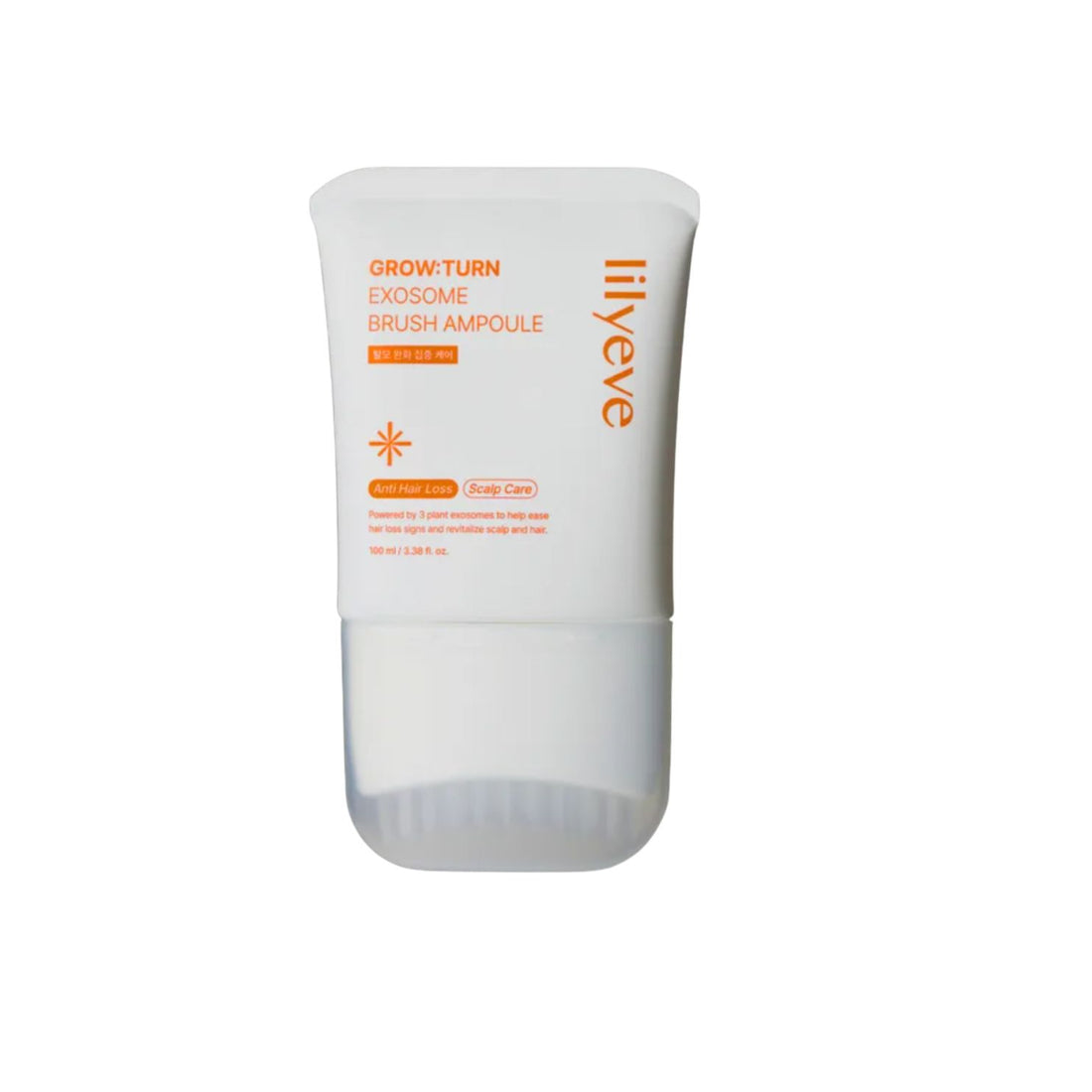
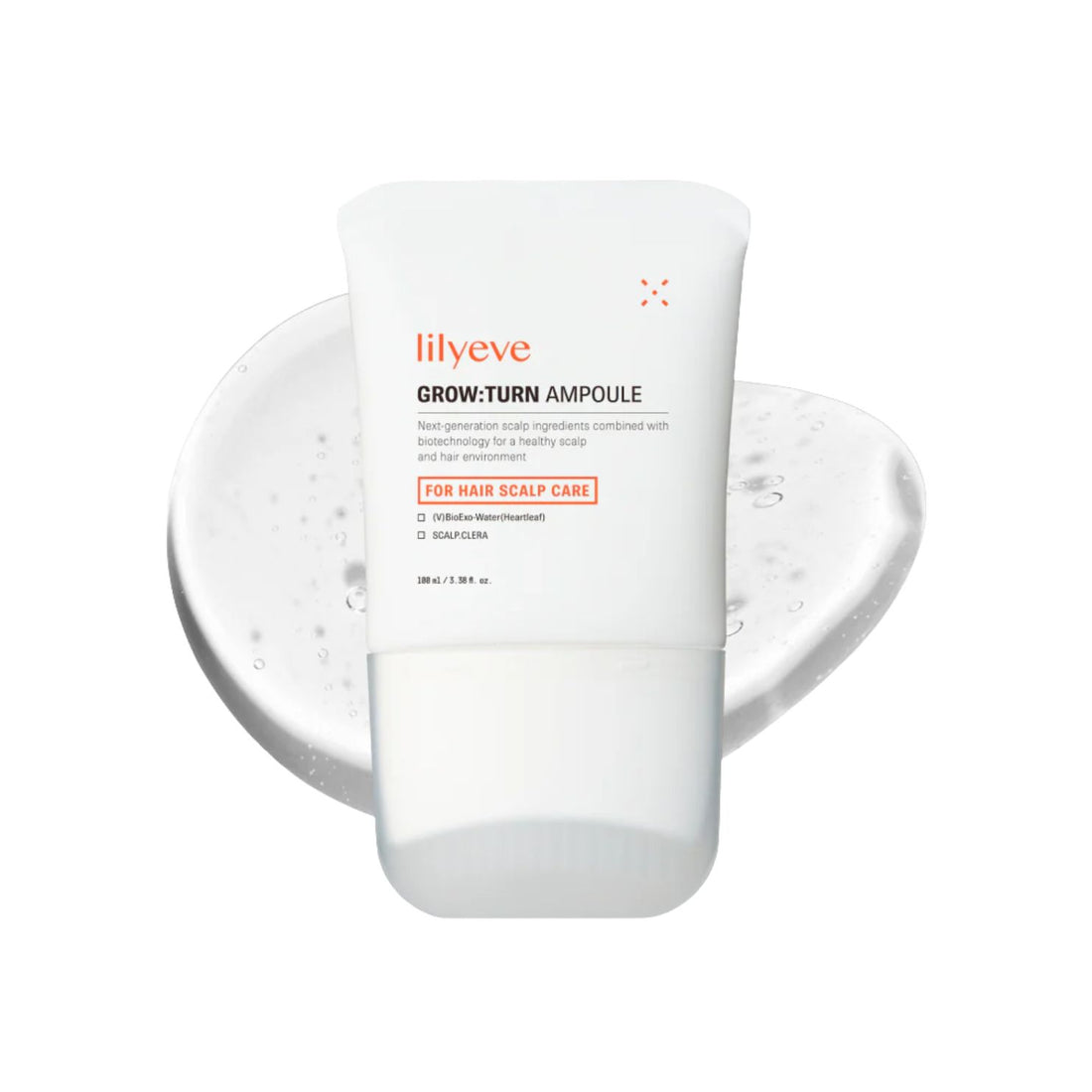 Vendor:GROW:TURN Exosome Brush Ampoulelilyeve
- Regular price
-
CHF 20.67 - Sale price
-
CHF 20.67 - Translation missing: en.products.product.price.compare_at_price
-
instead of
CHF 37.60
-
One Day Exosome Shot Pore Ampoule 2000
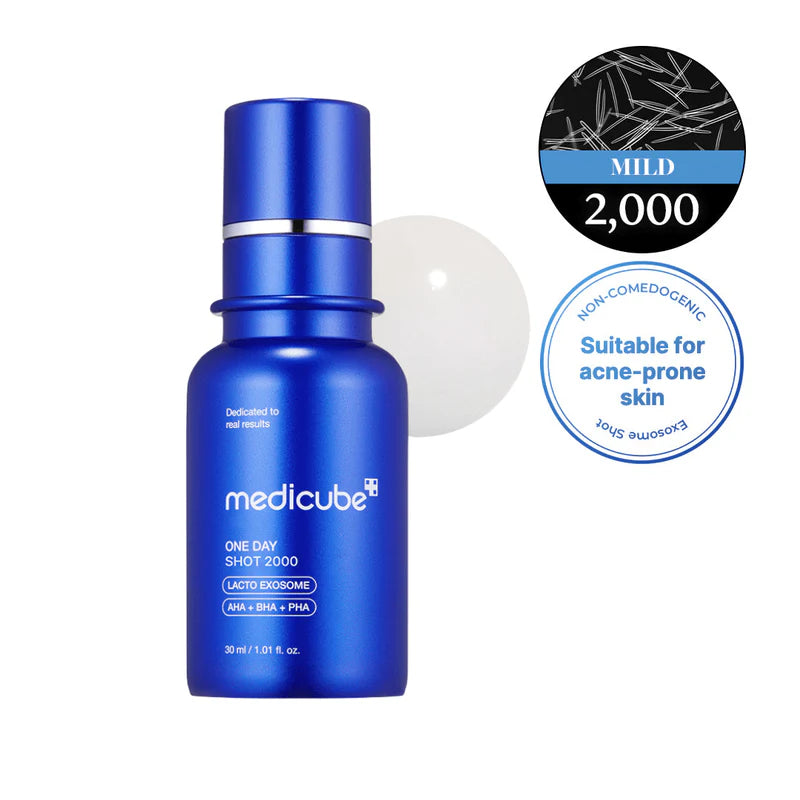
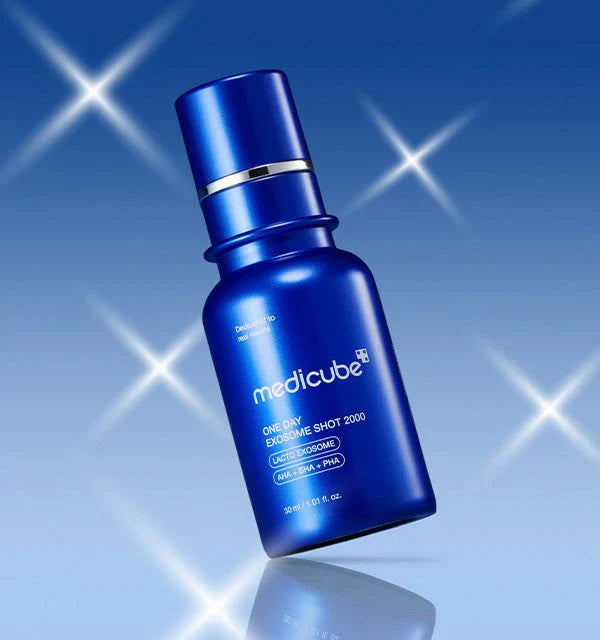 Vendor:One Day Exosome Shot Pore Ampoule 2000medicube
- Regular price
-
CHF 19.01 - Sale price
-
CHF 19.01 - Translation missing: en.products.product.price.compare_at_price
-
instead of
CHF 24.00
-
PDRN Pink Collagen Exosome Shot Serum 7500
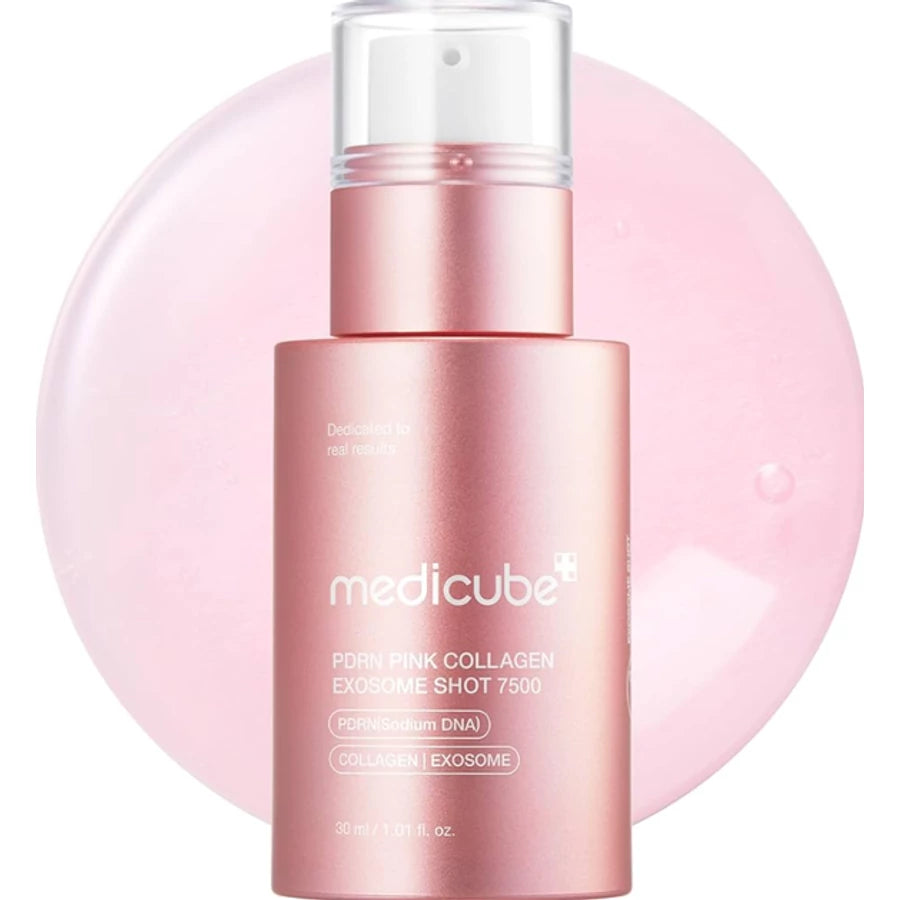
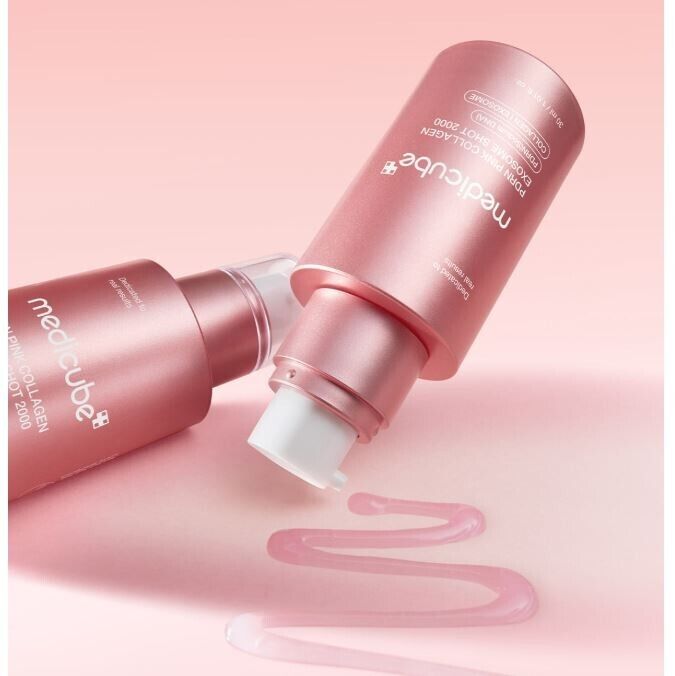 Vendor:PDRN Pink Collagen Exosome Shot Serum 7500medicube
- Regular price
-
CHF 20.67 - Sale price
-
CHF 20.67 - Translation missing: en.products.product.price.compare_at_price
-
instead of
CHF 25.90
-
PDRN EXOSOME Skinplaning Glaze Mask
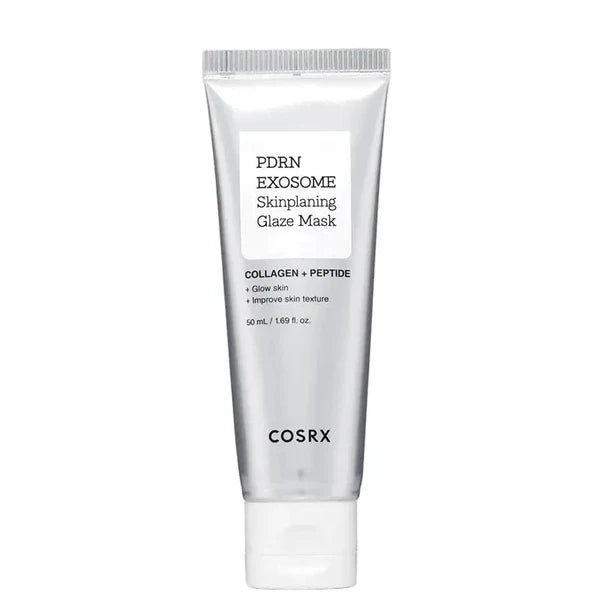
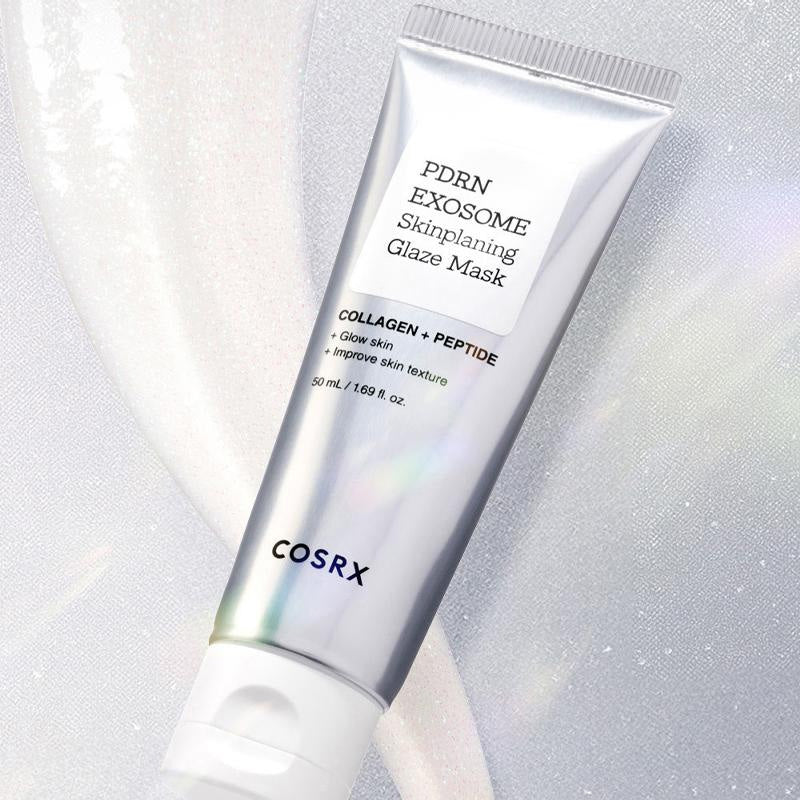 Vendor:PDRN EXOSOME Skinplaning Glaze MaskCOSRX
- Regular price
-
CHF 16.52 - Sale price
-
CHF 16.52 - Translation missing: en.products.product.price.compare_at_price
-
instead of
CHF 25.90
-
Azelaic Acid Exosome Shot 7500
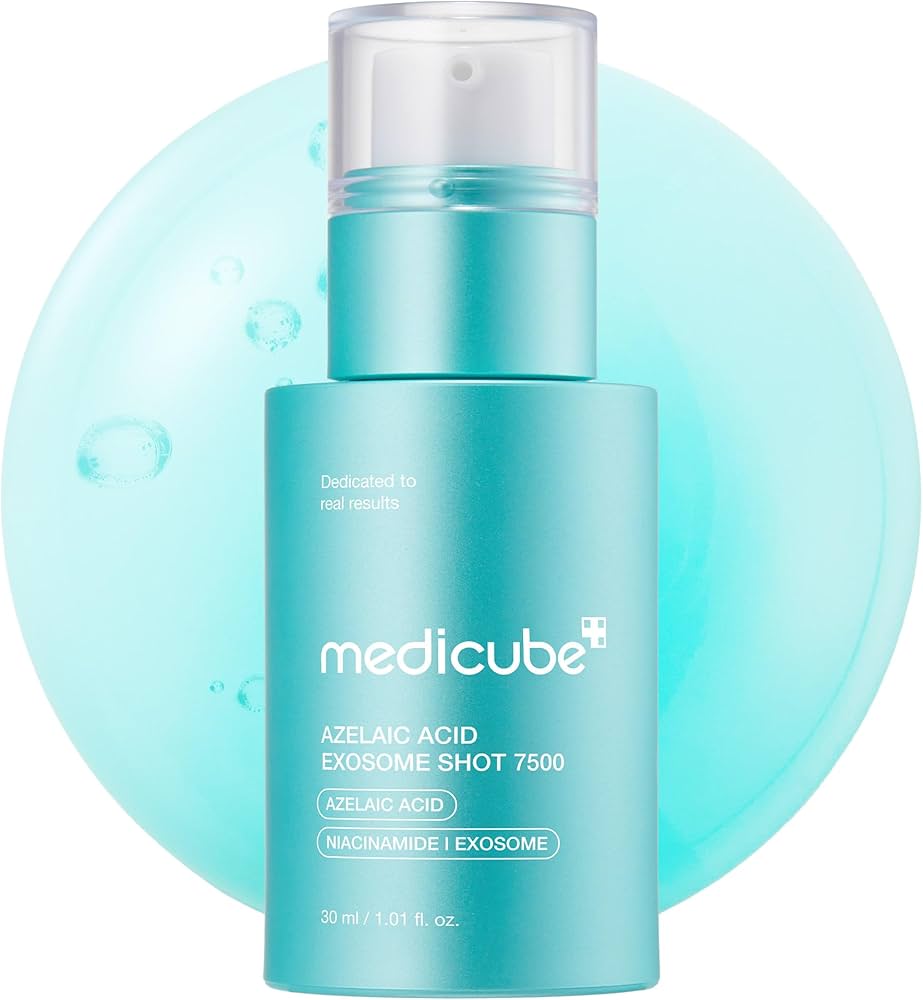
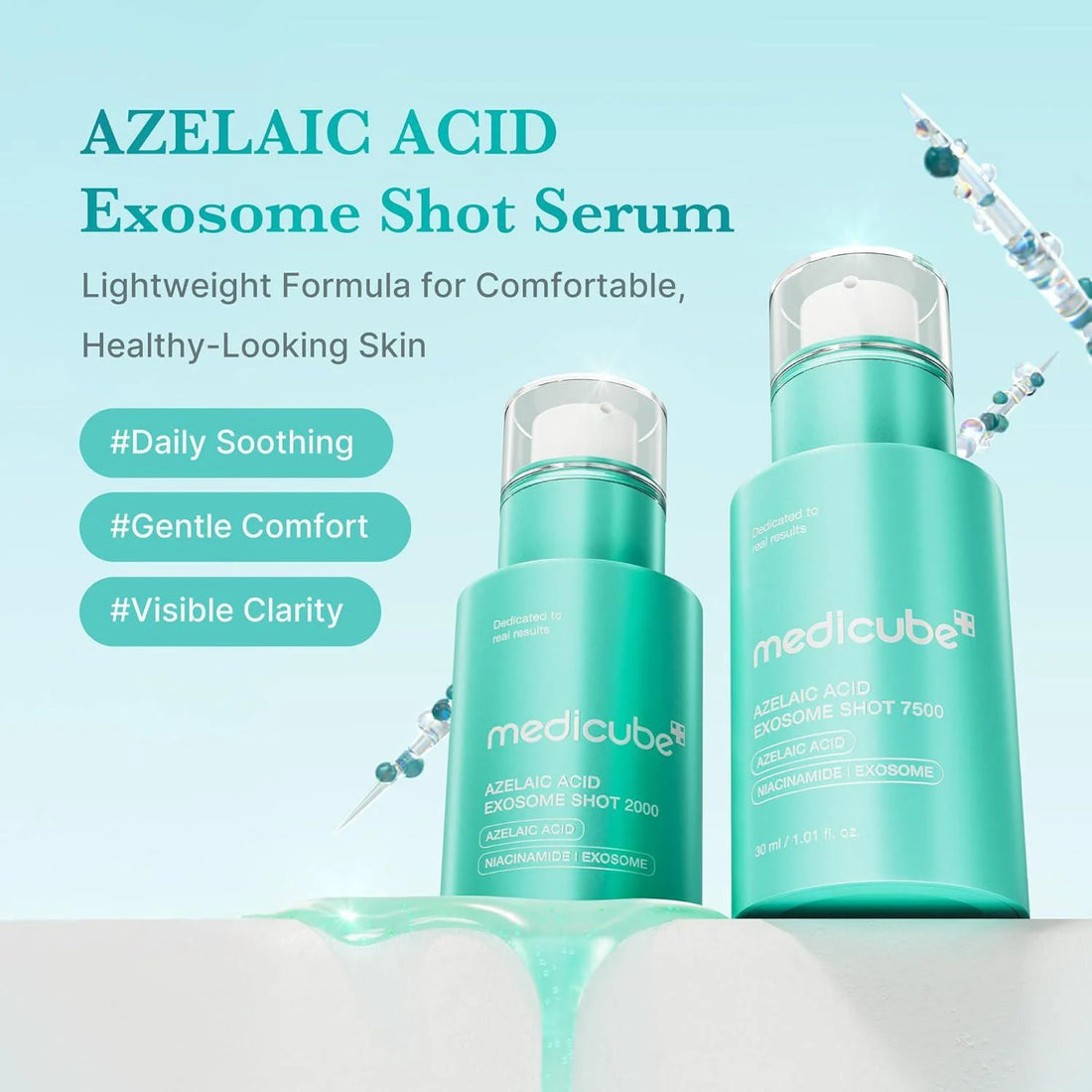 Vendor:Azelaic Acid Exosome Shot 7500medicube
- Regular price
-
CHF 22.33 - Sale price
-
CHF 22.33 - Translation missing: en.products.product.price.compare_at_price
-
instead of
CHF 29.90
-
Grow:Turn Exosome Spicule Ampoule 3000
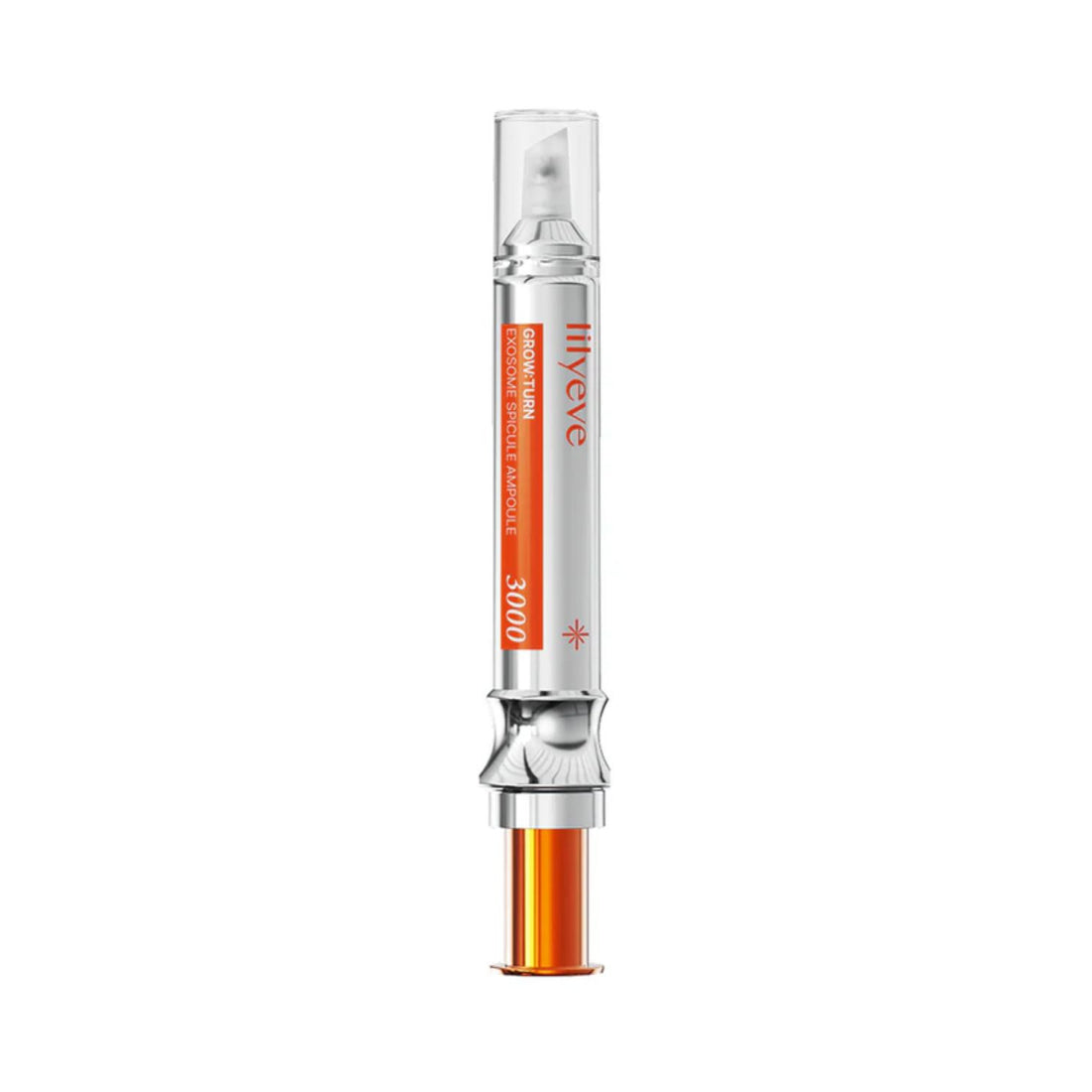
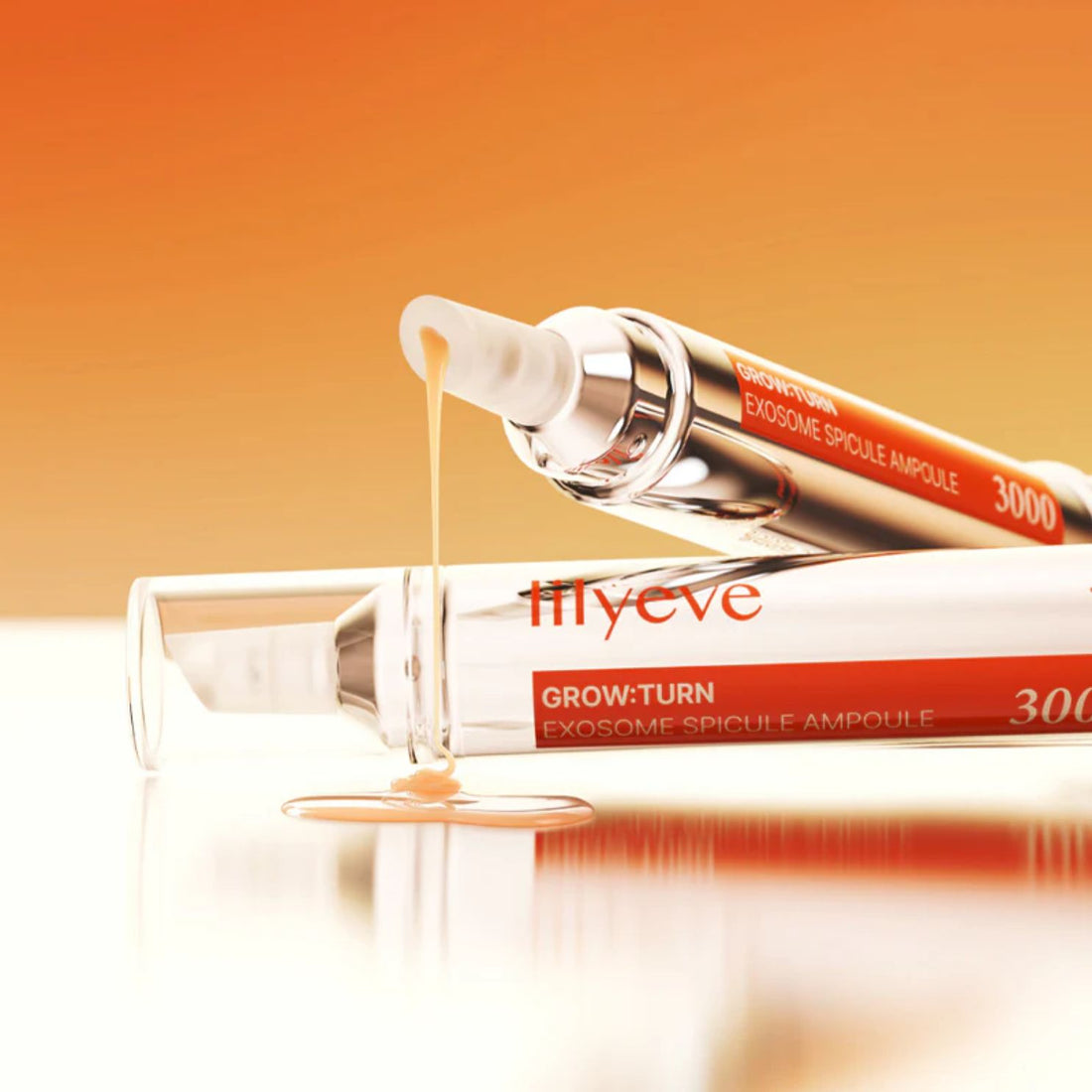 Vendor:Grow:Turn Exosome Spicule Ampoule 3000lilyeve
- Regular price
-
CHF 24.73 - Sale price
-
CHF 24.73 - Translation missing: en.products.product.price.compare_at_price
-
instead of
CHF 38.70
-
One Day Exosome Shot Pore Ampoule 7500
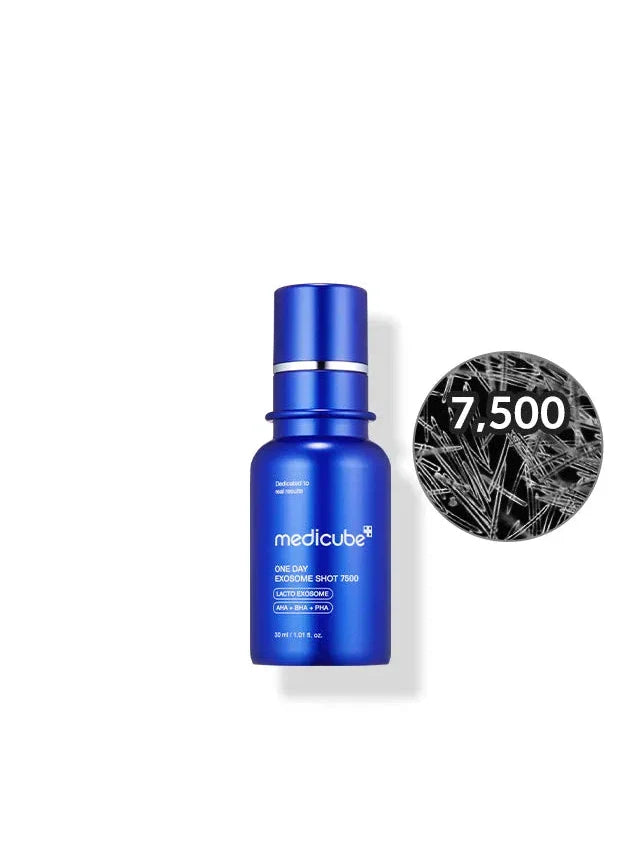
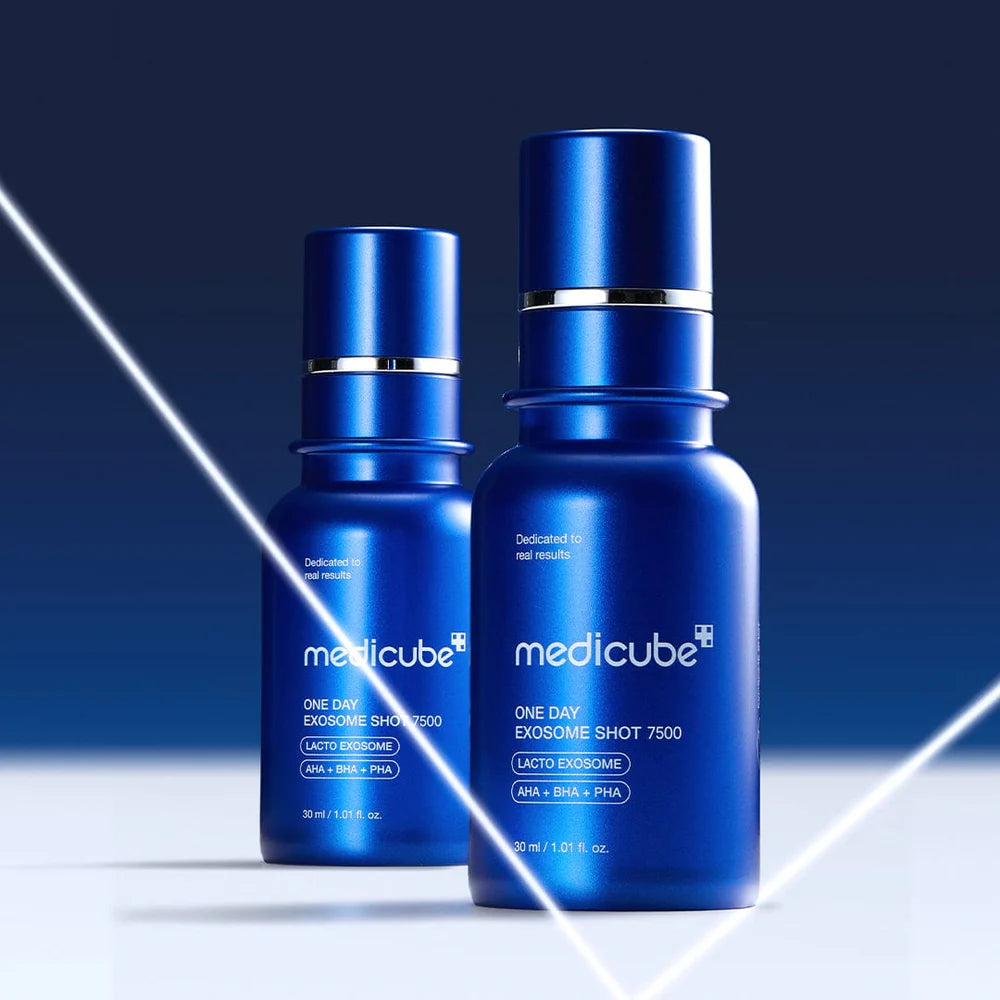 Vendor:One Day Exosome Shot Pore Ampoule 7500medicube
- Regular price
-
CHF 22.33 - Sale price
-
CHF 22.33 - Translation missing: en.products.product.price.compare_at_price
-
instead of
CHF 29.90
-
Zero Pore SA Clear Capsule Cleansing Foam
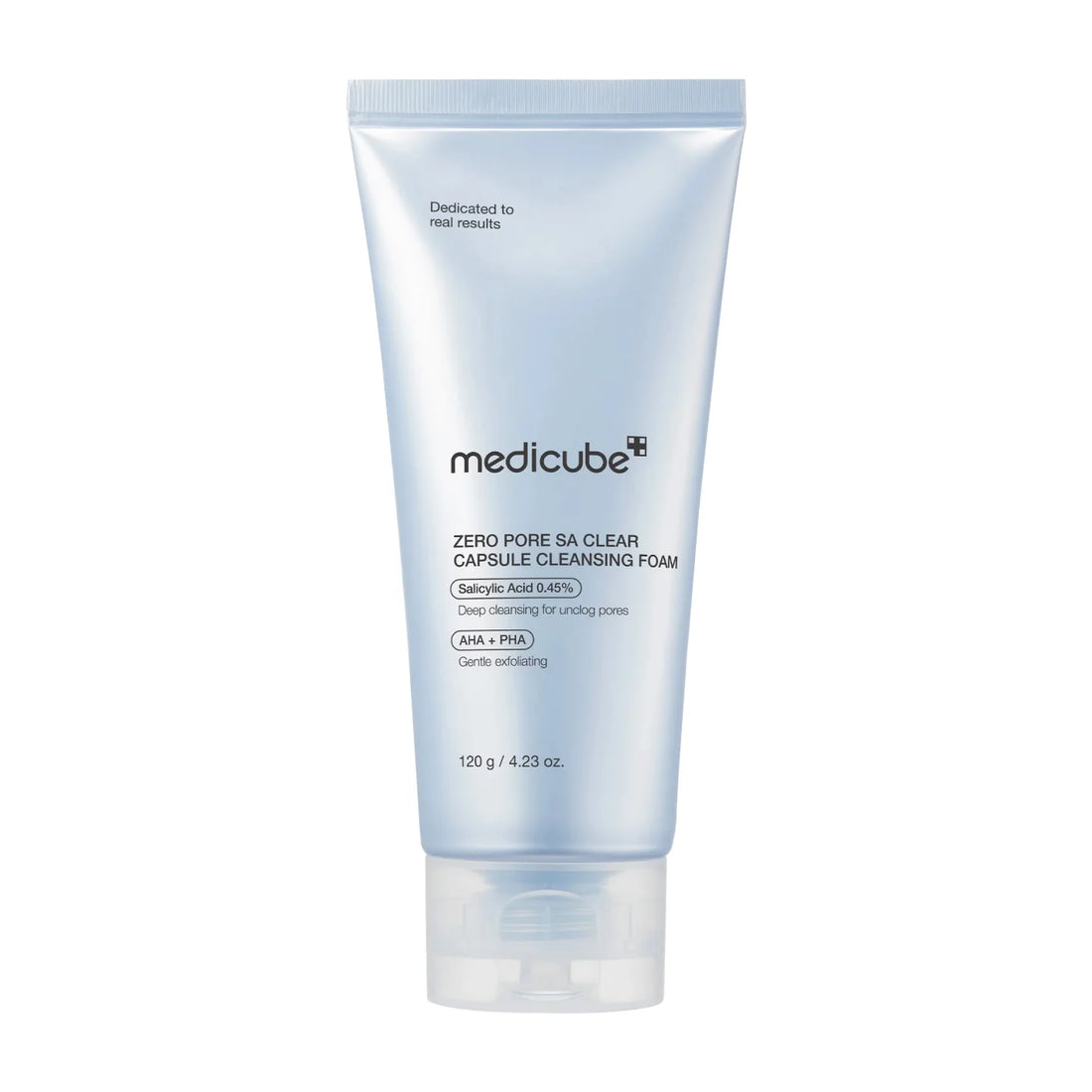
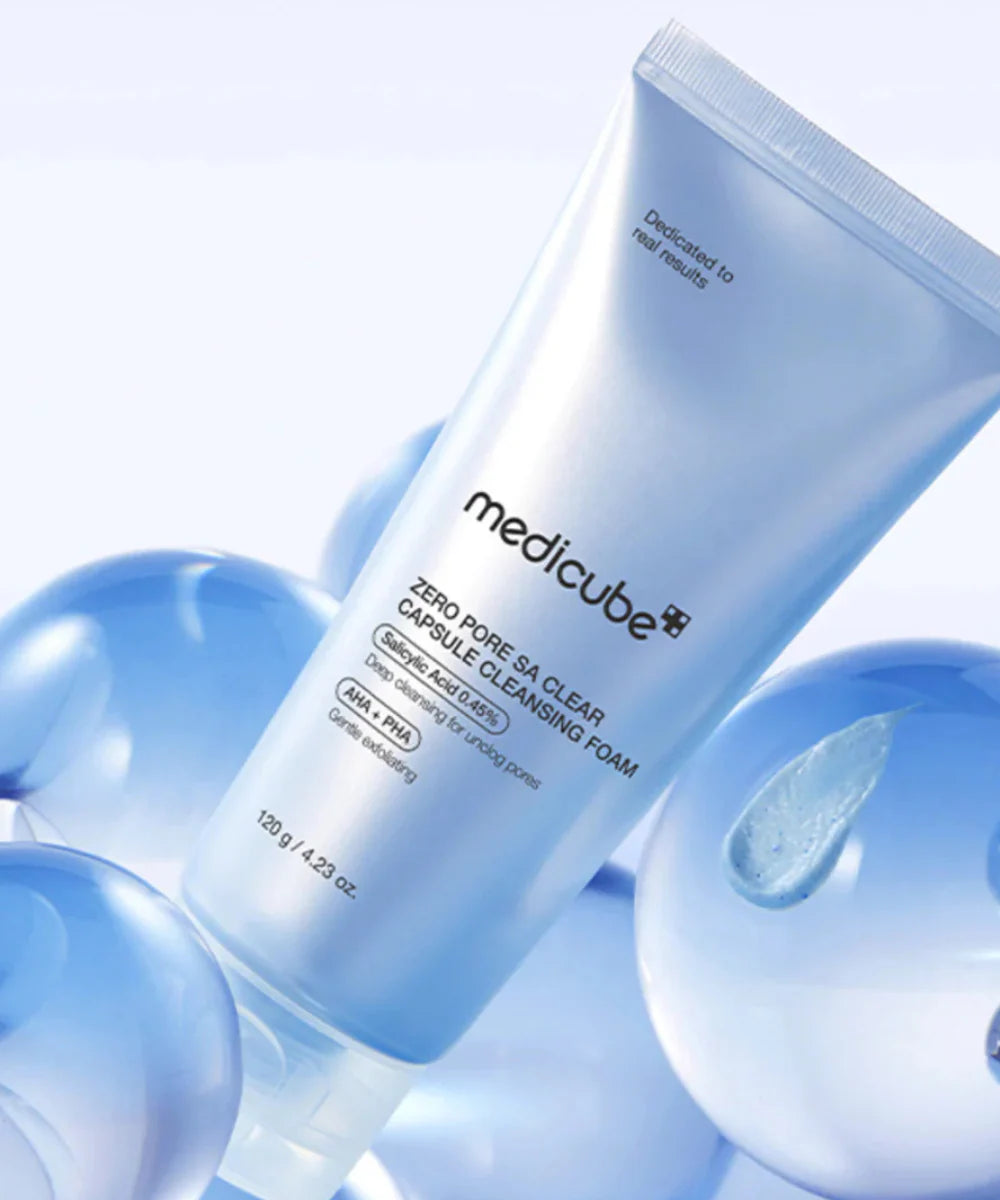 Vendor:Zero Pore SA Clear Capsule Cleansing Foammedicube
- Regular price
-
CHF 14.03 - Sale price
-
CHF 14.03 - Translation missing: en.products.product.price.compare_at_price
-
instead of
CHF 25.90
See also
- PDRNPDRN stands for polydeoxyribonucleotide – short DNA fragments, usually from salmon or plants. Originally fr...→
- PeptidesPeptides are short chains of amino acids – the building blocks of proteins such as collagen and elastin. In...→
- NAD+NAD+ is a coenzyme every skin cell needs for energy and repair. Its levels fall with age. Korean anti-agein...→
- Centella AsiaticaCentella Asiatica, known in Korea as “cica”, is a medicinal plant from Asia. In skincare it calms red, irri...→
Exosomes in your routine
Discover all 32 products in «Korean Exosome Skincare» – 100% authentic, shipped from Lucerne.